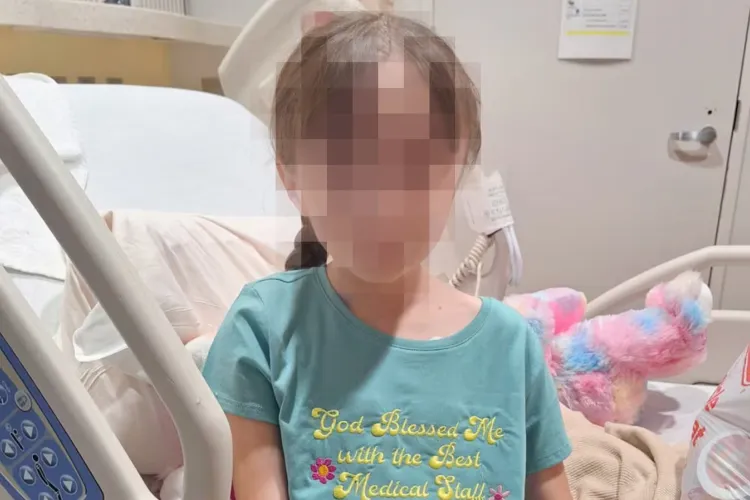

Sara Hernández García, an 11-year-old U.S. citizen born in Texas and battling brain cancer, is now living in rural Mexico after her parents were deported earlier this year under President Donald Trump’s renewed immigration enforcement efforts.
For years, Sara’s family of eight had been able to travel freely within Texas while she received treatment for a brain tumor, according to their legal team. Her parents, who entered the U.S. illegally, had repeatedly been allowed through immigration checkpoints after presenting letters from doctors confirming Sara’s critical condition.
But in February 2025, weeks after President Trump returned to office and ordered stricter enforcement of immigration laws, that changed.
According to Danny Woodward of the Texas Civil Rights Project, the family — identified by pseudonyms for their safety — was stopped at a South Texas checkpoint while en route to Houston for a medical emergency. Despite explaining the situation, border agents gave them two choices: allow their children to be taken into government custody or leave the country as a family.
:max_bytes(150000):strip_icc():focal(574x0:576x2):format(webp)/family-photo-Texas-Civ-Rights-Project-072225-d1e21183c8354fd4be8e769aaece2f8c.jpg)
They chose to stay together. The parents and five of their children were deported the following day. Their sixth child, now 18, remains in the U.S. alone.
“We speak to my son every day, but he’s by himself,” said María, Sara’s 41-year-old mother. “Not being able to hug him or protect him — that fear grows every day.”
The family is currently staying with relatives in rural Mexico while hoping for a chance at humanitarian parole. But their attorneys say they remain fearful for their children’s safety, especially because Sara and her siblings are U.S. citizens and could be targeted for kidnapping.
A Homeland Security official has disputed aspects of the family’s account, calling it “inaccurate,” though citing privacy rules in declining to provide further details. The official maintained that individuals with removal orders who ignore them will face consequences under expedited removal procedures.
The Trump administration has stood firm on its immigration stance, saying enforcement is necessary to uphold the law — a policy now drawing criticism from some corners as affecting families and vulnerable individuals unexpectedly.
Sara underwent surgery in 2024, but her mother says she still struggles with daily headaches, dizziness, and numbness in her right arm. Despite it all, María says her daughter remains grateful to be alive.
“When she wakes up, the first thing she does is thank God for another day,” María shared. “Every day she asks me, ‘Am I going to die?’ And I have to tell her this is just a hard moment, that her treatments and tests will come soon.”