
Police said protesters at the Microsoft Campus used tables and chairs stolen from local vendors to build barricades on a pedestrian bridge during a demonstration earlier this week.
Authorities confirmed that 18 people were arrested on August 20 at the Redmond campus on multiple charges. In a post on X, the Redmond Police Department wrote that officers responded around 12:15 p.m. to a large gathering of demonstrators in the courtyard.
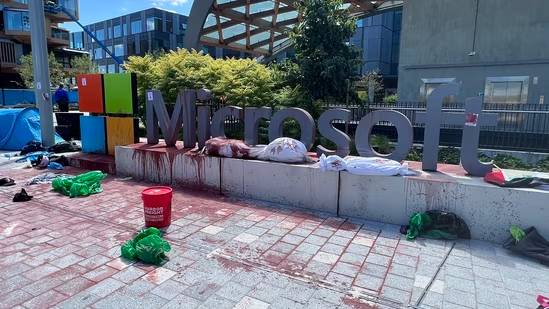
When officers first attempted to disperse the crowd, protesters resisted and turned aggressive, police said. Some poured red paint over a Microsoft sign and onto the ground.
According to officials, others blocked a pedestrian bridge with stolen furniture, using the items as makeshift barricades.
“Officers took 18 into custody for multiple charges, including trespassing, malicious mischief, resisting arrest, and obstruction. No injuries were reported,” the department stated.
In a statement shared with Bloomberg, Microsoft condemned the vandalism: “Today, the group returned and engaged in vandalism and property damage. They also disrupted, harassed, and took tables and tents from local small businesses at a lunchtime farmer’s market for employees.”
The company added, “Microsoft deeply appreciates and supports the actions of local law enforcement officers and the Redmond Police Department.”
Why were employees protesting?
According to Bloomberg, the protest was organized by a group called No Azure for Apartheid, which is urging Microsoft to end its business ties with Israel. The group claims the company’s technology is contributing to deaths in Gaza.
In response, Microsoft has pushed back on those allegations. In a May blog post, the company said it had “found no evidence to date that Microsoft’s Azure and AI technologies have been used to target or harm people in the conflict in Gaza.”
The company reiterated in a recent statement that it remains committed to its human rights standards and contractual obligations “including in the Middle East.”