
A group of abused and abandoned immigrant youth filed a federal class action lawsuit against the Trump administration, challenging the abrupt cancellation of a program that shielded them from deportation and allowed them to legally work while awaiting green cards.
The lawsuit, filed in the Eastern District of New York, accuses the Department of Homeland Security of unlawfully rescinding a Biden-era policy that granted “deferred action” to minors who qualified for Special Immigrant Juvenile Status (SIJS)—a classification designed to protect immigrant children who have been abused, neglected, or abandoned.
The plaintiffs—several SIJS-eligible children and immigrant advocacy organizations—are seeking a court injunction to reverse what they call an “unreasoned and unlawful” policy shift that has left thousands of vulnerable children at risk of deportation and unable to work or pursue an education.
“This is a case about broken promises with devastating consequences,” said lead attorney Rachel Davidson. “These children have already survived unimaginable trauma—and now the very government that promised to protect them is abandoning them.”
The deferred action policy, introduced by the Biden administration in 2022, granted temporary deportation relief and work authorization to SIJS youth while they waited—often for years—for green card availability. With deferred action, these young people could obtain driver’s licenses, bank accounts, and Social Security numbers.
But in April, immigration advocates noticed something was wrong. Deferred action notices, once standard, suddenly disappeared from USCIS paperwork—without explanation. For nearly two months, advocates say, there was total silence from the government.
That changed on June 6, when U.S. Citizenship and Immigration Services (USCIS) formally announced it was ending automatic deferred action protections for SIJS recipients.
According to the lawsuit, this sudden reversal—executed without public notice or input—violated the Administrative Procedure Act (APA), which requires federal agencies to follow certain procedures when changing rules. Plaintiffs also argue the change was “arbitrary and capricious,” a legal standard for government actions lacking justification or process.
The consequences of the decision, they argue, are enormous. Without deferred action, young people who have been granted SIJS by state courts and found to be unsafe in their home countries are once again vulnerable to deportation.
“These young survivors of abuse and neglect have built lives here based on promises made by federal agencies,” the complaint states. “Now, that protection is being stripped away with little explanation or concern for the harm being caused.”
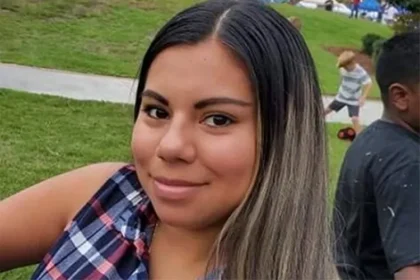
One plaintiff, identified as A.C.R., expressed fear about what the rollback means for her future: “My dream is to become an astronaut. Without deferred action, I can’t attend school or work toward my goal. Instead, I’m living in fear of being deported.”
Nonprofit organizations supporting these youth say the policy change has already strained their resources. A Long Island-based group said it has been forced to scale back the number of clients it serves and reduce support services. A California law clinic warned of an expected surge in deportation defense cases.
The plaintiffs argue the administration violated a long-standing legal principle established by the Supreme Court in 1954 that requires agencies to follow their own rules until those rules are formally changed.
They are asking the court to halt the rollback and restore deferred action protections for all SIJS beneficiaries.
“This isn’t just a policy dispute,” Davidson added. “It’s about the lives of children who were promised safety and opportunity—and are now facing uncertainty, fear, and the real risk of being sent back to dangerous situations they barely escaped.”