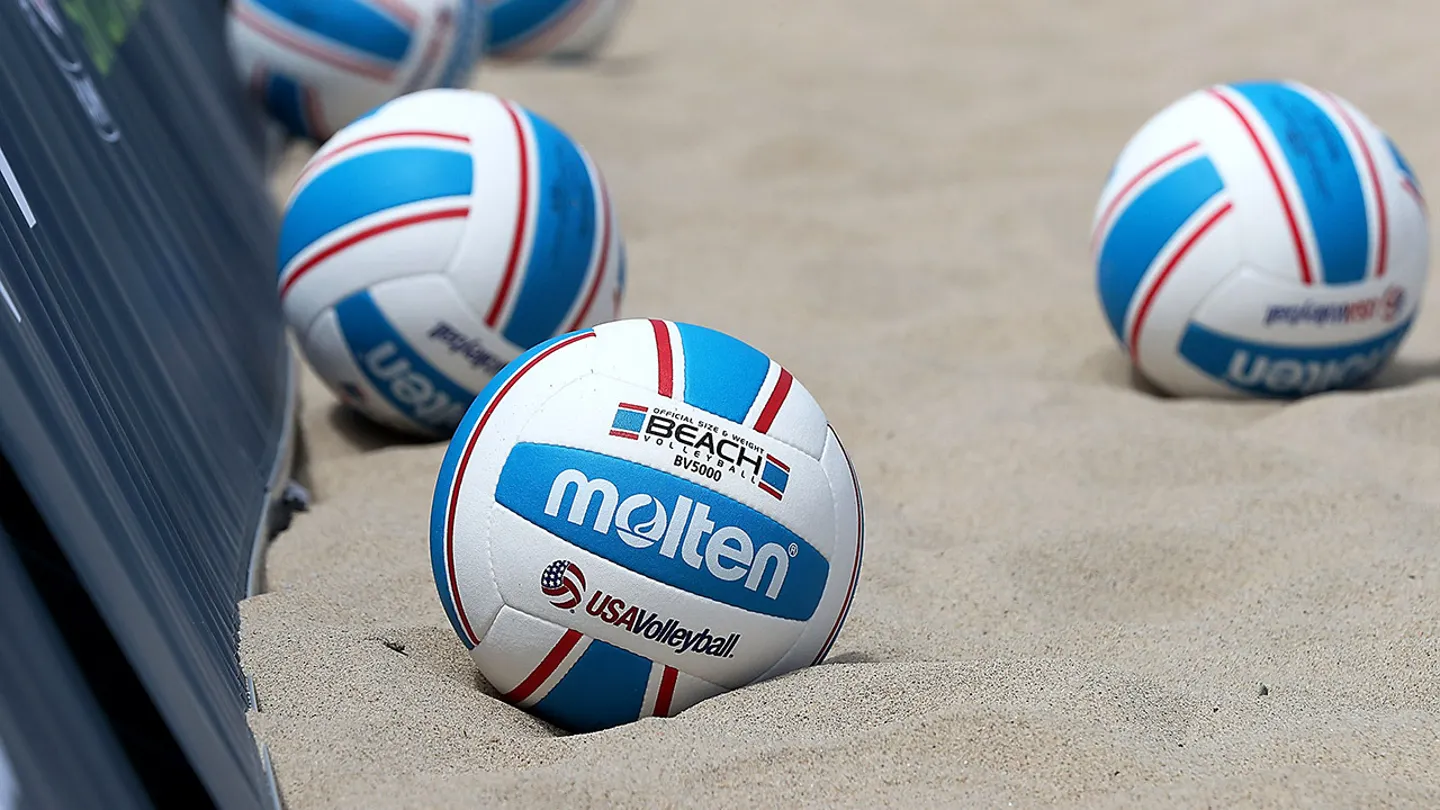

USA Volleyball (USAV) has officially updated its gender eligibility policy to comply with President Donald Trump’s executive order aimed at restricting transgender participation in girls’ and women’s sports.
The updated policy, now in effect, mandates that all USAV members “are expected to participate or compete in all USAV-sanctioned events or activities as a member of the gender assigned at birth as listed on their birth certificate.”
The change comes in direct response to newly issued guidance from the U.S. Olympic and Paralympic Committee (USOPC), which now requires all national sports governing bodies to align their rules with the president’s directive.
“As a federally chartered organization, we have an obligation to comply with federal expectations,” wrote USOPC CEO Sarah Hirshland and President Gene Sykes in a letter to governing bodies. “Our revised policy emphasizes the importance of ensuring fair and safe competition environments for women.”
Earlier this week, USA Fencing became one of the first organizations to update its rules. USAV followed suit on Thursday, stating the update ensures it is “in compliance” with federal law.
Previously, USAV allowed transgender athletes to compete under specific conditions. For the 2024–2025 season, transgender athletes could participate if they notified the organization six weeks in advance, submitted a written request, provided documentation from a medical professional, and, for those over age 13, supplied lab reports confirming testosterone levels fell within accepted limits. For adult athletes, levels had to remain under 10 nmol/L for at least one year prior to competition.
That policy has now been eliminated in favor of a stricter rule: eligibility is solely based on the gender listed at birth. The change applies to all USAV-sanctioned events across the country.
President Trump signed the “Keeping Men Out of Women’s Sports” executive order on February 5. Since then, multiple organizations and over two dozen states have moved to enact similar restrictions. The NCAA was among the first to respond, issuing its updated policy one day after the order was signed.
The University of Pennsylvania has also revised its guidelines following a months-long internal review. More updates from other institutions and athletic bodies are expected in the coming weeks as compliance measures continue to roll out nationwide.