
Republican divisions over the Jeffrey Epstein case are intensifying, with GOP lawmakers split on how aggressively to pursue transparency and how to handle growing public interest in the still-unreleased files. The Trump administration, meanwhile, is attempting to shift attention elsewhere—focusing on the 2016 election and political adversaries—as scrutiny around the Epstein case builds.
Tensions escalated last week when a Republican-led House Oversight subcommittee voted to subpoena the Department of Justice for Epstein-related documents. Separately, House Oversight Chair James Comer issued a subpoena for a deposition from Epstein’s longtime associate, Ghislaine Maxwell, who is currently serving a 20-year sentence for sex trafficking minors. Maxwell reportedly met twice last week with Deputy Attorney General Todd Blanche for questioning.
The developments come amid internal GOP frustration and conflicting messages on how to manage public demands for transparency.
Republicans Demand Clarity — and Blame
Rep. Eric Burlison (R-MO) criticized the Trump administration’s handling of expectations around the case, calling it a “political mistake” to suggest major revelations were imminent.
“There were some false expectations that were created… and that’s a misstep,” Burlison told CNN. He added that a significant share of constituent calls to his office lately have focused on the Epstein files, with voters expressing concern that key details are being withheld.
With lawmakers now home for August recess, pressure from constituents is expected to intensify.
Rep. Mike Kennedy (R-UT), a physician by profession, didn’t mince words in describing the situation.
“These files are like a festering, pus-filled wound,” Kennedy said Friday. “Let it out. If we don’t deal with this properly, it’ll only get worse.”
Kennedy said he would support the immediate release of the files—provided the identities of Epstein’s victims are protected.
Push to Override House Leadership
Reps. Thomas Massie (R-KY) and Ro Khanna (D-CA) are leading a bipartisan push to sidestep House Speaker Mike Johnson and force a floor vote on legislation to release the Epstein documents. Their strategy relies on a discharge petition, which would require support from a majority of House members to bypass Johnson’s control.
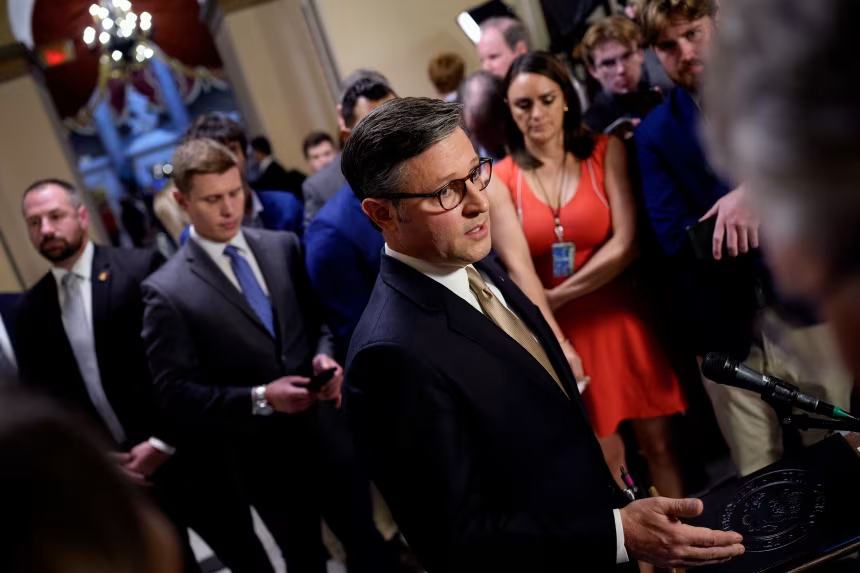
Speaker Johnson has insisted that Republicans are committed to transparency but criticized Massie and Khanna’s bill as “reckless,” arguing that it lacks sufficient safeguards for victim anonymity.
“Let me be absolutely clear,” Johnson said on NBC’s Meet the Press. “We have insisted from the beginning on full release of credible Epstein-related information. But we will not endanger victims in the process.”
Johnson also rejected claims that the House’s early adjournment for August recess was timed to avoid the discharge petition, stating that it wouldn’t “ripen” until after lawmakers had already left town.
Legal Limits and Judicial Roadblocks
Sen. Markwayne Mullin (R-OK) emphasized that Congress has limited authority over the release of certain Epstein documents—particularly those tied to grand jury proceedings.
“Congress can’t force the judiciary to act,” Mullin told CNN’s Jake Tapper. “Only judges can decide whether to release grand jury evidence.”
Mullin noted that a federal judge in Florida recently declined to release additional grand jury materials, despite calls from Attorney General Pam Bondi, President Trump, and Congress.
However, legal experts and lawmakers have pointed out that grand jury testimony represents only a fraction of the Epstein records. Thousands of other documents—many already in DOJ custody—are not protected under grand jury rules and could be released at the department’s discretion.
Federal judges have already unsealed hundreds of documents related to the Epstein case. Most of the files still under seal are being withheld to protect the privacy of victims or individuals not charged with crimes.
Trump Deflects, Blames Political Enemies
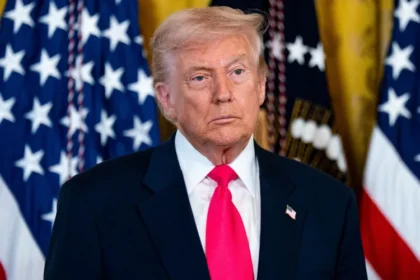
President Trump, currently in Scotland for a five-day trip, has tried to shift the conversation away from Epstein. Over the weekend, he announced a preliminary trade framework between the United States and the European Union, reached after talks with European Commission President Ursula von der Leyen.
Asked at a press conference whether the announcement was meant to distract from the Epstein fallout, Trump shot back: “You’ve got to be kidding me. No. It had nothing to do with it.”
Though Trump has publicly claimed little knowledge of the case, CNN previously reported that Attorney General Bondi briefed him in May that his name appears in some of the files.
Over the weekend, the president intensified his rhetoric online, calling—without evidence—for the prosecution of former Vice President Kamala Harris and several celebrities, including Beyoncé and Oprah Winfrey. Trump accused them of receiving illegal payments in exchange for endorsing Democratic candidates.
CNN has reviewed the Beyoncé claim and found no evidence to support it.
What Comes Next
As the public grows more restless and lawmakers return home, the political pressure to release Epstein-related information is only likely to escalate.
Yet with House Republicans deeply divided and legal limits in place, meaningful action may prove elusive—especially as President Trump focuses on international diplomacy and efforts to redirect attention toward his political rivals.