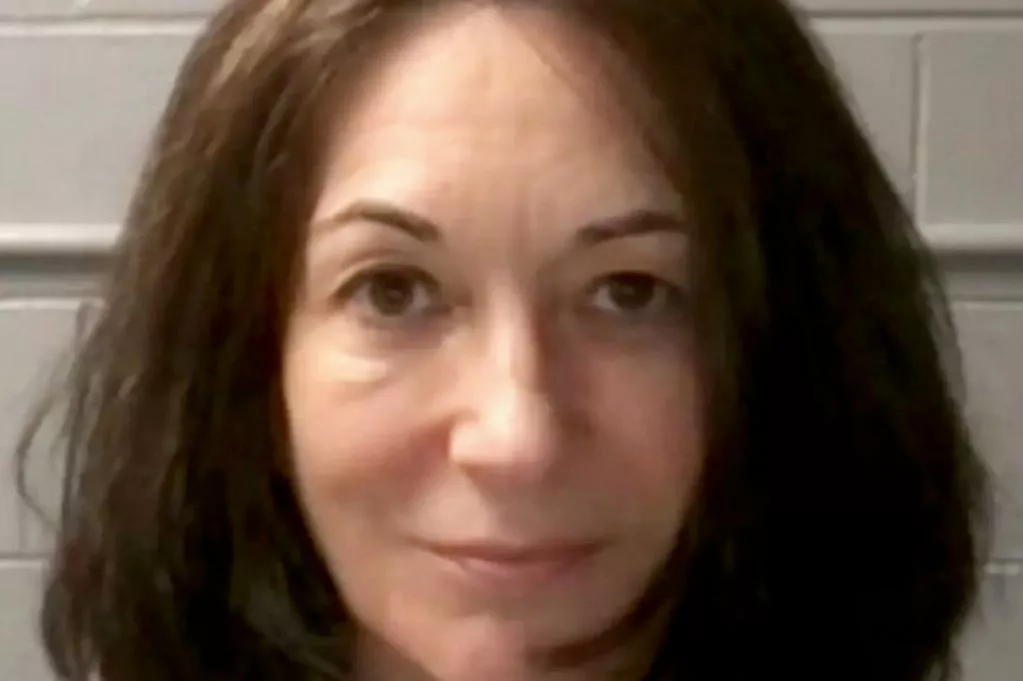

Ghislaine Maxwell has quietly been transferred from her Florida prison to a more relaxed federal facility in Texas, just days after holding a private meeting with the Department of Justice.
Maxwell, convicted of trafficking underage girls for her former partner, convicted pedophile Jeffrey Epstein, had been serving a 20-year sentence at the low-security Federal Correctional Institution in Tallahassee.
As of today, however, her status within the Bureau of Prisons is marked as “Not in BOP custody,” though no public notice of her release or transfer has been issued.
A spokesperson for the Bureau of Prisons confirmed to Mirror US that Maxwell has been moved to Federal Prison Camp Bryan, a minimum-security prison in southeast Texas known for its comparatively lenient conditions.
The facility is also home to high-profile inmates such as Elizabeth Holmes, the disgraced biotech entrepreneur, and Jennifer Shah, a former reality TV star from The Real Housewives of Salt Lake City.
The timing of Maxwell’s relocation follows closely behind her confidential meeting with Justice Department officials, including Todd Blanche, Deputy Attorney General under President Donald Trump.
Her legal team has floated the idea of seeking a commuted sentence from Trump, as she reportedly offers cooperation in the broader Epstein investigation. Trump is currently under pressure to release sealed records related to Epstein’s trafficking network.
Attorney David Oscar Markus said the 63-year-old is willing to “testify openly and honestly” before Congress—on the condition that she is granted immunity. Mirror US has reached out to Markus for further comment.
“If her conditions are not met, she will invoke her Fifth Amendment right and decline to testify,” Markus said in a statement.
The House Oversight Committee, which subpoenaed Maxwell and scheduled her deposition for August 11, has already rejected her immunity request.
If she proceeds, the deposition would mark her first public testimony under oath since her 2022 conviction.
Her sudden transfer, removal from the Bureau of Prisons’ online records, and involvement in high-level political discussions have sparked speculation about a potential behind-the-scenes arrangement.
Maxwell’s legal efforts coincide with President Trump being asked directly whether he would consider a pardon for her.
“Well, I’m allowed to give her a pardon,” Trump said. “But nobody’s approached me with it.”
Sources suggest Maxwell’s meetings with DOJ officials may be part of a broader Trump administration strategy to manage public outrage surrounding the Epstein case.
Despite earlier pledges by Trump and his allies—including a campaign promise to “release all the Epstein files”—key materials remain under seal. These include documents that could identify potential co-conspirators or clients within Epstein’s network.
The ongoing secrecy has drawn criticism from victims, lawmakers, and even members of Trump’s party. There have been growing calls for the unsealing of more than 100,000 pages of federal investigation records.
Maxwell’s renewed visibility in the scandal threatens to intensify political and legal scrutiny. Victims’ advocates warn that any leniency would undermine justice.
“She is a convicted predator,” said one Epstein survivor. “To even entertain a pardon is to spit in the face of every survivor who came forward.”
Maxwell was convicted in 2022 for trafficking minors between 1994 and 2004. Prosecutors described her as a key figure in the abuse operation—recruiting, grooming, and exploiting underage girls for Epstein and his wealthy associates.
Jeffrey Epstein died in a Manhattan jail in 2019 while awaiting trial. Though officially ruled a suicide, his death remains surrounded by questions and public skepticism.
President Trump has consistently denied any misconduct in relation to the Epstein case. He has not been charged with any crime and is not known to be under investigation.