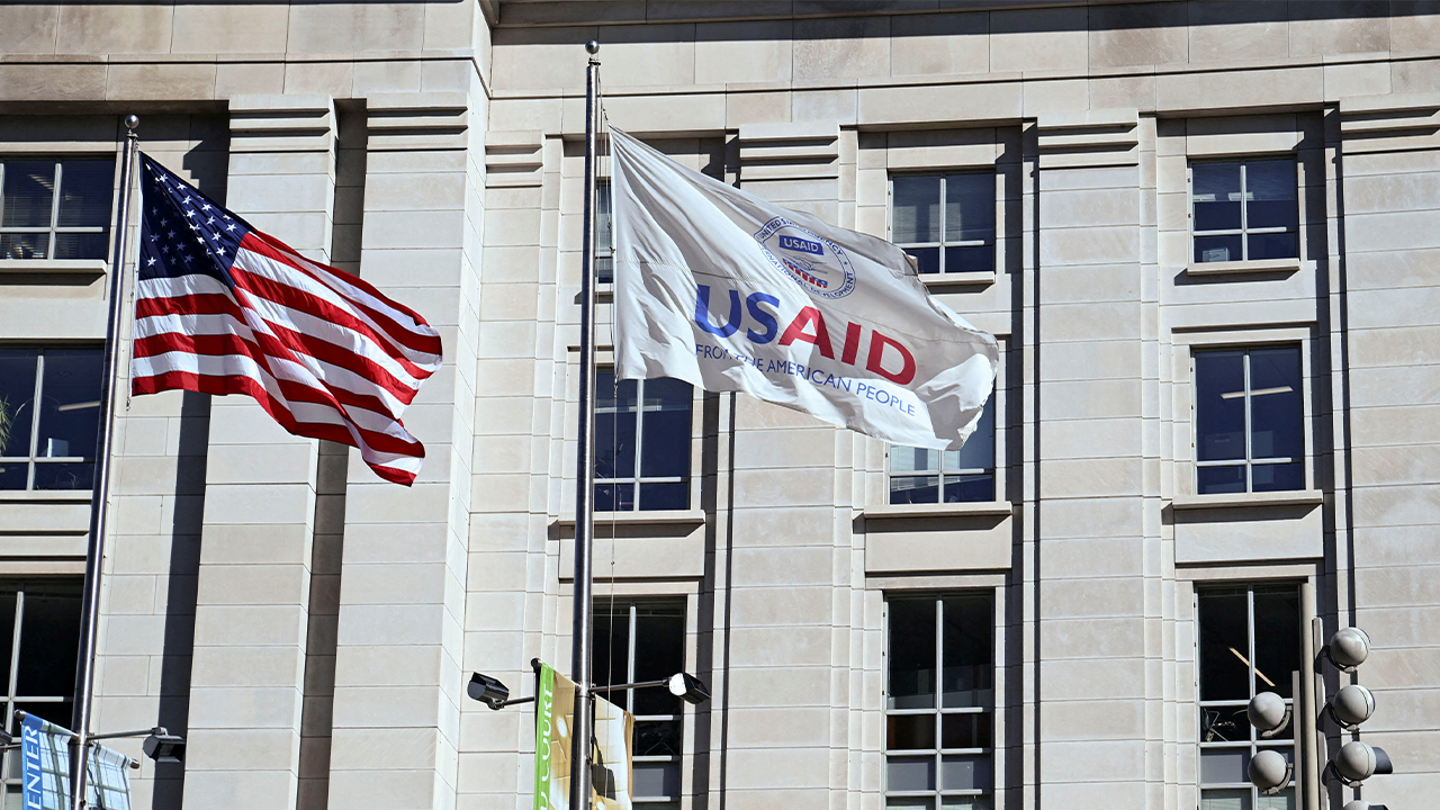

A federal appeals court ruled Wednesday that President Donald Trump’s administration can cut about $2 billion in foreign aid payments that had been put on hold earlier this year. This decision is a win for the Trump administration, which has been working to scale back the U.S. Agency for International Development (USAID).
The U.S. Court of Appeals for the D.C. Circuit voted 2-1 to overturn a lower court’s earlier order that required the administration to pay nearly $1.98 billion for USAID projects already approved by Congress. These funds had been frozen earlier this year, and the dispute has been tied up in court for months.
Judge Karen L. Henderson, writing for the majority, said the plaintiffs did not have legal grounds to sue the administration for withholding the money. She also explained that the law preventing the withholding of funds—the Impoundment Control Act—does not give these groups the right to challenge the decision, though the U.S. Comptroller General could do so.
Henderson, appointed by President George H.W. Bush, was joined by Judge Greg Katsas, a Trump appointee. They also found that the plaintiffs did not prove President Trump went beyond his legal authority.
It is unclear if the plaintiffs will ask for the full appeals court, which has a Democrat majority, to review the case. That could temporarily block the cuts if the court sides with the lower court’s earlier decision.
President Trump has made reducing foreign aid a priority, signing an executive order on his first day in office to freeze most foreign aid spending. Supporters say it is part of his effort to fight waste, fraud, and abuse.
Critics argue that pulling U.S. investment from projects overseas could harm the economy, hurt America’s global reputation, and create new security risks. The cuts have led to protests and multiple lawsuits. The Supreme Court ruled against the administration in February, saying a payment deadline had already passed, but sent the case back to the lower court for more details.
Some justices, including Samuel Alito, strongly disagreed with that decision, saying it gave too much power to a single lower court judge.
Foreign aid groups warn that reducing funding could cause “immediate and irreparable harm” to communities around the world and make it harder for U.S. businesses to grow in foreign markets. Others worry it could increase corruption and crime in countries already struggling with instability.