
Advocates and legal experts report a troubling trend: many immigrant victims of domestic abuse are remaining silent, fearing that seeking help could trigger deportation. In some cases, abusers are exploiting their partner’s immigration status as a means of control.
One woman, now held in a Louisiana detention center, was reportedly arrested after her boyfriend accused her of assault and then informed Immigration and Customs Enforcement (ICE) that she was undocumented, her mother told Noticias Telemundo. In another case from April, a Salvadoran woman in Houston called 911 to report domestic abuse — only for police to alert ICE, according to court records reviewed by the Houston Chronicle.
Such stories are increasingly common, experts say. Isaret Jeffers, founder of the Tree Collective in Tampa, Florida, said undocumented women have confided that they endure abuse rather than risk deportation. Isabel Martínez, who oversees social services at the Tahirih Justice Center, said many victims believe that contacting police will not only fail to stop their abuser but also put them in detention or lead to removal from the country.
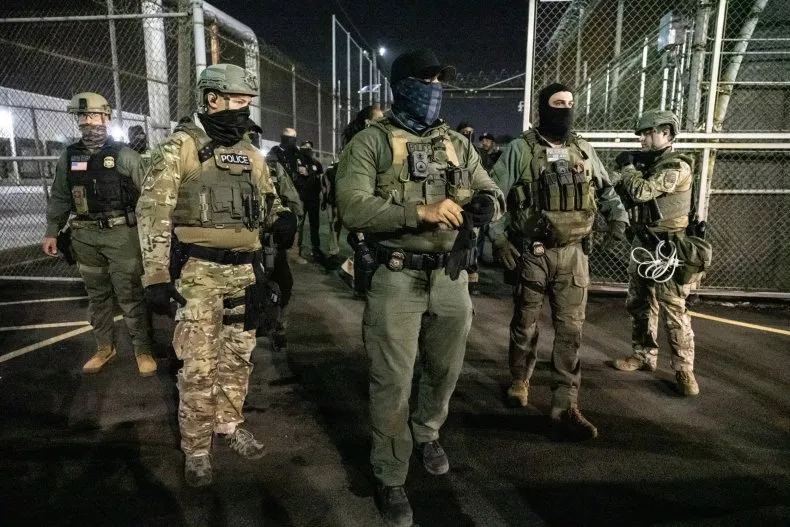
This fear has grown under the Trump administration’s heightened immigration enforcement. A June survey by the Alliance for Immigrant Survivors found that 76% of immigrant advocates say victims of domestic violence are afraid to call police because of ICE. Half reported working with victims who dropped legal cases for the same reason.
The consequences can be deadly. According to the National Institutes of Health and the CDC, more than half of intimate partner homicides are preceded by prior incidents of violence — a figure that rises to 75% when the victim is a woman.
Barriers Beyond Immigration Status
Victims face multiple layers of hardship. Many are financially dependent on their abusers, have children with them, or lack any local family support. Leaving an abusive relationship often means confronting questions of survival: How to pay rent, buy food, or afford legal representation?
Low-income women are especially vulnerable. A 2024 University of Cambridge study found that 85% of women seeking legal help for intimate partner violence lived at or below 200% of the federal poverty level. Cultural stigma, shame, and psychological abuse also discourage reporting. Some victims have endured abuse in countries where domestic violence is normalized and justice systems fail to protect women, making them more likely to accept abuse as inevitable.
Legal Pathways and Limits
Two primary legal protections exist for immigrant victims: the U visa and the Violence Against Women Act (VAWA) petition. The U visa offers a four-year work permit and, eventually, the possibility of permanent residency to victims who assist law enforcement. However, U.S. Citizenship and Immigration Services cautions that a pending U visa application does not shield a person from deportation.
Under VAWA, victims can pursue immigration relief without their abuser’s cooperation or knowledge — a critical safeguard when abusers threaten to derail legal status applications.
For one Houston woman, cooperation with police following a violent assault allowed her to apply for a U visa. While she awaits approval, she says she is working to rebuild her self-esteem and independence: “I continue working on myself… moving forward.”