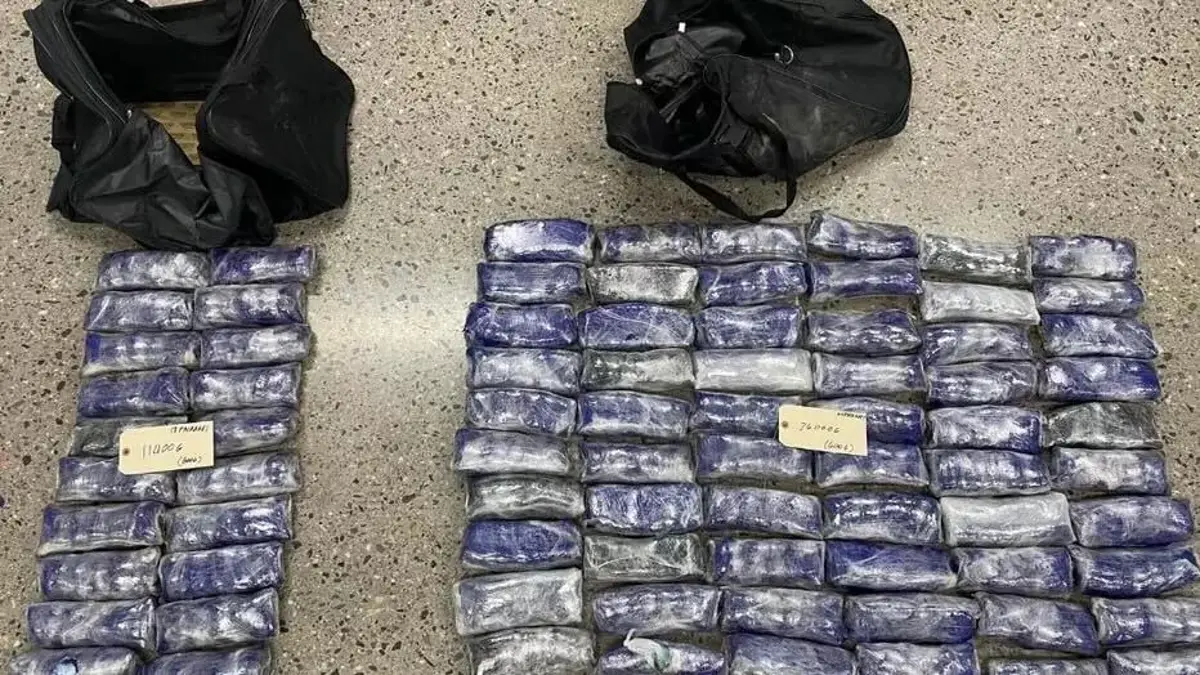

A group of Republican senators has unveiled a coordinated legislative effort to combat the rise of nitazenes — a potent and little-known class of synthetic opioids increasingly seen by experts as a potential successor to fentanyl in the ongoing opioid crisis.
Senators Eric Schmitt of Missouri, Pete Ricketts of Nebraska, and Dave McCormick of Pennsylvania introduced three bills designed to confront the spread of nitazenes through enhanced law enforcement, technology, and foreign policy tools. The initiative reflects one of Congress’s most proactive attempts yet to prevent what officials warn could become another devastating wave of overdose deaths.
Expanding Detection and Control Measures
Schmitt’s Detection Equipment and Technology Evaluation to Counter the Threat of Nitazenes Act of 2025 — or DETECT Nitazenes Act — would require the Department of Homeland Security, in partnership with the Drug Enforcement Administration, to develop and deploy advanced tools capable of identifying even trace amounts of nitazenes. The measure also updates the Homeland Security Act to ensure these synthetic opioids are explicitly targeted in federal anti-trafficking operations.

Ricketts and Schmitt also joined McCormick and Senator Ruben Gallego (D-Ariz.) in introducing the Nitazene Control Act, which seeks to permanently classify all nitazenes as Schedule I controlled substances — the same legal category as heroin, LSD, and fentanyl.
Targeting Foreign Supply Chains
The third proposal, the Nitazene Sanctions Act, focuses on disrupting the Chinese chemical supply chains behind these synthetic drugs. It would authorize sweeping sanctions on individuals and organizations in Communist China linked to the manufacture of nitazenes, and require the Departments of State and Justice to coordinate strategies for blocking precursor chemicals from entering the United States.
“Nitazenes could become the next fentanyl crisis if not stopped,” Ricketts warned. “It’s already killed thousands of Europeans, and it’s quickly making its way to our shores.”
Schmitt added that the sanctions would deliver “devastating consequences to any entity in Communist China that is manufacturing this deadly drug to poison and kill American citizens.”
McCormick emphasized the urgency of the threat, noting that “nitazenes are often more deadly than fentanyl, which killed nearly 4,000 Pennsylvanians last year alone. We must act before they become the next drug epidemic.”
A Potent and Emerging Threat
Nitazenes, part of a group of synthetic opioids known as benzimidazole-opioids, were first synthesized in the 1950s as experimental painkillers but never approved for medical use due to their extreme potency. According to the Centers for Disease Control and Prevention, common nitazene variants can be five to nine times stronger than fentanyl — with some up to 40 times more powerful.
Initially obscure, nitazenes began showing up in toxicology reports and drug seizures worldwide around 2019. Because they are frequently mixed into counterfeit pills or powders without users’ knowledge, even minuscule doses can be lethal.
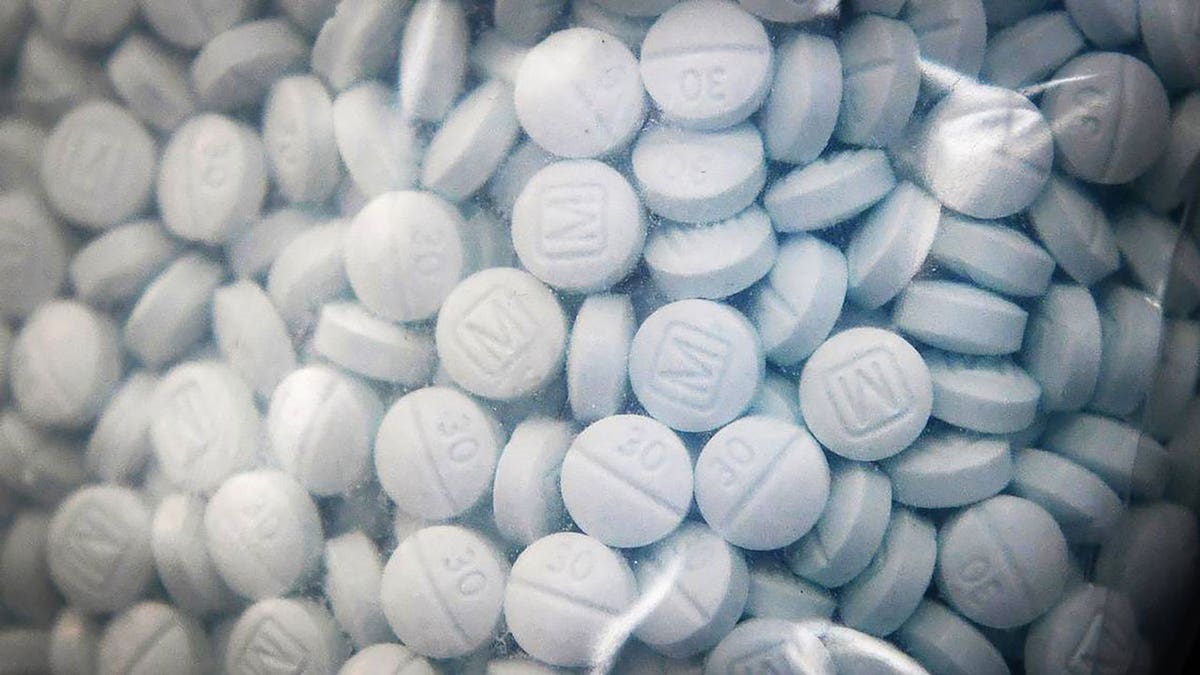
Data from the National Drug Early Warning System (NDEWS) show a sharp increase in nitazene-related incidents. Between January 2023 and April 2025, emergency medical teams documented 18,449 nitazene-related encounters nationwide — most nonfatal, but with fatal cases concentrated in the Southeast. The DEA’s Houston office has also reported a surge in deaths linked to the drugs in Houston, Austin, and San Antonio.
Despite mounting concern, the true extent of the crisis is still unknown. Many state and federal toxicology systems cannot yet distinguish nitazenes from other synthetic opioids, creating significant gaps in overdose reporting.
Legislative Push to Stay Ahead
Unlike traditional narcotics derived from opium, synthetic opioids like nitazenes can be made anywhere with readily available chemical ingredients. U.S. officials have warned that Chinese chemical producers can easily manufacture these compounds, while Mexican cartels could leverage existing networks to smuggle them into the country.
Together, the DETECT Nitazenes Act, Nitazene Control Act, and Nitazene Sanctions Act represent a comprehensive Republican push to address the threat on three fronts — detection, enforcement, and international disruption.
While fentanyl remains the leading cause of overdose deaths in America, lawmakers and public health experts are increasingly worried that nitazenes may herald a new, deadlier phase of the synthetic opioid epidemic — one that must be confronted before it spirals beyond control.