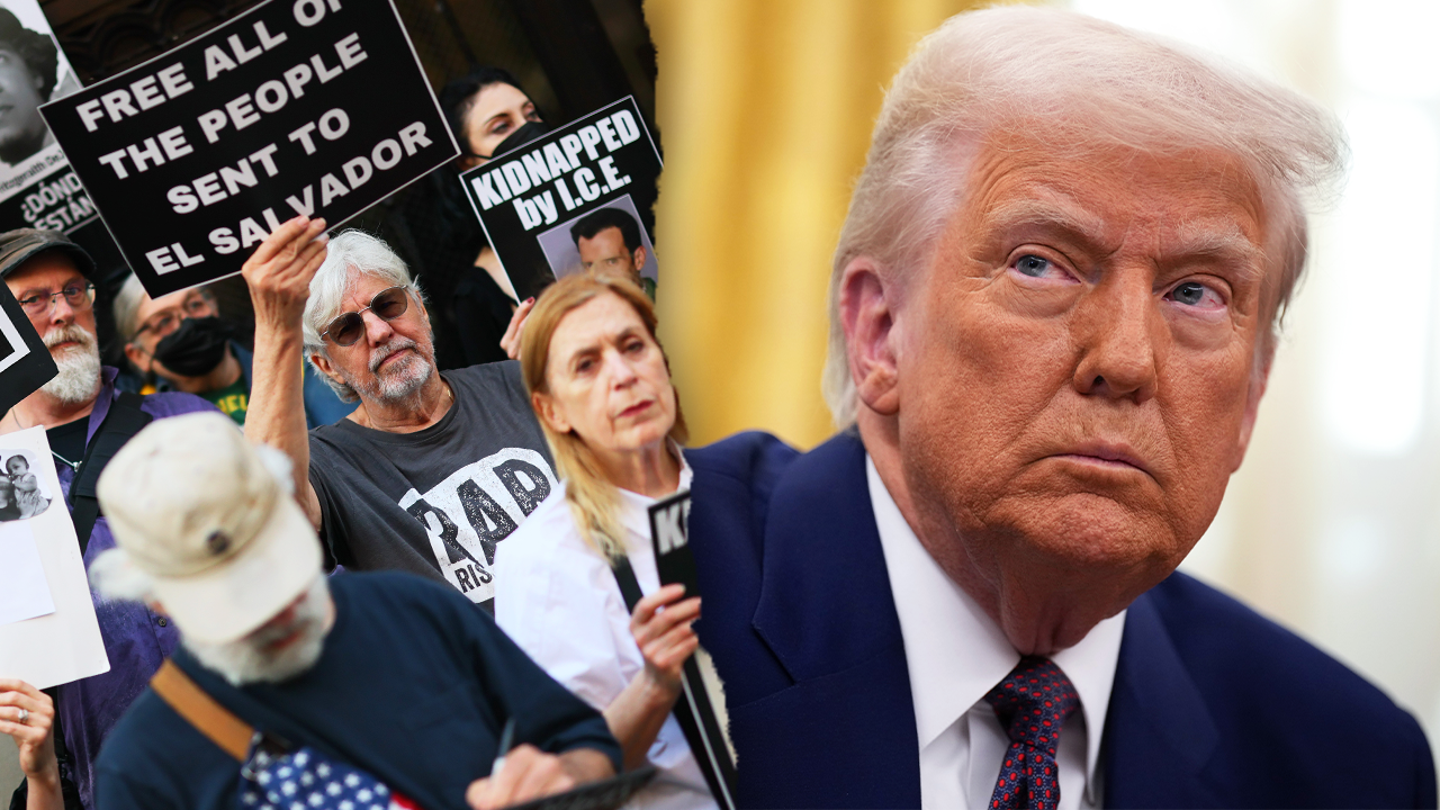

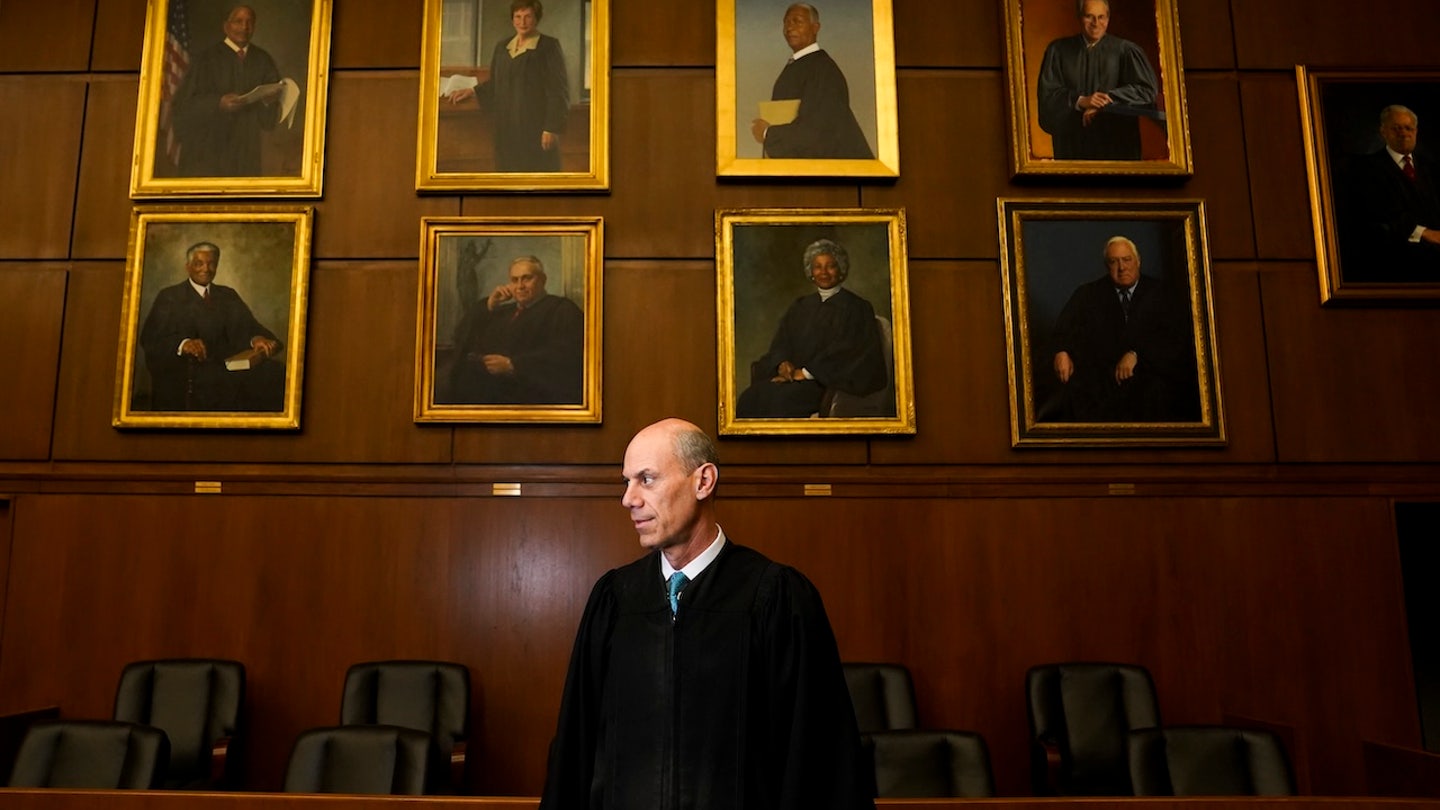
U.S. District Judge James Boasberg has directed lawyers for the Trump administration and attorneys representing a class of deported Venezuelan migrants to appear in court Wednesday to address the case’s current status and the long-delayed issue of whether the administration willfully violated an earlier order and should be held in contempt.
The brief minute order issued Monday is likely to reignite criticism from President Donald Trump and his allies in an immigration battle that has dragged on for more than nine months.
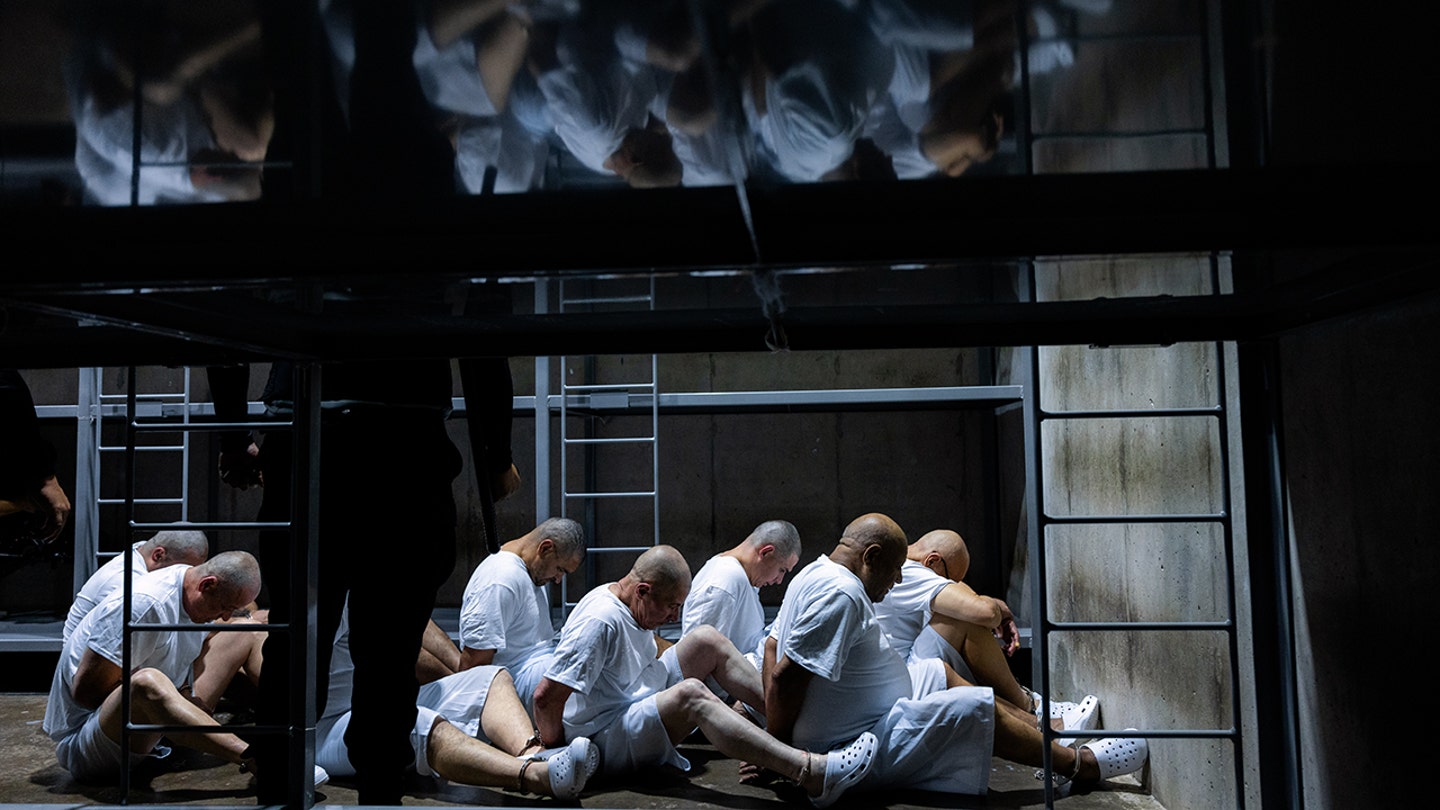
At the center of the dispute is the administration’s invocation of the Alien Enemies Act — a wartime immigration statute from 1798 — to remove 252 Venezuelan migrants from the United States to El Salvador’s maximum-security CECOT prison in March.
In response, Boasberg issued an emergency order that month blocking the use of the law to deport migrants to a third country without further court review. He also instructed officials to turn around any flights that had already left U.S. soil.
Despite that directive, the migrants arrived in El Salvador within hours. They remained there until July, when they were transferred from CECOT back to Venezuela as part of a broader prisoner exchange that included the release of at least 10 Americans and permanent U.S. residents held in Venezuela.
Administration officials have said the migrants were suspected members of Tren de Aragua, a Venezuelan gang. Attorneys for the ACLU and other groups contest that characterization, pointing to multiple independent news investigations reporting that only a small number of those deported under the 18th-century law had serious criminal histories.
The Alien Enemies Act has been invoked only three times in U.S. history, most recently during World War II.
For months, Boasberg sought information from the government about who was deported to CECOT and which officials authorized the flights that proceeded after his temporary restraining order. In April, he concluded there was “probable cause” to pursue criminal contempt proceedings, citing what he described as the administration’s willful disregard of the court’s March 15 emergency order.
That contempt track was put on hold when a three-judge appellate panel issued an emergency stay. In August, the panel voted 2–1 to throw out Boasberg’s contempt-related ruling altogether. The issue was then taken to the full U.S. Court of Appeals for the D.C. Circuit for possible review.
On Friday, the en banc court declined to rehear the matter by an 8–3 vote. The judges explained that because the two majority panel judges had offered different rationales in August, the panel’s mandamus order no longer carried practical or precedential effect. As a result, Boasberg again has jurisdiction to consider contempt — for the first time in more than 200 days.
Boasberg moved quickly to signal that he intends to proceed. His Monday order requires both sides to attend Wednesday’s previously scheduled motions hearing prepared to provide updates and address next steps related to the contempt inquiry.
As of Monday, the Trump administration had not publicly provided a list of those sent to CECOT in March or detailed their U.S. immigration status prior to removal.
The March emergency order triggered a sprawling legal fight, spawning dozens of related lawsuits nationwide, though the case before Boasberg was the first to challenge the deportations. His oversight has also made him a frequent target of the president, who has repeatedly criticized him as an “activist judge.”