
Georgia Gardiner, a 28-year-old mother from the UK, says her repeated concerns were overlooked by doctors before she was finally diagnosed with stage 4 stomach cancer.
Her symptoms began last summer with severe stomach cramps and constant nausea that made it difficult to eat. “My body was just rejecting everything,” Georgia said. “I’m usually a massive foodie, but I lost my appetite and could only manage small amounts.”
After four weeks of waiting for an appointment, Georgia was given acid reflux medication. Over the following months, she returned to doctors and hospitals six to nine times, each time being told it was likely reflux or heartburn. Only after a GP referral for further testing was an endoscopy finally performed, revealing the real cause: linitis plastica, a rare and aggressive form of stomach cancer.

On June 13, Georgia was told the cancer had already spread to her lymph nodes and other organs—and that it was incurable.
“At first, we had hope that they could remove it,” she recalled. “Then they told me it couldn’t be cured. I was in complete shock. I asked, ‘Am I going to die?’”
Doctors told Georgia she may have just 12 months to live. While treatment may improve her quality of life, it likely won’t extend it significantly.
What makes it even more painful, she says, is how long it took to be taken seriously. “The kind of cancer I have can move from stage one to four in just a few months,” she said. “If they had caught it earlier, maybe there would’ve been more we could do.”
Now, Georgia is focusing on spending time with her two-year-old son, Arlo, and planning her wedding, which she and her fiancé have moved up in light of the diagnosis.
“I never thought I’d have cancer at 28. I felt healthy. I thought I was invincible,” she said. “What breaks me is thinking about everything I’ll miss in Arlo’s life. He’s my world.”
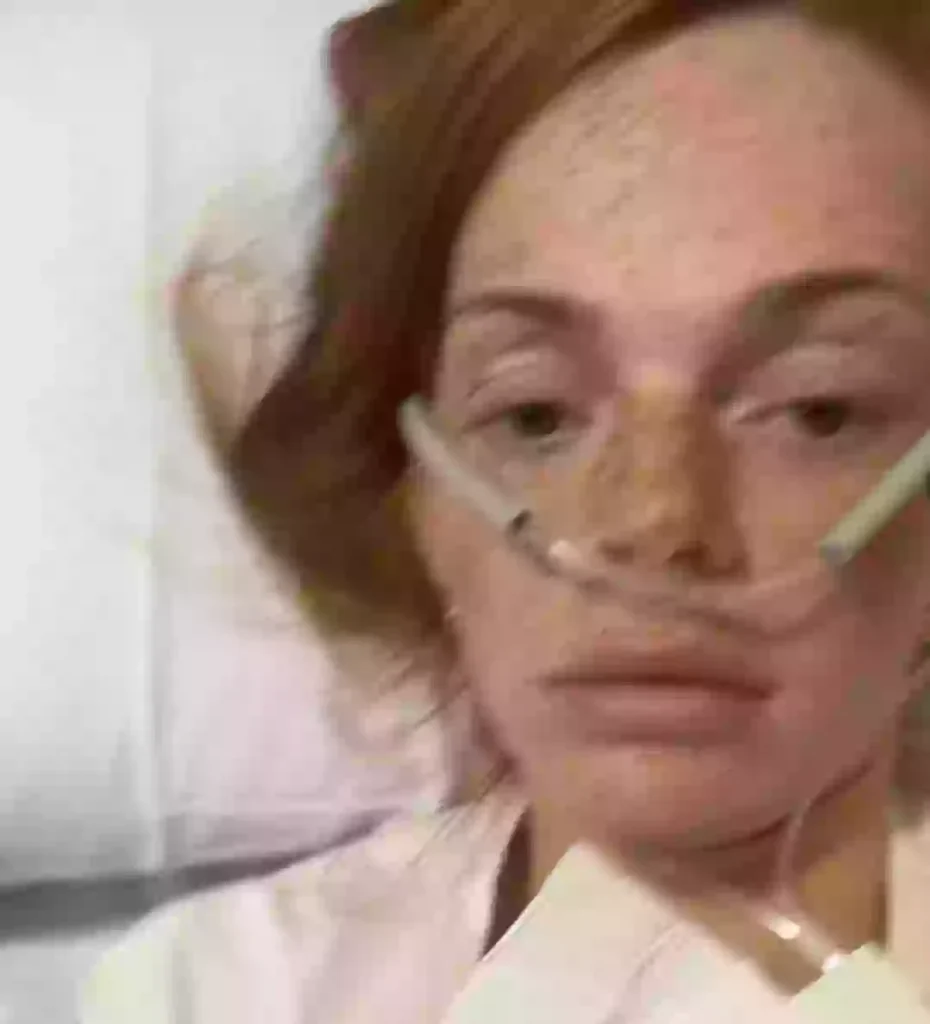
Her message to others: Don’t stop pushing for answers. “If someone else reads this and pushes their doctor to dig deeper, and it helps catch something early, then at least I’ll know I’ve made a difference.”
A fundraiser has been launched to support Georgia’s treatment and help her make memories with her family.