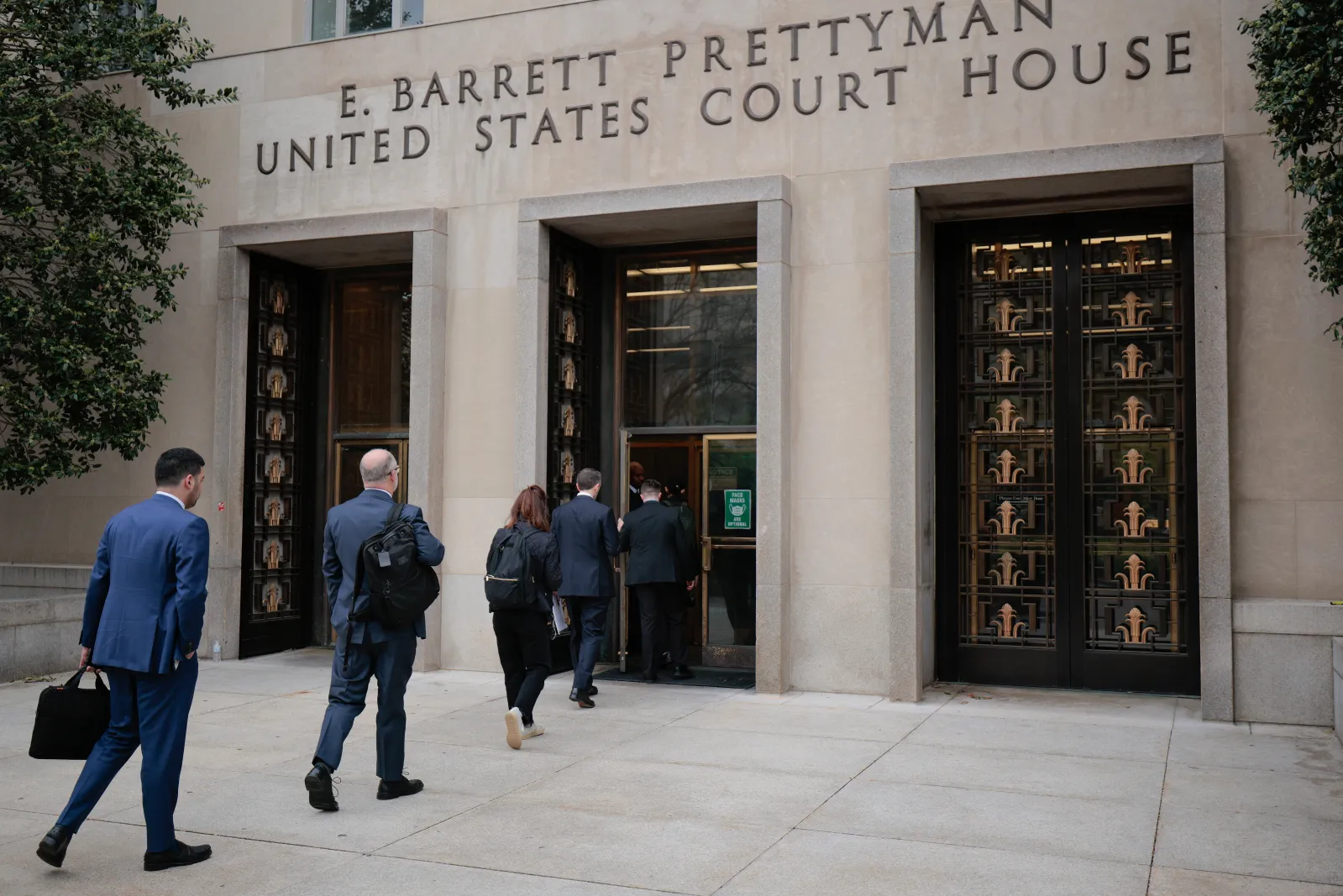

Bankruptcy cases in the United States climbed in the second half of 2025, underscoring increasing financial pressure on both households and businesses.
According to the latest quarterly report from the Administrative Office of the U.S. Courts, total bankruptcy filings rose 10.6 percent in the 12 months ending September 30 compared with the previous year. Business cases increased by 5.6 percent, while nonbusiness filings jumped 10.8 percent. Altogether, there were 557,376 filings in that period—the highest 12-month total recorded since 2020.
Why It Matters
Several organizations have tracked a steady rise in bankruptcies over the past few years. While overall numbers still sit below historic peaks, the upward trend is being read by many as a reflection of the financial stress facing American consumers and companies in 2025.
That concern has been amplified by a series of high-profile corporate bankruptcies this year. Spirit Airlines, jewelry retailer Claire’s, and auto parts maker First Brands are among the better-known companies that have sought court protection, with First Brands’ collapse intensifying scrutiny of aggressive lending practices in the U.S. credit markets.
What To Know
The court report noted that bankruptcy filings fell consistently for more than a decade after the financial crisis, sliding from nearly 1.6 million in the year ending September 2010 to a low of 380,634 by June 2022.
Since then, the trend has reversed. There was a notable spike in 2020, followed by a continued climb to the latest 12-month total of 557,376.
A separate analysis from the American Bankruptcy Institute (ABI), using data from court-data platform Epiq AACER, found that total filings reached 53,019 in October—up 12 percent from the same month a year earlier.
Commercial bankruptcies rose 7 percent, while individual filings increased 13 percent. ABI linked these gains to the financial pressures bearing down on both households and companies in the latter half of 2025.
S&P Global Market Intelligence data released in mid-November, and reported by Business Insider, showed that large corporate bankruptcy cases are approaching a 15-year high. S&P counted 68 such filings in October, bringing the 2025 total to 655. That is just shy of the full-year 2024 total of 687 and already surpasses every year since 2010, when large corporate bankruptcies hit 828.
What People Are Saying
Amy Quackenboss, executive director of the American Bankruptcy Institute, said that lingering economic challenges—such as elevated prices, tighter credit conditions, and global instability—are continuing to strain financially vulnerable families and firms. She emphasized that bankruptcy remains a crucial legal mechanism for heavily indebted households and businesses seeking to reset their finances and move forward.
Pamela Foohey, Allen Post professor of law at the University of Georgia School of Law, told Newsweek that the jump in both business and consumer cases likely signals more bankruptcy filings ahead. She highlighted the especially sharp rise among small businesses, including independent and family-run shops, which she said are being squeezed by inflation and tariffs and increasingly see bankruptcy as their only option.
Foohey also pointed to household budgets under pressure from higher costs for essentials like food, housing, and fuel, with wage growth failing to keep pace. As a result, she said, many people are leaning more on credit cards, then struggling to keep up with minimum payments. When debt collection escalates, it often pushes them into bankruptcy. In her view, this pattern is likely to continue unless underlying economic conditions change.
What Happens Next
Michael Hunter, vice president at Epiq AACER, noted in ABI’s report that many of the forces driving this year’s filings are unlikely to fade quickly. Higher interest rates, rising living and operating costs, and elevated household debt levels, he said, all point to ongoing demand for bankruptcy relief from both consumers and businesses as the country moves into next year.