
The country is only now starting to grasp the scale of an ongoing scandal in Minnesota, where state taxpayers have allegedly been robbed of well over a billion dollars through overlapping welfare-fraud schemes centered in and around Minneapolis’s close-knit Somali diaspora.
This isn’t just a story about lost money; it cuts to the heart of our immigration policies and how they’re enforced. For years, most major outlets looked the other way, even as smaller platforms — including Power Line, where Scott Johnson has closely followed the court cases — sounded the alarm.
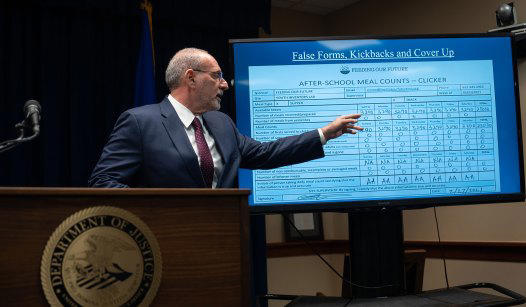
In September 2022, federal authorities began indicting groups of Somali Americans in the Minneapolis area for allegedly siphoning money from Minnesota’s welfare and public-assistance programs. The first big case to break into public view was the Feeding Our Future scandal. So far, 75 people tied to this Somali “charitable” group have been charged with exploiting a flood of post-2020 Covid relief funds that were available to anyone willing to claim a charitable mission. Feeding Our Future secured millions of dollars in pandemic funding by promising to supply “school lunches” to disadvantaged children in the Twin Cities’ Somali community.
The FBI raided the group’s sham “meal sites” in January 2022, and federal indictments have continued to roll out ever since. But Feeding Our Future was not an isolated scheme. It was part of a broader pattern of government-fraud operations that emerged from the Twin Cities’ Somali community during the Covid era. On September 18, federal prosecutors issued the first in a series of indictments against eight defendants accused of looting Minnesota’s Housing Stabilization Services program for hundreds of millions of dollars.
There are still more alleged fraud networks to unwind, and the suspicion is that they extend deeply into the local Somali community. A report by Ryan Thorpe and Christopher Rufo in City Journal drew national attention to the scandal and caught the eye of Donald Trump, who then used the story to call for revoking Temporary Protected Status for all Somali migrants.
Over the weekend, the controversy was elevated further by a lengthy investigative piece in the New York Times, which pointed directly at Minnesota Governor Tim Walz and his administration’s role in allowing the fraud to flourish. With that, progressive America has officially been given permission to acknowledge the problem — though it is unlikely to reach the conclusions many of us would draw.
Joe Thompson, the career prosecutor leading the federal effort, has argued that this “fraud crisis” is no accident but rather the product of failure at almost every level of leadership in Minnesota: elected officials who looked away, agencies that did nothing, law enforcement that didn’t push hard enough, journalists who ignored the story, community figures who stayed quiet, and a public that preferred to believe it couldn’t happen there. In his view, the issue is not just a handful of bad actors gaming the system, but a system that practically invited abuse. Ignore the truth long enough, he warns, and Minnesota risks losing more than tax dollars — it risks losing the state Minnesotans thought they knew.
The uncomfortable truth is that, in welcoming migrants from Somalia, America also imported aspects of that country’s entrenched criminal culture — and did so without a compelling reason. Vague accusations of racism were routinely used to discourage skeptical officials, reporters, and citizens from investigating obvious warning signs.
All of this forces a larger debate: What does the United States actually owe those who wish to come here? Are we morally or politically obligated to accept an endless stream of people from developing nations whose cultural norms clash with Western values simply because they carry the label “refugee”? What argument justifies admitting newcomers in such concentrated numbers that the very dysfunctions they fled can be recreated on American soil, only on a smaller scale?
For many on the left — and among libertarian advocates of open borders — the responses tend to be comforting slogans and feel-good narratives. In Minnesota, those answers have already been tested against reality, and the results have been disastrous.