Senior military officials are voicing unease over a defense strategy rolled out by Secretary of Defense Pete Hegseth that, critics say, elevates domestic security priorities while downgrading the importance of international alliances—especially at a time of rising competition with China and Russia. Detractors argue the approach could weaken U.S. deterrence, disrupt coordination with allies, and introduce new risks for both national and global stability.
Concerns intensified after a Pentagon memo surfaced earlier this year, describing internal pushback from senior leaders. According to the memo’s accounts, multiple top officers warned that the shift could erode preparedness and complicate diplomatic relationships with key partners.
Representative Chrissy Houlahan (D-PA) criticized Hegseth, saying he “embodies dangerous views that undermine our military’s efficacy, lethality, and readiness.” Senator Mazie Hirono (D-HI) similarly argued, “This comes at the expense of real national security. But obviously they don’t give a rip.”
Hegseth has defended the strategy as a corrective to what he describes as declining training tempo and overstretched forces. “There needs to be more warfighter training,” he said. “We don’t do enough of it. We don’t do enough flying training. I like this approach … I thought it was a strong speech.” He has pointed to training shortfalls, maintenance backlogs, and the strain of sustained operational demands as reasons the department should rebalance toward readiness.

Warfighter Readiness Debate
While supporters frame the plan as a return to basics, some defense analysts and former commanders caution that expanding domestic mission emphasis risks blurring the long-standing separation between the military’s role and civilian law enforcement.
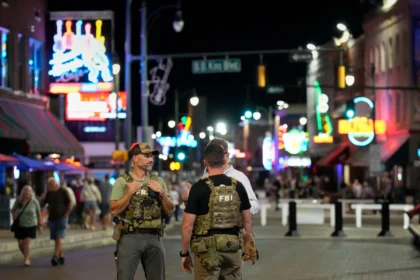
Representative Pat Ryan (D-NY) condemned the strategy’s domestic focus, saying, “Deploying U.S. troops against U.S. citizens in American cities isn’t just unprecedented and unconstitutional — it’s UNAMERICAN.” He added that “Every freedom-loving American Patriot, regardless of their political party, must speak up NOW.”
Another flashpoint is Hegseth’s proposal to reduce senior officer positions by 20%. Critics argue that shrinking the top ranks could weaken operational oversight, long-range planning, and troop morale—especially during a period of heightened global uncertainty.
Alliance Strains And Concerns
Pentagon spokesperson Sean Parnell defended the direction of the strategy, declaring, “The war on warriors is over.” He added, “Political correctness has no home at the Department of War. Today’s address cements a new but familiar culture we refer to as the warrior ethos and postures the department toward a new era of peace through strength.”
Even with those assurances, opponents warn that cutting senior leadership positions while shifting focus inward could reduce the military’s ability to coordinate with allies and plan for complex global contingencies—precisely when adversaries are testing U.S. resolve and international partnerships.