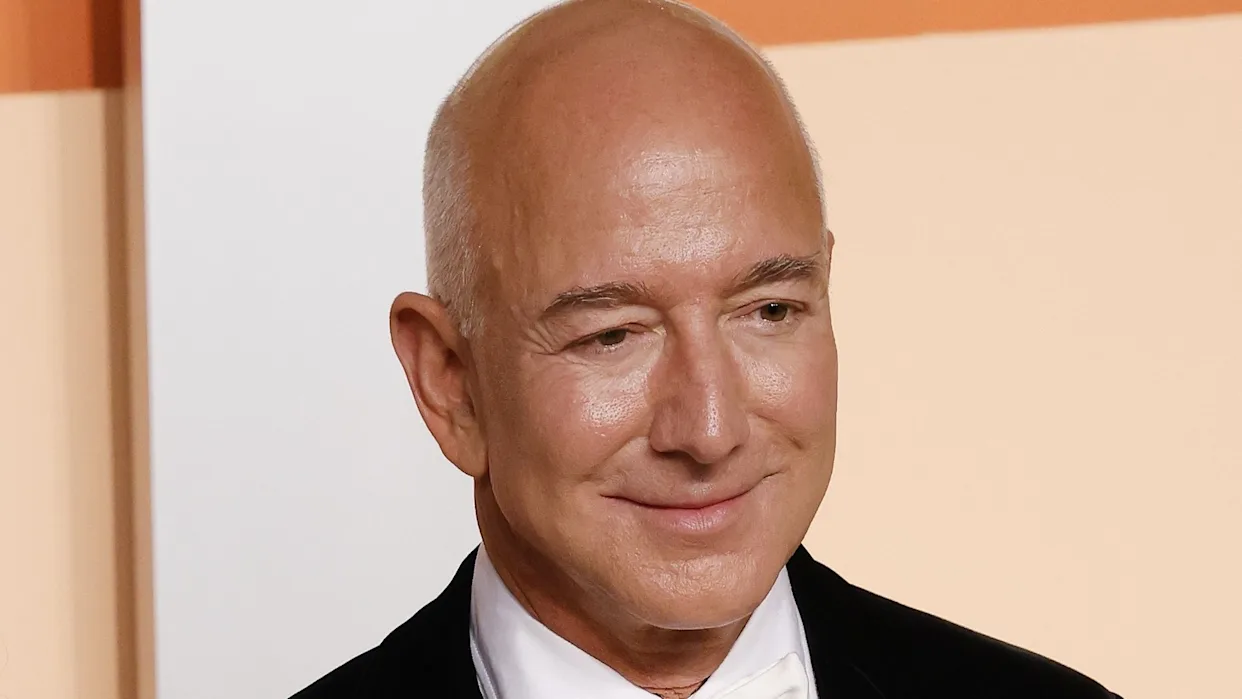

Jeff Bezos, the founder of Amazon, is no stranger to wealth. According to Forbes’ Real-Time Billionaires List, Bezos consistently ranks among the top five richest people in the world, alongside names like Elon Musk, Mark Zuckerberg, Larry Page, and Warren Buffett.
But what if Bezos decided to do the unthinkable—liquidate his entire fortune and distribute it equally to every American?
The Math Behind the Fantasy
As of June 2025, the U.S. population stands at 341,891,315, according to the U.S. Census Bureau. This figure accounts for the steady birth and death rates, with one birth occurring roughly every 9 seconds and one death every 11 seconds.
If Bezos’ entire $237 billion net worth (as estimated by Forbes) were divided equally among all Americans, each person would receive around $693.20.
While that may not be life-changing in today’s economy, it could act as a small financial boost—comparable to a stimulus check or holiday bonus.
How Did Bezos Get So Rich?
Bezos didn’t inherit billions—he built Amazon from the ground up, starting with a modest online bookstore. It took nearly a decade for the company to turn a profit. In fact, Amazon didn’t report positive earnings until 2003, seven years after going public.
“Bezos doesn’t make decisions based on what looks good this quarter; he’s thinking in five, 10, sometimes even 20-year timelines,” said Jamie Wall, a personal finance strategist at Gamblizard.
Wall added that for everyday individuals, this kind of long-term thinking is key:
“Building wealth isn’t about quick wins—it’s about consistency and planning. It’s not a sprint; it’s a marathon.”
Takeaway: Wealth Is Possible, With Patience
Although few people will ever reach Bezos-level wealth, his story is a powerful reminder of what’s possible with vision, persistence, and long-term planning. Even if you’re not a billionaire, you can still build lasting financial success—one smart decision at a time.