
The U.S. Supreme Court on Tuesday refused to let the Trump administration deploy National Guard troops to the Chicago area to support immigration enforcement.
Why It Matters
The ruling could become a key marker in the broader fight over how far federal power can go in domestic law enforcement. It also adds fuel to disputes over states’ rights, constitutional limits, and the use of emergency executive authority—especially when military forces are tied to civilian operations and immigration enforcement.
What to Know
The justices turned down an emergency request from the Republican administration that sought to overturn a lower-court order blocking the deployment. U.S. District Judge April Perry stopped the move, and a federal appeals court declined to step in. The Supreme Court acted after more than two months of considering the request.
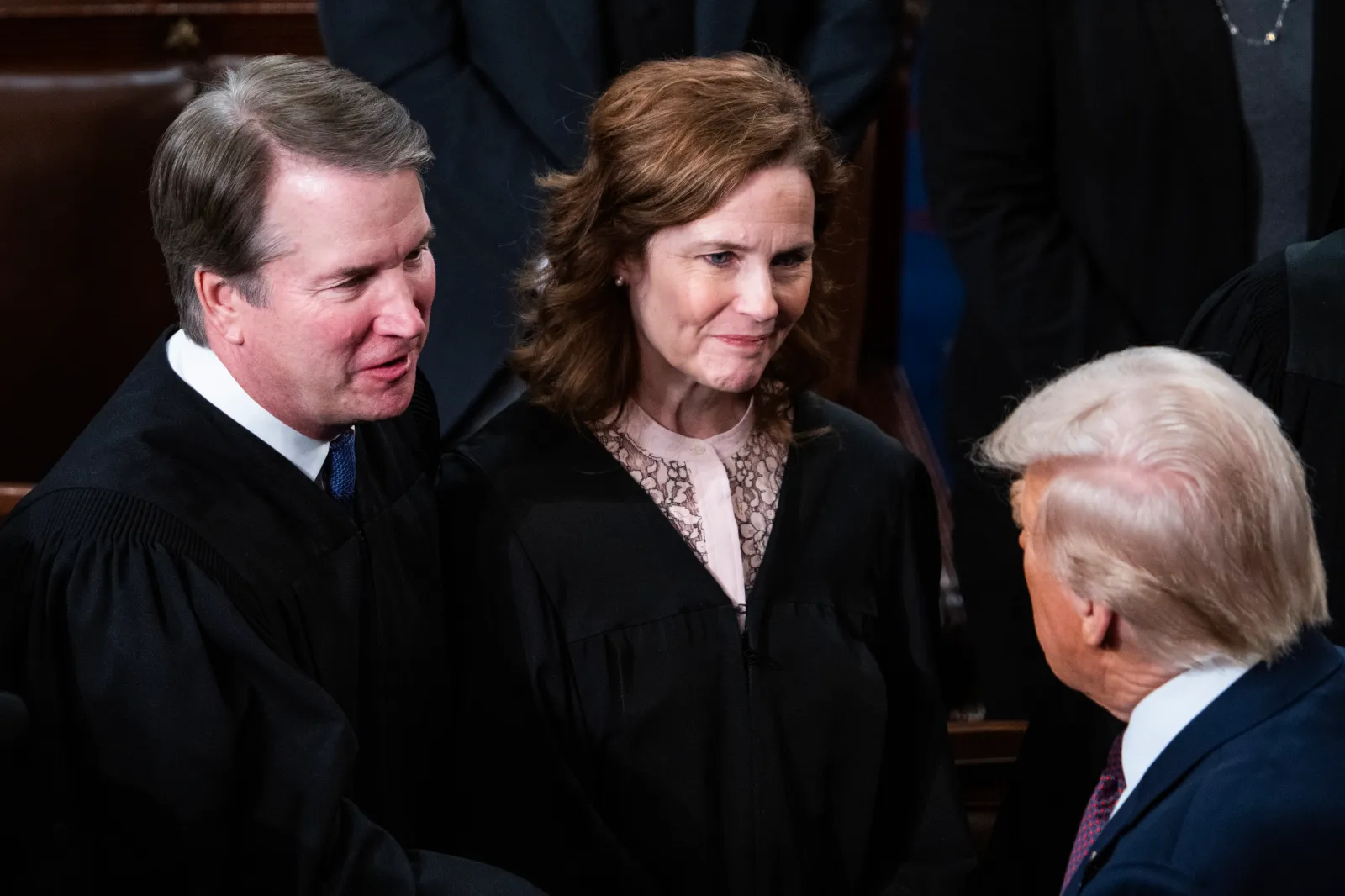
Justices Samuel Alito, Clarence Thomas, and Neil Gorsuch dissented. The short order does not decide the case itself, but it may weigh on similar lawsuits challenging President Donald Trump’s attempts to use military forces in other Democratic-led cities.
The outcome is a loss for Trump at the high court, where his administration has often succeeded with emergency appeals since returning to office in January.
In an email to Newsweek on Tuesday, White House spokeswoman Abigail Jackson said, “The President promised the American people he would work tirelessly to enforce our immigration laws and protect federal personnel from violent rioters. He activated the National Guard to protect federal law enforcement officers, and to ensure rioters did not destroy federal buildings and property. Nothing in today’s ruling detracts from that core agenda. The Administration will continue working day in and day out to safeguard the American public.”
Illinois Democratic Governor JB Pritzker responded on X by calling the decision a major victory: “Today is a big win for Illinois and American democracy. I am glad the Supreme Court has ruled that Donald Trump did not have the authority to deploy the federalized guard in Illinois.”
What People Are Saying
Pritzker, on X in October: “If the National Governors Association chooses to remain silent, Illinois will have no choice but to withdraw from the organization. We should be standing as one against the idea that Donald Trump can call up the National Guard against our will.”
Trump, on Truth Social in August: “Six people were killed, and 24 people were shot, in Chicago last weekend, and JB Pritzker, the weak and pathetic Governor of Illinois, just said that he doesn’t need help in preventing CRIME. He is CRAZY!!! He better straighten it out, FAST, or we’re coming! MAGA. President DJT”
What Happens Next
Tuesday’s order may be cited in ongoing and future challenges involving National Guard deployments in Democratic-led areas such as Los Angeles, Portland, and the District of Columbia. Appeals in California and Oregon—and separate legal fights in Washington, D.C.—could further test how much authority the federal government can claim after this ruling.