The family of an Iranian protester who has been sentenced to death is appealing to Donald Trump to intervene and help stop the execution.
Erfan Soltani, 26, a clothing shop owner, was detained last week by Iranian authorities and is now “on the brink of execution,” according to a human rights group. Relatives say the case has moved with unusual speed, leaving them fearful that he could be put to death at any moment.
A cousin, Somayeh, said the family wants the U.S. president to match his recent warnings with action. “Our demand now is that Trump truly stand behind the words he said, because the Iranian people came to the streets based on those statements,” she told CNN. Speaking at personal risk, she added: “An unarmed population trusted these words and is now under gunfire. I beg you, please do not let Erfan be executed. Please.”
Family members were reportedly heading to Ghezel Hesar Prison late on Tuesday night, though there have been no further updates since then.
Human rights monitors say the ongoing crackdown has been severe, with more than 2,570 people killed as protests spread nationwide. Soltani is believed to be the first known case in the current unrest in which an execution order has been issued.

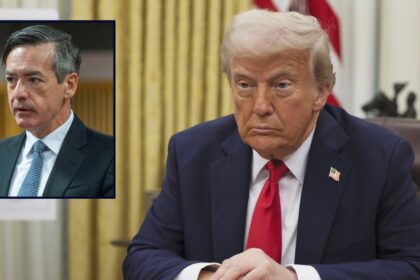
Trump issued a pointed warning on Tuesday, describing the hanging of protesters as a red line for the United States. “We will take very strong action. If they do such a thing, we will take very strong action … We don’t want to see what’s happening in Iran happen,” he said. “And you know, if they want to have protests, that’s one thing, when they start killing thousands of people, and now you’re telling me about hanging – we’ll see how that works out for them. It’s not going to work out good.”
Friends and relatives describe Soltani as someone who supported basic freedoms but was not a prominent leader or organiser. Somayeh said he was never the loudest voice in a crowd and did not belong to any opposition group, and she denied he had “resorted to violence” during the protests.
He was arrested near his home last Thursday. According to Hengaw, a Norway-based Kurdish human rights organisation, he was denied access to legal representation and did not receive a fair trial. Four days after his detention, the family was informed that his execution had been scheduled.
Arina Moradi of Hengaw said: “This is the quickest we have seen a case move. This is the pattern of the Islamic Republic – for the judiciary to swiftly punish protesters with the death penalty. This will certainly not be a single case.”
Trump has also threatened the use of military force if the killings continue, and he has announced 25 per cent tariffs on countries that trade with Iran. Reuters reported that some personnel at the U.S. air base in al-Udaid, Qatar, were advised to leave the area by Wednesday evening.

Inside Iran, the judiciary signaled an even tougher approach. State media reported that the head of Iran’s judiciary pledged to fast-track prosecutions and said trials should be held publicly. In comments carried by Iranian outlets, Gholamhossein Mohseni Ejei said proceedings should move quickly, while dismissing the demonstrations as “riots.”
Iran’s ambassador to the United Nations, Amir Saeid Iravani, wrote to the UN Security Council accusing Trump of encouraging destabilisation, inciting violence, and threatening Iran’s sovereignty and national security.
Activists also say Iranian state media has broadcast at least 97 confessions since Dec 28, often alleging foreign conspiracies involving Israel or the United States. Human Rights Activists News Agency (HRANA) said the statements were coerced, frequently through psychological or physical torture. “These rights violations compound on top of each other and lead to horrible outcomes,” said Skylar Thompson, HRANA’s deputy director. “This is a pattern that’s been implemented by the regime time and time again.”
Iran’s judiciary has previously carried out executions following mass demonstrations. After the “Woman, Life, Freedom” protests in 2022—sparked by the death of Mahsa Amini after her arrest by morality police—at least 10 protesters were executed, more than 500 people were killed, and more than 22,000 were detained.
HRANA says roughly 10,700 people have been arrested since protests began on Dec 28. While Soltani is the first known protester reported to be facing execution during the current wave, rights groups warn that many others could be at risk amid official threats to impose harsh punishments.

A source close to Soltani’s family said authorities told them the death sentence was final and that he would only be allowed a brief moment with relatives before the execution.
Soltani is from Fardis, west of Tehran, and was arrested at his home in Karaj, in north-central Iran. Hengaw said he was denied his right to a defense and a proper trial, calling the case “a clear violation of international human rights law.”
Meanwhile, Trump has suggested negotiations with Tehran are no longer possible, posting that he had “cancelled all meetings” with Iranian officials while convening senior advisers to consider options. Iranian officials have accused the U.S. of attempting to “manufacture a pretext for military intervention,” warning that “this playbook has failed before.”
U.S. officials have weighed a range of measures, including air strikes on targets such as military bases and nuclear sites, cyber operations, efforts to restore connectivity for protesters, additional sanctions, and expanded support for anti–government information efforts online. The U.S. has also deployed F-35 fighter jets, bombers, and tankers to Al Udeid Air Base in Qatar as tensions rise. American citizens in Iran were advised to consider leaving Iran “by land to Armenia or Turkey” amid fears of escalation.
In the UK, Foreign Secretary Yvette Cooper said she had summoned Iran’s ambassador over what she described as “horrific reports,” and said further sanctions would be enforced.
The protests were initially driven by the collapse of Iran’s currency and soaring living costs, but they have rapidly expanded into broader demands for political change—posing one of the most serious challenges to Iran’s clerical establishment since 1979. Demonstrations intensified last Thursday and were met with deadly force, while authorities moved to shut down much of the internet and communications services.