
Native American leaders and advocates are raising alarms after reports that Indigenous U.S. citizens have been questioned or detained during immigration enforcement activity, particularly amid ongoing raids in Minneapolis.
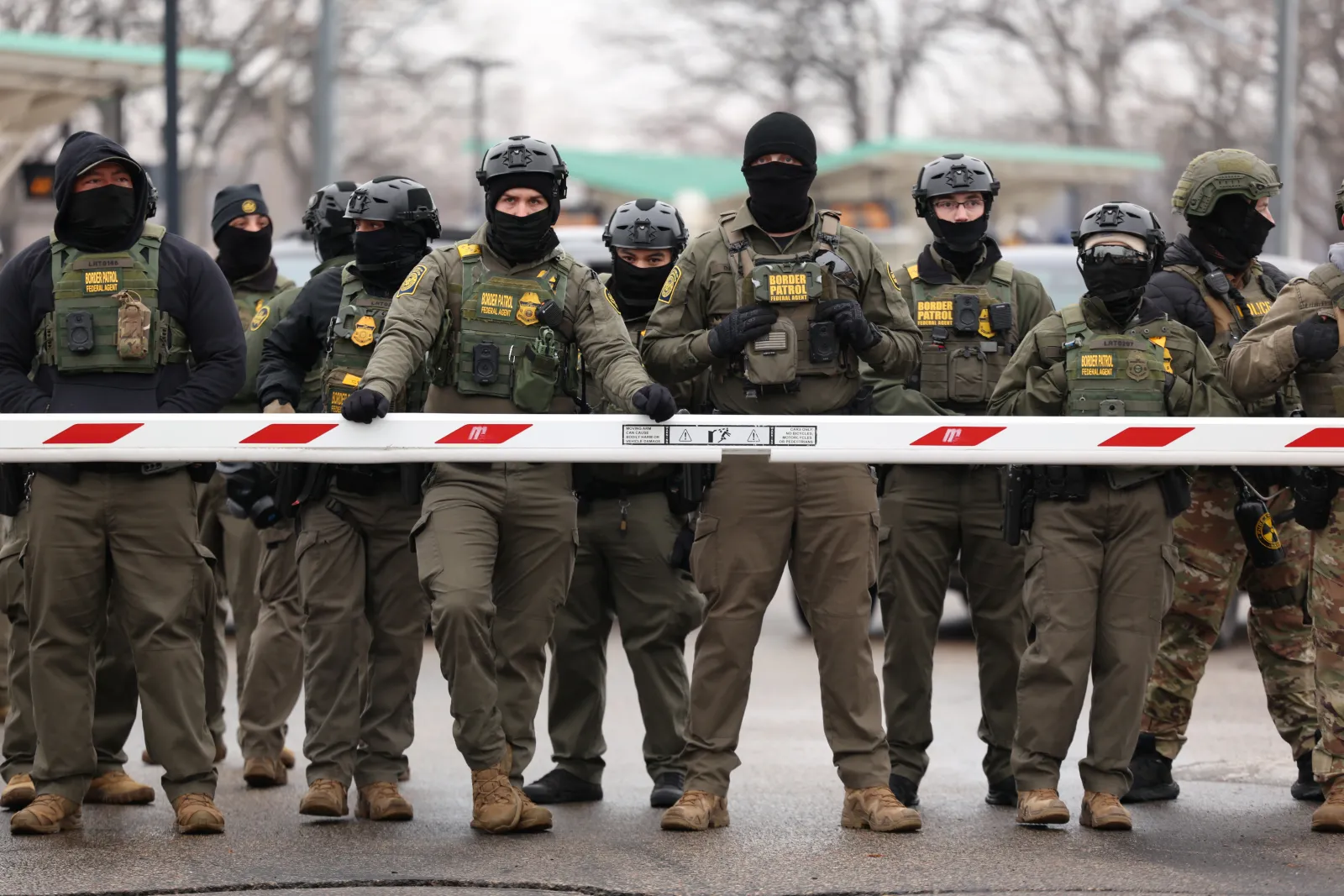
Tribal officials in multiple states have condemned the conduct of Immigration and Customs Enforcement (ICE) agents and urged community members to keep identification on them in case they are stopped.
“You’re not allowed to come terrorize our tribal members on our homeland,” Chase Iron Eyes, an Oglala Sioux member, said during a demonstration in Minneapolis.
In a statement released last week, the Sault Tribe of Chippewa Indians—a federally recognized tribe in Michigan—said ICE had relied on “intimidation and racial profiling,” arguing that the agency’s actions have “created fear, confusion, and anxiety within Indigenous communities and among minority communities more broadly.”
The Department of Homeland Security (DHS) rejected accusations of racial profiling. DHS Assistant Secretary Tricia McLaughlin told Newsweek the allegations were “disgusting, reckless and categorically FALSE,” adding that they had fueled a rise in assaults against immigration officials.
“A person’s immigration status makes them a target for enforcement, not their skin color, race or ethnicity,” McLaughlin said. “Law enforcement uses ‘reasonable suspicion’ to make arrests, as allowed under the Fourth Amendment to the U.S. Constitution.”
Why it matters
The debate has intensified as scrutiny grows around ICE operations in Minneapolis following the killing of Renee Nicole Good, which has drawn attention to enforcement tactics, agent training, and President Donald Trump’s broader immigration crackdown.
NBC News has reported that agents have shot 11 people since September. Separately, a civil rights lawyer told Newsweek in December that dozens of people died in ICE custody during 2025.
What to know
Opposition from Native American communities has increased amid accounts that tribal members were detained without clear justification during immigration operations in Minneapolis.
Last week, Oglala Sioux Tribe President Frank Star Comes Out said several tribal members were being held in ICE custody. On Thursday, however, he walked back that statement, along with earlier assertions that DHS had been uncooperative and had demanded an “immigration agreement” from the tribe in exchange for information about the individuals’ whereabouts.
Star said the tribe was still trying to verify whether the people in question had, in fact, been detained.
McLaughlin disputed the claim that DHS sought any agreement, telling CBS News: “ICE did NOT ask the tribe for any kind of agreement, we have simply asked for basic information on the individuals, such as names and date of birth so that we can run a proper check to provide them with the facts.”
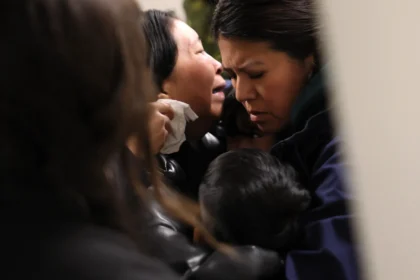
In Minnesota, the Washington Post reported that several Native Americans have been stopped and questioned by agents, including an incident in which a mother said her 20-year-old U.S. citizen son was held in ICE custody for 10 hours.
Accounts like these have prompted tribes in Michigan, Minnesota, and elsewhere to issue guidance for members on how to respond during encounters with immigration officials.
A fact sheet from the Native American Rights Fund, a nonprofit that provides legal assistance to Indigenous peoples in the U.S., advises individuals not to interfere with operations, to record encounters when possible, and to carry either a state-issued ID card or Tribal ID to help prove citizenship.
What people are saying
Ryan Mills, general counsel for the Sault Ste. Marie Tribe of Chippewa Indians, told Bridge Michigan: “Irony maybe is the word, because not only are Native Americans citizens of the state they live in and the tribe they are part of, ultimately … they were here before the government of the United States was created.”
In a letter to Interior Secretary Doug Burgum and DHS Secretary Kristi Noem, Oglala Sioux Tribe President Frank Star Comes Out wrote: “Members of the Oglala Sioux Tribe are United States citizens. We are the first Americans. We are not undocumented immigrants, and we are not subject to unlawful immigration enforcement actions by ICE or Homeland Security.”
What happens next
As demonstrations continue over the fatal shooting of Renee Good, the administration has surged immigration agents into Minneapolis. The president has also threatened to invoke the Insurrection Act and call up the U.S. military to respond to anti-ICE protests.