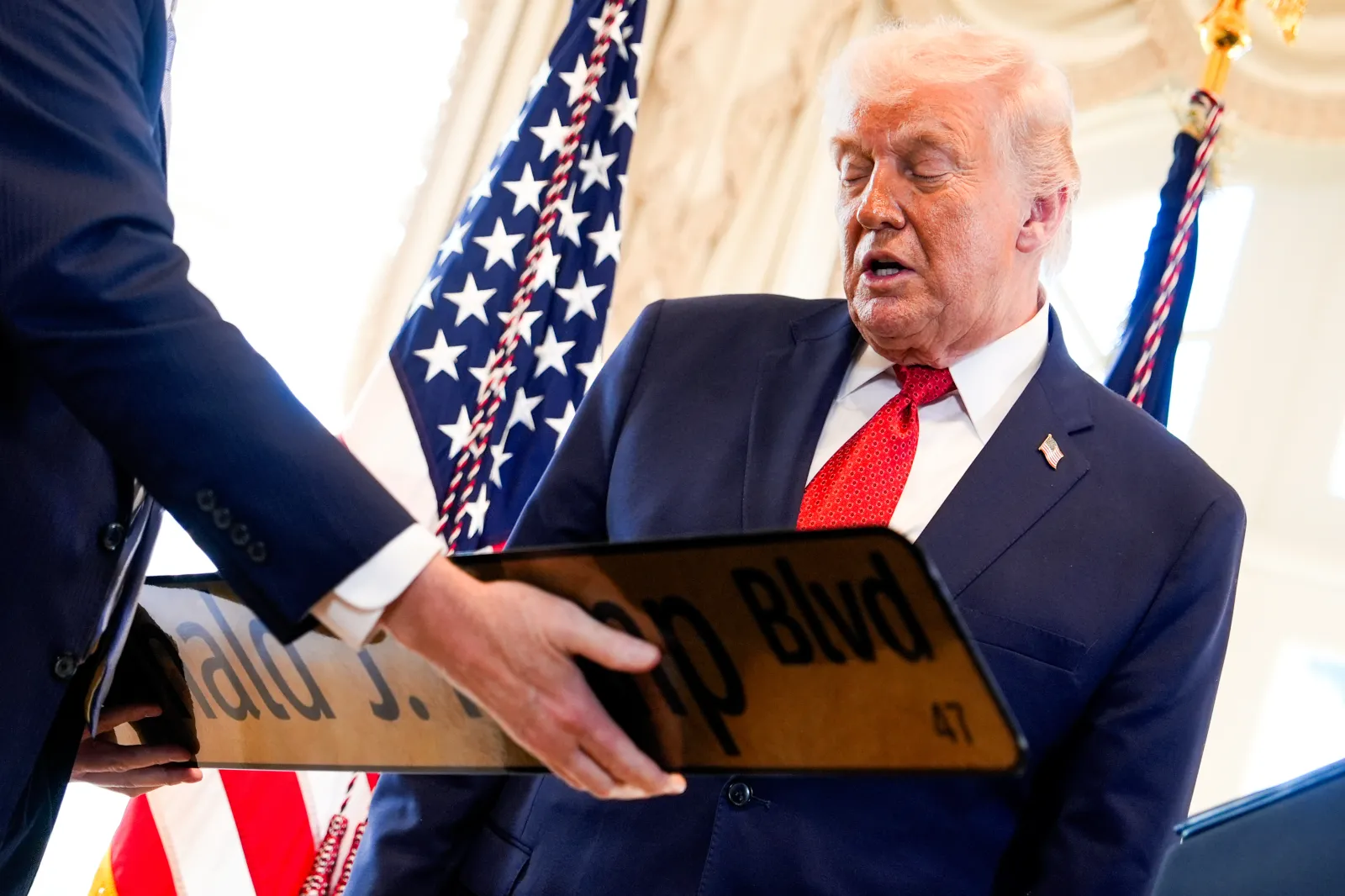

President Donald Trump on January 20, 2026, refused to say how far he is prepared to go to secure U.S. control of Greenland, answering only: “You’ll find out.”
The remark, delivered during a wide-ranging press appearance ahead of global meetings in Davos, immediately rattled European capitals already on edge over Trump’s renewed Greenland push—an effort that has widened into the most serious transatlantic clash in years, according to multiple reports.
Pressure campaign expands beyond diplomacy
In recent days, Trump has framed Greenland as a national security priority tied to Arctic competition, repeatedly citing concerns about Russia and China as he argues the United States needs greater control of the region’s strategic corridors and defenses.
He has also threatened to weaponize trade policy to force cooperation from U.S. allies. Reports describe Trump announcing 10% tariffs targeting multiple European NATO partners beginning February 1, 2026, with a possible escalation to 25% on June 1, 2026, unless Denmark agrees to sell the territory. (TIME)
During the same stretch of comments, Trump suggested he has “other alternatives” if legal challenges limit his ability to use tariffs in the way he intends.
NATO allies prepare contingencies
European officials have publicly rejected any U.S. move to assume control of Greenland, and reports say allies are now working on contingency planning in case Washington takes concrete steps toward acquisition.
Trump has dismissed suggestions that his Greenland threats could endanger NATO cohesion, insisting the alliance would ultimately be “very happy” with the outcome—comments that have only deepened anxiety among governments already worried about what a coercive U.S. posture means for collective defense.
Davos backdrop raises the stakes
Trump’s Greenland campaign moved into sharper focus as he headed to the World Economic Forum on January 21, 2026, where European leaders were expected to confront him directly on the issue.
Reuters reported that Trump planned to raise Greenland in multiple conversations at Davos, despite strong European resistance and limited evidence presented publicly to support the most dramatic threat claims.
What happens next
For now, there is no confirmed U.S. action timeline beyond the tariff deadlines and escalating rhetoric. But Trump’s refusal to rule out extreme measures—paired with trade threats against allies—has prompted renewed debate in Washington and Europe about how to deter escalation without triggering a broader NATO crisis.