
The Trump administration has halted the transfer of critical weapons to Ukraine, including artillery shells and air defense systems, just as the country faces an escalation in Russian missile and drone strikes.
The decision, confirmed by the White House, follows a review of U.S. munitions stockpiles amid concerns they have dropped to dangerously low levels. According to multiple reports, the paused shipments include 155mm artillery rounds, Stinger missiles, Patriot air defense batteries, and Hellfire missiles.
“This decision was made to put America’s interests first,” White House spokeswoman Anna Kelly said in a statement, citing a Department of Defense review. “The strength of the United States Armed Forces remains unquestioned — just ask Iran.”
The move comes at a critical moment for Ukraine. Over the weekend, the country reported that Russia launched a record 537 missiles and drones in a single night, part of what officials described as “massive” and sustained attacks. President Vladimir Putin has shown no interest in ceasefire negotiations despite repeated calls from the U.S. and Europe to allow for peace talks.
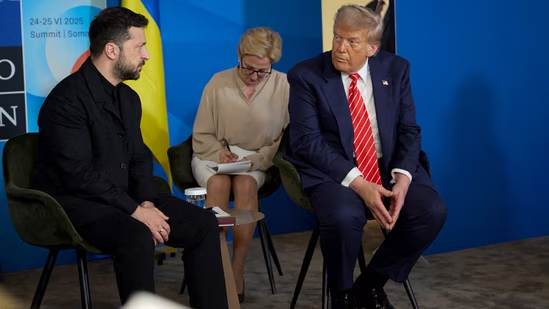
Just days ago, former President Donald Trump said he was considering sending additional Patriot missile systems to Ukraine after what he described as a “good” meeting with Ukrainian President Volodymyr Zelenskyy at a NATO summit in The Hague. There, allied nations pledged to raise defense spending to 5% of GDP, citing Russia as an urgent security threat.
Politico reported that the pause was driven by Elbridge Colby, the Under Secretary of Defense for Policy, who has long warned that the U.S. is overstretched militarily. Colby and Defense Secretary Pete Hegseth have repeatedly urged European nations to take more responsibility for regional security — including the defense of Ukraine.
In a statement, Colby said the Pentagon remains committed to providing Trump with “robust options” for continued military assistance to Ukraine, but emphasized the need to maintain U.S. force readiness and prioritize broader defense goals.
“We are carefully reevaluating how best to support Ukraine while also preserving our ability to respond to other global threats,” Colby said.
Under the Biden administration, the U.S. had used two main pathways to support Ukraine’s war effort: drawing directly from existing U.S. stockpiles and using congressionally approved funds to purchase new weapons. While billions of dollars in previously approved funding remain, production timelines mean many of those weapons won’t be ready for years.
Trump, who has been critical of long-term foreign military commitments, has signaled a willingness to reduce support for Ukraine and has not requested additional aid from Congress since returning to office.