
A fresh jab from Donald Trump — claiming NATO allies didn’t contribute on the frontlines in Afghanistan — has poured fuel on an alliance already shaken by a week of brinkmanship that raised fears about NATO’s very survival.
In Britain, the backlash was immediate. Veterans and political leaders blasted Trump’s remarks as a blatant insult, noting that 457 British troops were killed fighting alongside U.S. forces in Afghanistan. The U.K. prime minister condemned the comments as “insulting and frankly appalling.”
But Trump has approached his second term with swagger and a sharper edge toward America’s traditional partners. It hasn’t just been rhetorical antagonism — he has also floated the threat of military force.
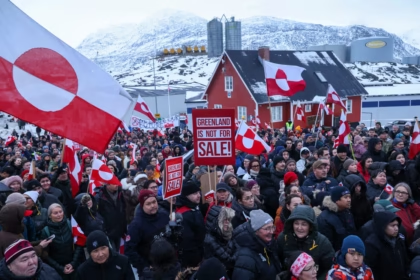
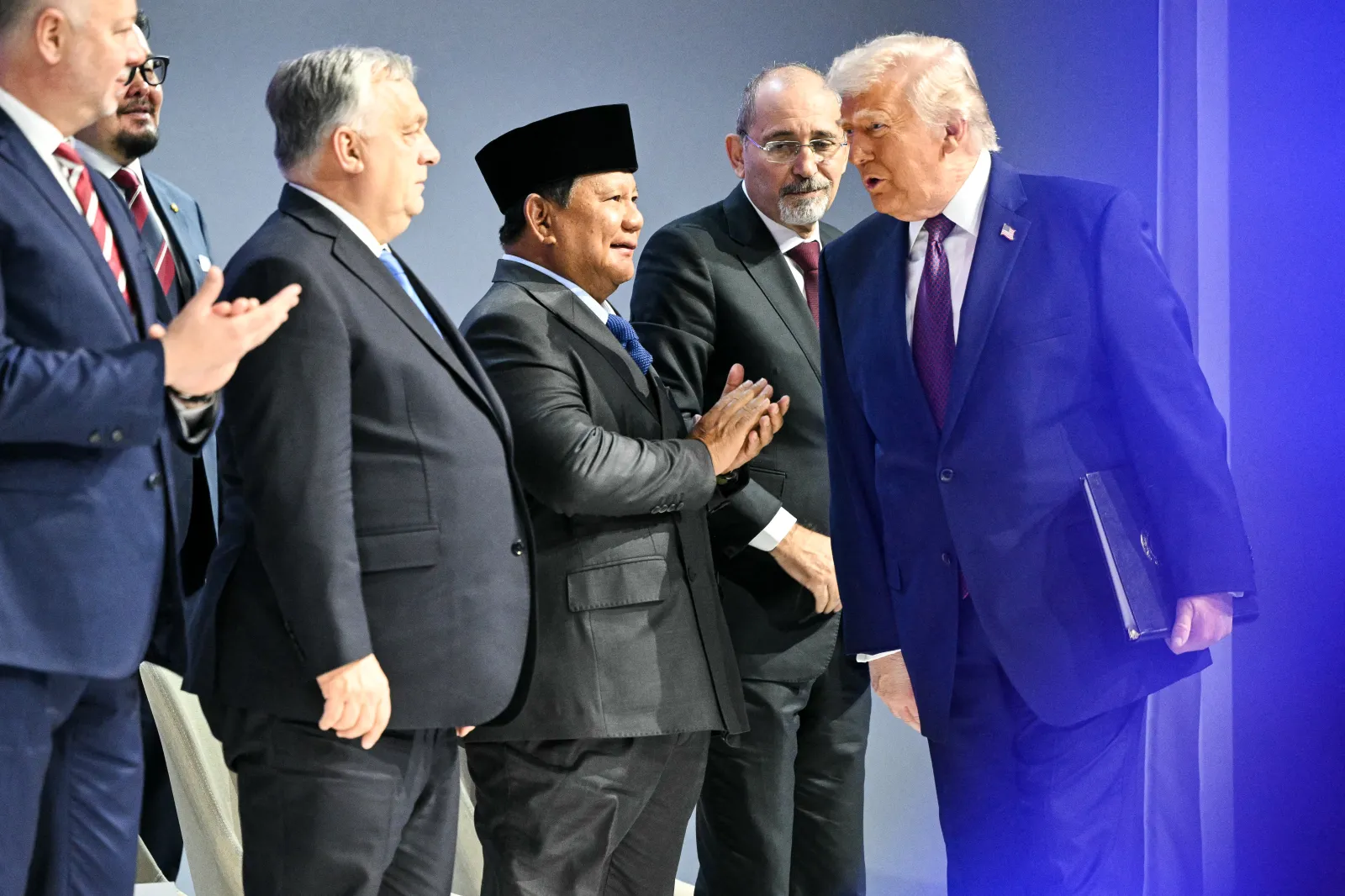
After removing Venezuela’s leader, Nicolas Maduro, Trump quickly shifted his focus to Greenland — a territory belonging to Denmark, a long-time U.S. ally and NATO member. Despite repeated warnings from Europe, Trump arrived at the World Economic Forum in Davos this week insisting that U.S. acquisition of Greenland was effectively inevitable.
A deal was ultimately reached. Still, European officials and analysts say the alliance won’t soon forget the hostile economic and military threats that preceded the agreement.
Trump’s actions this week “permanently and irrevocably damaged the NATO alliance,” said Andrew Fox of the London-based Henry Jackson Society.
Greenland Framework Achieved — but the Damage Lingers
Trump stepped back from imposing additional tariffs on eight European countries after reaching what was described as a “framework of a future deal” with NATO chief Mark Rutte.
That framework is expected to allow expanded U.S. military activity under an updated interpretation of a 1951 agreement.
Reports say NATO officials discussed the U.S. obtaining sovereignty over land for military bases — an arrangement that could resemble the U.K.’s setup in Cyprus, where Britain operates bases on land regarded as U.K. territory. Under that kind of model, the U.S. could control bases independently of the NATO alliance, with rights that could not be revoked by either NATO or Denmark.
Analysts argue the end result may deliver only marginal new U.S. leverage in the Arctic — at an enormous political cost.
“While details of the announced understanding between the NATO Secretary General and President Trump on Greenland remain unclear, real political scar tissue will linger,” said Roger Hilton, a defense research fellow at Slovakia-based think tank GLOBSEC.
NATO Trust, Cracked
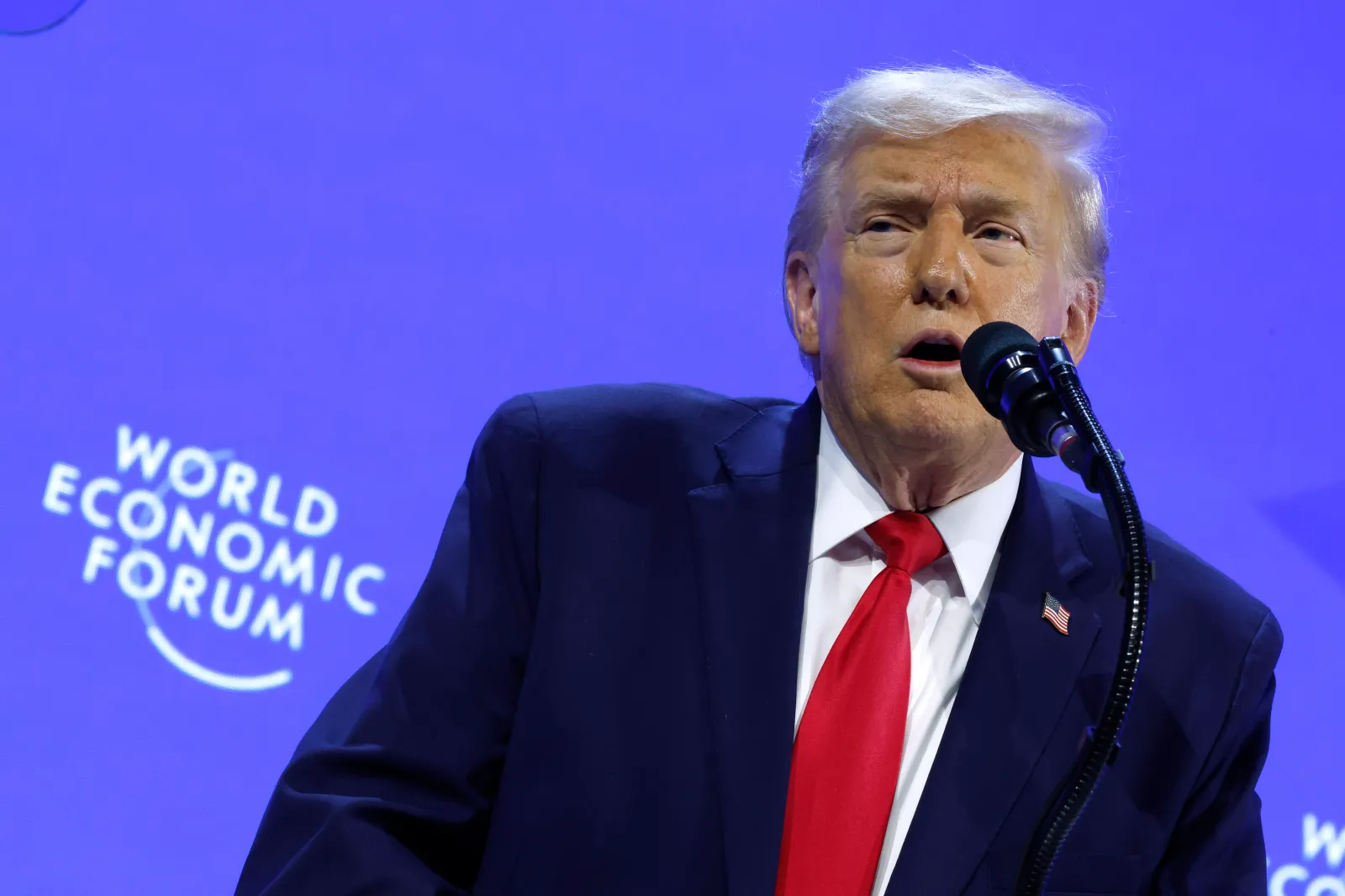
At Davos, Trump repeatedly downplayed NATO members’ commitment to collective defense — even as European countries have increased defense spending over the past year.
Those attacks, analysts say, strike at the alliance’s foundation: trust in its biggest member. With Trump hinting for weeks that he might use military action against Denmark to seize Greenland, he “single-handedly shattered the most successful alliance in history,” one that has held since World War II.
“Alliances are built on trust, and Mr Trump’s unwarranted, relentless verbal attacks and threats against NATO allies have shattered that trust,” said Fox, a British military veteran who served in Afghanistan.
“It is now unthinkable that the US might respond to Article 5 in the event of a further Russian incursion into Eastern Europe,” he said, referring to NATO’s core principle that an attack on one member is treated as an attack on all.
That principle was the basis for the U.K. and other allies joining the U.S. in Afghanistan and Iraq after 9/11.
Fox argued NATO may endure — but weakened. “NATO will continue in zombie form, but European nations will now look elsewhere for their defense,” he said, adding that U.S. popularity has fallen so sharply that European electorates would resist sending troops to defend America.
“A Rupture” in the Old Order
Earlier in the week, Canadian Prime Minister Mark Carney told a Davos audience the old-world order was in the “midst of a rupture,” urging middle-power democracies to recalibrate relationships with the world’s strongest states.
He did not name the U.S., but warned against great powers weaponizing economic pressure and undermining a rules-based international system.
“The middle powers must act together, because if we’re not at the table, we’re on the menu,” he said — drawing a standing ovation.
U.S. politics expert Mark Shanahan, an associate professor at the University of Surrey in England, said Trump’s Davos posture should be taken as a serious warning for NATO and other multilateral institutions.
“We must now consider a post-NATO world,” Shanahan said, adding that “different coalitions for different issues” may replace old assumptions — because the West can no longer treat America as a guaranteed ally.
Hilton said Trump’s repeated questioning of whether allies would defend each other — whether a negotiating tactic or not — hits at NATO’s core credibility. And while it weakens both U.S. and European security, he warned, it strengthens America’s adversaries.
“The Alliance rests as much on credibility and shared political commitment as on treaties, and those comments degrading both were undoubtedly music to the ears in the Kremlin,” Hilton said.
The “Board of Peace” Controversy
Trump also unveiled his controversial “Board of Peace” at Davos on Thursday. First framed as part of his Gaza peace plan, it has since expanded — and analysts now describe it as something resembling a rival to the United Nations.
Trump’s invitation to Russian President Vladimir Putin to join the Board of Peace sparked fresh criticism from U.S. allies.
The U.K. declined an invitation, citing that element alone.
Russia says it is examining the invitation, but Putin wants to meet the $1 billion price tag Trump is demanding from Russian sovereign assets frozen in the U.S.
Analysts say placing an adversary inside a body meant to oversee global peace adds to fears Trump may tilt toward Putin in any future Ukraine negotiations — a war triggered by Moscow’s invasion.
In their view, the pattern is becoming clearer: Trump is extending courtesies to old foes while publicly attacking old friends. And that, they argue, is exactly what has rattled NATO capitals.
Trump’s remarks that he felt slighted for not receiving a Nobel Peace Prize — and therefore felt, “I no longer feel an obligation to think purely of peace” — only deepened the anxiety.
“The long-awaited NATO obituary will have to wait,” Hilton said. “But there is no minimizing that the latest episode of transatlantic turbulence ahead of Davos pushed the Alliance into its most serious political stress test in decades.”