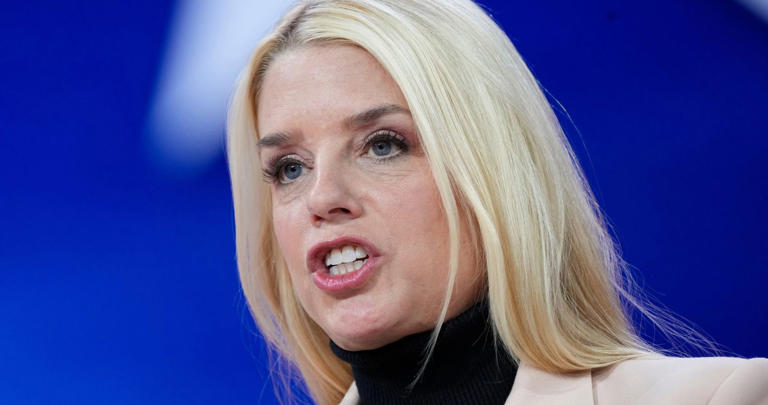

Attorney General Pam Bondi told lawmakers on February 11, 2026 that the Justice Department has “pending investigations” connected to the Jeffrey Epstein matter, but she declined to provide specifics about who is being scrutinized or what those inquiries involve.
Bondi’s comment came during a combative House Judiciary Committee oversight hearing, where members from both parties pressed her about the government’s handling of the Epstein files and whether additional prosecutions could follow. Under questioning from Republican Rep. Chip Roy, Bondi referenced the “pending investigations,” a statement that CBS noted appeared to cut against earlier public remarks attributed to Deputy Attorney General Todd Blanche suggesting no new prosecutions were likely based on the department’s review of the material.
The “pending investigations” remark also lands amid lingering confusion over what, exactly, the government believes the files do—or don’t—support. A July 2025 DOJ/FBI memorandum described an “exhaustive review” and said investigators found no “client list” and “did not uncover evidence that could predicate an investigation against uncharged third parties.”
The latest clash is part of a broader political fight that intensified after Congress passed the Epstein Files Transparency Act, which President Donald Trump signed on November 19, 2025. The law set a Dec. 19 deadline for disclosure, though DOJ has said it is publishing materials in large batches and with redactions, citing the scale of the records and the need to protect victims’ identities.
Victims and lawmakers have repeatedly faulted the department’s rollout—especially after disclosures that revealed sensitive victim-identifying information. At the hearing, Democratic lawmakers pressed Bondi to address survivors directly; according to TIME, survivors in the room indicated they still hadn’t met with DOJ, and Bondi declined to turn and apologize to them, while offering a general statement that she was “deeply sorry” for what victims endured.
Bondi largely avoided details about next steps in the Epstein matter, frequently invoking redactions, privilege, or process—leaving lawmakers to signal that the dispute may continue through subpoenas, further hearings, and demands for more transparency about what DOJ has and what it intends to do with it.