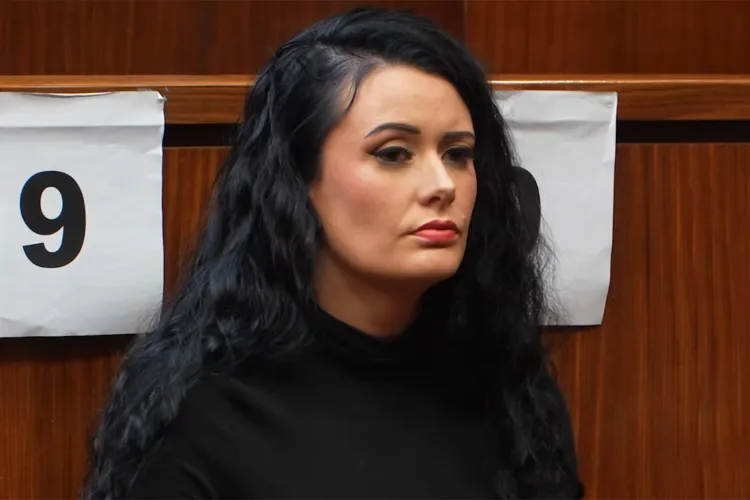

A former preschool teacher convicted of murdering her 4-year-old stepdaughter told a South African court that she believed the child was “better off dead” as she pleaded for leniency ahead of sentencing.
Amber-Lee Hughes, 26, testified Wednesday during sentencing proceedings in the High Court’s Gauteng Division in Johannesburg, according to local reports.
Hughes was convicted in August 2025 of the premeditated murder and rape of Nada-Jane Challita, her learner and stepdaughter, according to a statement previously released by the National Prosecuting Authority.
The child was killed on Jan. 23, 2023, while in Hughes’ care, reports said.
According to prosecutors, Hughes admitted to drowning the child following an emotional dispute with the girl’s father over his infidelity.
While she said she was fully aware of her actions, Hughes cited a diagnosis of Borderline Personality Disorder and described multiple failed suicide attempts afterward.
She denied the rape charge, saying she did not know how the child sustained vaginal injuries. A pathologist testified earlier that the girl had a fresh wound consistent with the insertion of a small object shortly before death.
The court rejected Hughes’ denial, citing her admission that she was alone with the child in the hours leading up to the drowning.
During her testimony in mitigation of sentence, Hughes said she believed taking the child’s life was an attempt to save her from what she described as neglect.
“I thought that it would have been better if Nada was dead than to just be with her father,” Hughes testified, according to local reports.
She also expressed remorse.
“I regret what happened that day. I think about it nearly every day while I’ve been incarcerated,” Hughes told the court. “At the time, I thought it was her best option.”
Prosecutors challenged whether Hughes’ claims about the child’s living conditions were relevant to sentencing mitigation, reports said.
Judge Richard Makhabela also questioned how the testimony related to mitigation after Hughes admitted drowning the child.
Proceedings are expected to continue with the state’s cross-examination.