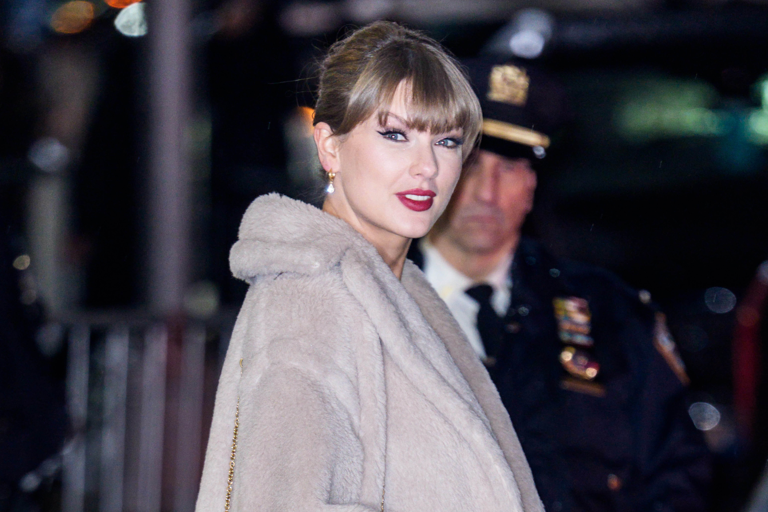

The traditional blueprint for American ultra-wealth, long dominated by Silicon Valley’s “move fast and break things” ethos, is undergoing a historic structural shift. As of early 2026, the United States is home to a record 154 female billionaires, but the most aggressive growth is no longer coming from software or semiconductors. Instead, a new vanguard of “cultural entrepreneurs” from the entertainment and lifestyle sectors is outstripping tech-led fortunes in both growth velocity and brand permanence.
For decades, the path to the ten-figure club for women was paved with either inheritance or a seat at a founding tech table. Today, the “Pop Industry” — a multi-sector hybrid of music, cosmetics, and direct-to-consumer (DTC) retail — has emerged as the most potent engine for female self-made wealth.
The New Wealth Hierarchy: Icons Over IPOs
While the tech sector continues to grapple with a persistent venture capital gap — where female-only founding teams still receive less than 3% of total funding — pop icons have bypassed traditional gatekeepers by leveraging massive digital footprints into diversified empires.
The shift is most visible in the 2026 net worth updates for the industry’s Big Three:
- Taylor Swift: Now valued at $1.6 billion, Swift became the first musician to reach billionaire status primarily through music and touring. Her wealth is anchored by a $600 million catalog and her record-breaking Eras Tour royalties.
- Rihanna: Maintaining a fortune of $1.4 billion, Rihanna’s wealth story is a masterclass in the “Pop-to-Profit” pivot. Nearly 70% of her net worth is tied to her ownership in Fenty Beauty and Savage X Fenty, rather than music sales.
- Beyoncé: Officially joining the billionaire ranks in late 2025, Beyoncé’s $1 billion valuation reflects a strategic expansion into country music (Cowboy Carter) and high-margin global touring.
Breaking the “Silicon Ceiling”
The ascent of these cultural moguls highlights a stark contrast with the tech industry. According to recent 2026 wealth distribution data, the average wealth of female billionaires is growing at 8.4% annually — nearly double the rate of their male counterparts. Much of this is driven by “Self-Made” status; in the U.S., roughly 70% of billionaires are now classified as self-made, with women in consumer-facing industries leading the charge.
“The pop industry provides a level of autonomy that the VC-backed tech world often denies women,” says Marcus Thorne, a senior wealth analyst. “A pop star owns her brand, her audience, and increasingly, her masters and supply chains. In tech, you’re often diluted by the time you reach an IPO. In pop, you’re the IPO.”
Comparative Wealth: Self-Made Women in 2026
The following table illustrates the diversification of wealth among the top-tier self-made American women as of Q1 2026:
| Rank | Name | Net Worth | Primary Industry | Source of Wealth |
| 1 | Diane Hendricks | $22.3 B | Construction | Building Supplies |
| 2 | Judy Faulkner | $7.8 B | Technology | Healthcare Software |
| 3 | Oprah Winfrey | $3.1 B | Media | TV & Investments |
| 4 | Kim Kardashian | $1.7 B | Retail | Shapewear (Skims) |
| 5 | Taylor Swift | $1.6 B | Entertainment | Music & Touring |
| 6 | Rihanna | $1.4 B | Cosmetics/Music | Fenty Beauty |
The Great Wealth Transfer and the Look Ahead
While the “Pop Pivot” dominates the headlines, a secondary wave of wealth is rising from the “Great Wealth Transfer.” Analysts estimate that $5.9 trillion will be inherited by billionaire heirs over the next 15 years, with women expected to control a significant portion of these investable assets by 2030.
However, the 2026 narrative belongs to the creators. As the 154 women on this list continue to diversify into AI-driven fashion, sustainable beauty, and fintech, the line between “celebrity” and “CEO” has effectively vanished. The next frontier for this group isn’t just maintaining wealth — it’s the systematic acquisition of the very infrastructure (stadiums, streaming platforms, and manufacturing hubs) that previously took a percentage of their earnings.
The message for the next generation of American entrepreneurs is clear: the most valuable asset in 2026 isn’t a patent—it’s the power of the platform.