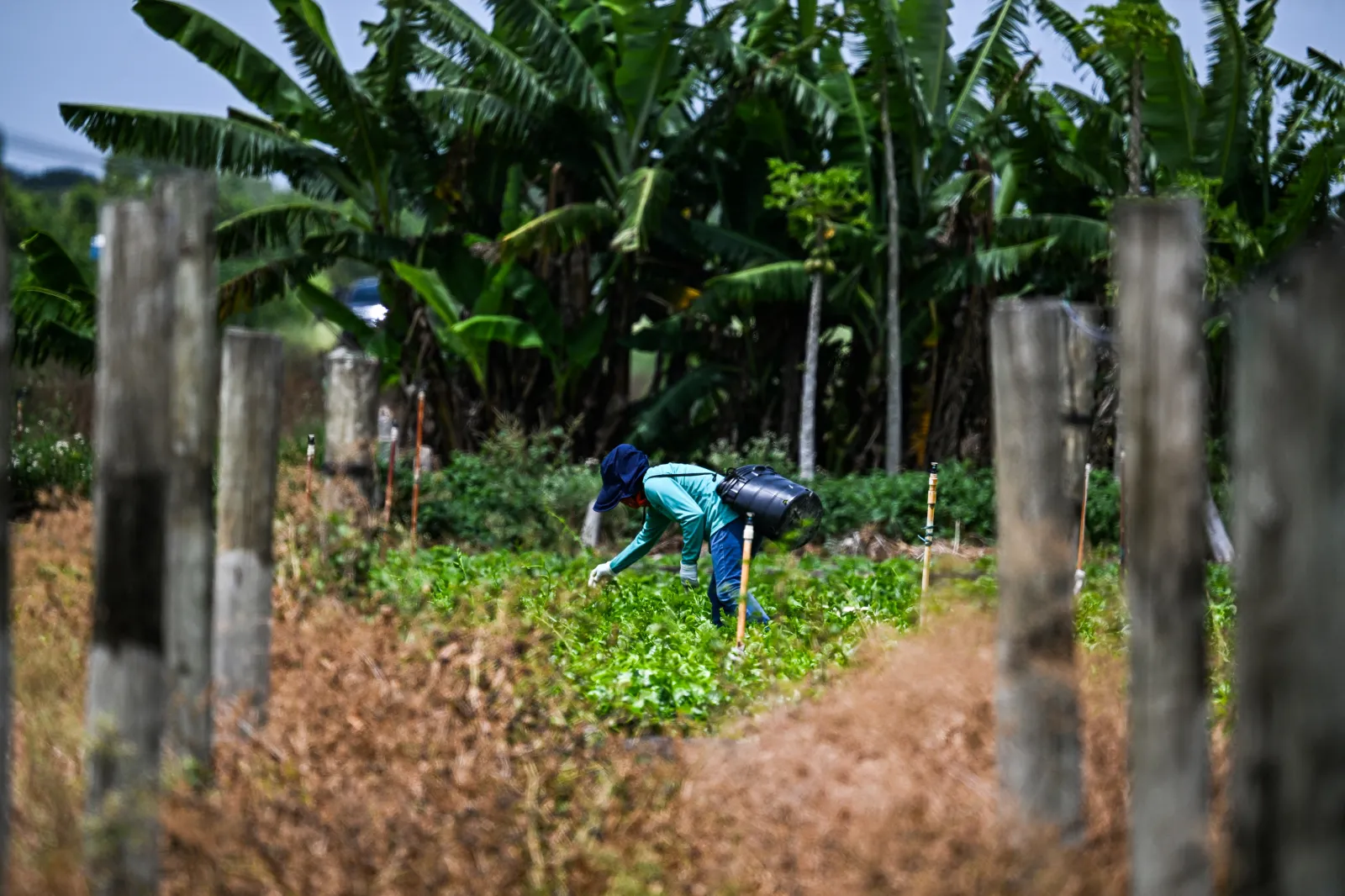

RIVERSIDE, CA — A growing labor crisis is paralyzing the American agricultural heartland as intensified immigration enforcement triggers widespread fear, “massive absenteeism,” and decaying harvests across the West Coast.
Following the Trump administration’s aggressive mass deportation strategy, which the Department of Homeland Security (DHS) reports has led to nearly 3 million undocumented immigrants leaving the U.S., the backbone of the nation’s food supply is fracturing. In California and Oregon, the two states most reliant on migrant labor, farmworkers describe a landscape of “constant uncertainty” and “paranoia” that has moved from the fields into their homes.
The Human Toll of Enforcement
Of the estimated 2.4 million agricultural workers in the United States, approximately 50% lack legal immigration status, according to U.S. Department of Agriculture (USDA) data. For these workers, the risk of “self-deportation” or formal removal has been exacerbated by reports of federal agents fatally shooting three U.S. citizens during recent enforcement operations.
In Riverside County, California, one farmworker—speaking on the condition of anonymity—described a life lived in the shadows. “I’d rather be sent to Mexico than get hurt or die,” she told reporters, alleging that racial profiling has become a standard tactic for federal agents, a claim the DHS has repeatedly denied.
The psychological impact is trickling down to the next generation. Workers report that children have witnessed raids near school zones, while indigenous-language speakers are now relying on community members to deliver basic necessities like groceries and medicine to avoid leaving their homes.
Economic Fallout: Rotting Crops and Labor Shortages
The shift from “essential worker” status during the pandemic to the target of enforcement is manifesting in severe economic disruptions. The University of California, Davis, estimates that while California reporting shows 413,000 full-time equivalent jobs, the state actually requires roughly 850,000 unique workers annually to manage seasonal cycles.
| Region | Reported Impact | Economic Contribution (Undocumented) |
| Ventura County, CA | Up to 70% worker absenteeism | Part of $8.5B state/local tax pool |
| Oregon (General) | Grapes, blueberries, peaches left to rot | $2.1B state/local tax contribution |
| Imperial County, CA | Reduced hours; supervisors escorting staff | Critical to date palm harvests |
In Oregon, where the farmworker-household population reaches 173,000, the lack of labor has led to entire grape harvests rotting in the fields. “There is no sense of normality anymore,” an Oregon worker stated, describing how families now scan the roads for “suspicious cars” with dark windows, fearing they are ICE transport vehicles.
The Pivot to H-2A Visas
As the resident undocumented workforce shrinks, the federal government is pushing for a total overhaul of the H-2A guest-worker visa program. In October, the administration updated the program to accelerate approvals, aiming to replace the informal labor pool with temporary legal contracts.
A USDA spokesperson defended the crackdown, stating, “President Trump is putting America First… Our immigration system has been broken for decades, and we finally have a President who is enforcing the law and prioritizing fixing programs farmers and ranchers rely on.”
However, for the workers currently in the fields, the transition is marked by stagnant wages and shrinking opportunity. Two out of three workers interviewed reported no pay increases since January 2025, even as the cost of living remains high.
Looking Ahead
The sustainability of the U.S. food supply chain now hinges on whether the H-2A program can scale fast enough to compensate for the “massive absenteeism” reported in major agricultural hubs. With billions in tax revenue at stake and harvest seasons approaching, the tension between national security enforcement and agricultural necessity shows no signs of abating.