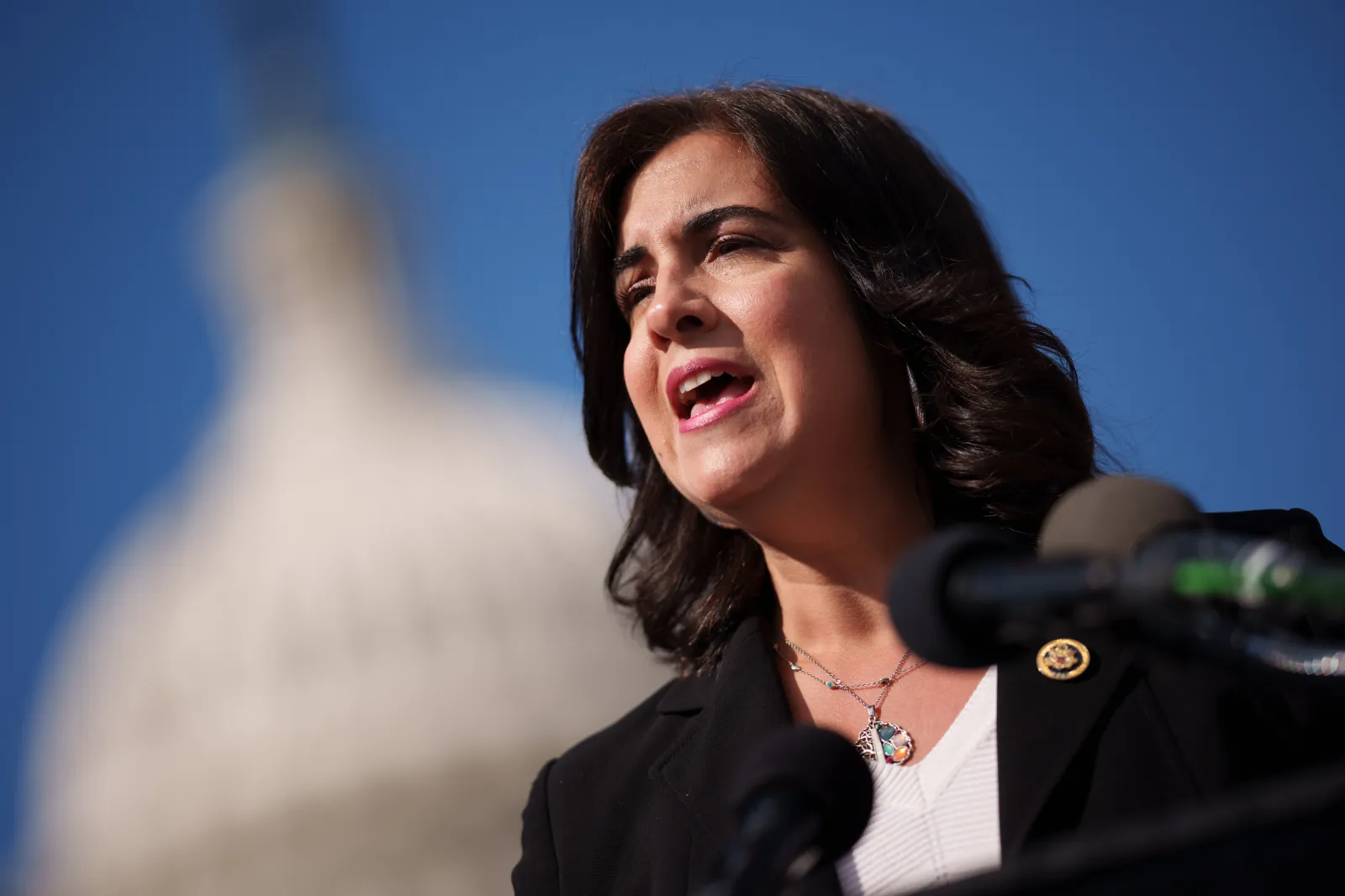

WASHINGTON — In a high-stakes intervention with national political implications, the U.S. Supreme Court issued an emergency stay on Monday, blocking a state court order that would have forced New York to redraw the boundaries of its only Republican-held congressional district in New York City. The decision, split along ideological lines, preserves the current map for the 11th Congressional District ahead of the 2026 midterm elections, handing a significant procedural victory to Rep. Nicole Malliotakis (R-NY) and the Republican National Committee.
High Court Intervenes as Election Calendar Commences
The conservative majority’s move pauses a lower court ruling that had labeled the district’s current configuration—encompassing Staten Island and parts of southern Brooklyn—an unconstitutional dilution of minority voting power.
By halting the redistricting process now, the Supreme Court ensures that the 2026 races will likely proceed under existing lines, as candidate qualifying in New York has already begun. The Court’s brief order did not provide an exhaustive legal rationale, a common practice for emergency “shadow docket” applications, but the move effectively freezes the status quo while the broader legal challenge plays out.
Allegations of Voter Dilution and “Unadorned Discrimination”
The original case centered on claims that the 11th District’s boundaries violated the New York Constitution by unfairly splitting communities of interest and diminishing the influence of Black and Hispanic voters. A state judge had previously sided with plaintiffs, ordering the state’s Independent Redistricting Commission to draft a more representative map.
However, Justice Samuel Alito, writing separately in support of the stay, offered a sharp rebuke of the lower court’s logic. Alito argued that the mandate to redraw lines based primarily on racial demographics was problematic.
“The lower court’s reliance on race in ordering a new map amounts to ‘unadorned racial discrimination’ that conflicts with the U.S. Constitution,” Alito wrote.
Comparative Voter Demographics: NY-11 vs. Proposed Changes
| Group | Current District (Approx.) | State Court Proposed Goal |
| White | 62% | 54% |
| Hispanic | 18% | 22% |
| Asian | 14% | 16% |
| Black | 5% | 7% |
Liberal Justices Warn of Federal Overreach
The Court’s three liberal justices—Sonia Sotomayor, Elena Kagan, and Ketanji Brown Jackson—dissented vigorously. Justice Sotomayor argued that the majority violated its own precedent, which typically cautions federal courts against interfering with state election laws so close to an active election cycle.
Sotomayor highlighted that the intervention was premature, as New York’s highest court had not yet had the opportunity to review the state-level ruling. She characterized the majority’s action as an “unprecedented use of emergency authority” that undermines state sovereignty in managing its own electoral processes.
National Stakes: The Battle for House Control
The New York ruling is not an isolated event but a critical piece of a national redistricting puzzle. With the GOP holding a razor-thin majority in the U.S. House of Representatives, every seat in a “blue” state like New York is vital for Republican retention of the gavel.
- Texas & California: The Supreme Court has recently allowed revised maps in both states to stand pending further litigation, despite claims of partisan gerrymandering from both sides.
- The “Trump Factor”: This legal skirmish follows a period of intense redistricting activity where both parties have sought to maximize geographic advantages through litigation and legislative maneuvers.
As the litigation continues, the immediate impact is clear: Rep. Malliotakis will defend her seat on familiar terrain, and the GOP avoids a chaotic mid-cycle scramble in one of the nation’s most expensive media markets.