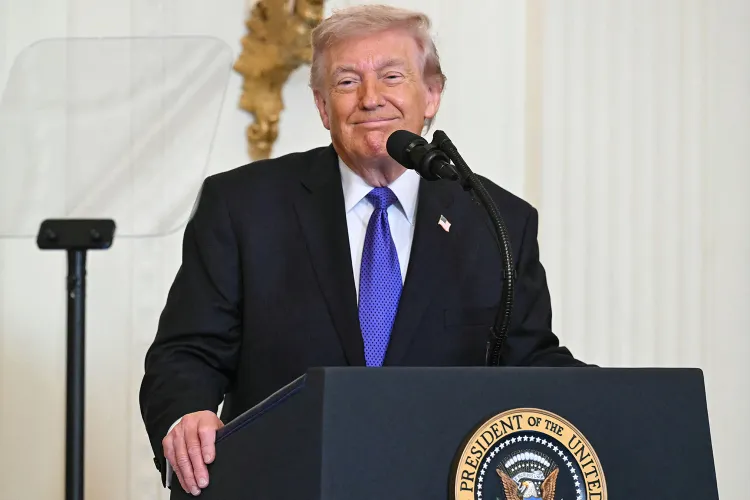

President Donald Trump signaled a highly unconventional approach to military strategy Friday, telling Fox News that he will rely on his own intuition rather than specific military benchmarks to determine when the burgeoning war with Iran has reached its conclusion.
The remarks come at a precarious moment for the administration. As the conflict enters its second week, the human and economic costs are mounting: 13 U.S. servicemembers have been confirmed dead, and a preliminary military investigation has linked a U.S. strike to the deaths of at least 160 children at an Iranian elementary school.
‘When I Feel It In My Bones’
During an interview on The Brian Kilmeade Show, the President was pressed on the criteria for a ceasefire or a declaration of victory. When asked how he would identify the end of the conflict, Trump provided a response that bypassed traditional diplomatic or tactical milestones.
“When I feel it,” Trump told Kilmeade. “When I feel it in my bones.”
When questioned further on whether the decision would be a collaborative effort with his joint chiefs or cabinet, the President emphasized his reliance on a close circle of advisors—including “Pete” (Secretary of Defense Pete Hegseth) and Senator Marco Rubio—but ultimately centered the decision-making power on himself.
“I let them speak their mind, and they do,” Trump said of his cabinet. “And we have some differences, but they never end up being much. I convince them all to let’s do it my way.”
A Conflict Under Scrutiny
The President’s characterization of the war as a “little excursion” stands in stark contrast to the volatility currently shaking global markets. Attacks on oil tankers in the Strait of Hormuz have sent energy prices soaring, contributing to a period of intense instability on Wall Street.
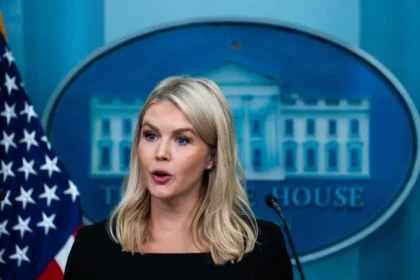
The administration is also facing a bipartisan wave of criticism regarding its communications strategy. Conflicting messages regarding the war’s objectives have emerged from the White House, often within the same press briefing, leading to concerns over the lack of a defined “end state” for the military engagement.
The Strategic Vacuum
The President’s “intuitive” approach marks a significant departure from the doctrines of his predecessors. While former presidents often navigated public disagreements between high-level advisors—such as the friction between Caspar Weinberger and George Shultz under Reagan—Trump indicated that his leadership style favors total alignment with his personal instincts.
As the death toll rises and the investigation into the elementary school strike continues, the President’s comments are likely to fuel concerns in Congress regarding the lack of formal metrics for success in a region historically prone to “forever wars.”