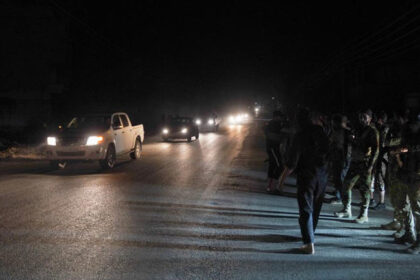

The Pentagon has identified the six U.S. service members killed Thursday when a KC-135 Stratotanker crashed in western Iraq during a combat mission. The deceased include a newly promoted major from Alabama and five airmen from Washington, Kentucky, and Ohio, marking a significant loss for the U.S. Air Force’s refueling community.
U.S. Central Command (CENTCOM) confirmed the aircraft was operating in “friendly” airspace, supporting ongoing operations against Iranian interests, when an “unspecified incident” occurred involving a second aircraft. While the second plane landed safely, the tanker went down with no survivors. Military officials have explicitly ruled out hostile or friendly fire as the cause, though a formal investigation into the midair mechanics remains active.
The Fallen: 6th Air Refueling Wing (MacDill AFB)
Three of the service members were assigned to the 6th Air Refueling Wing at MacDill Air Force Base in Florida.
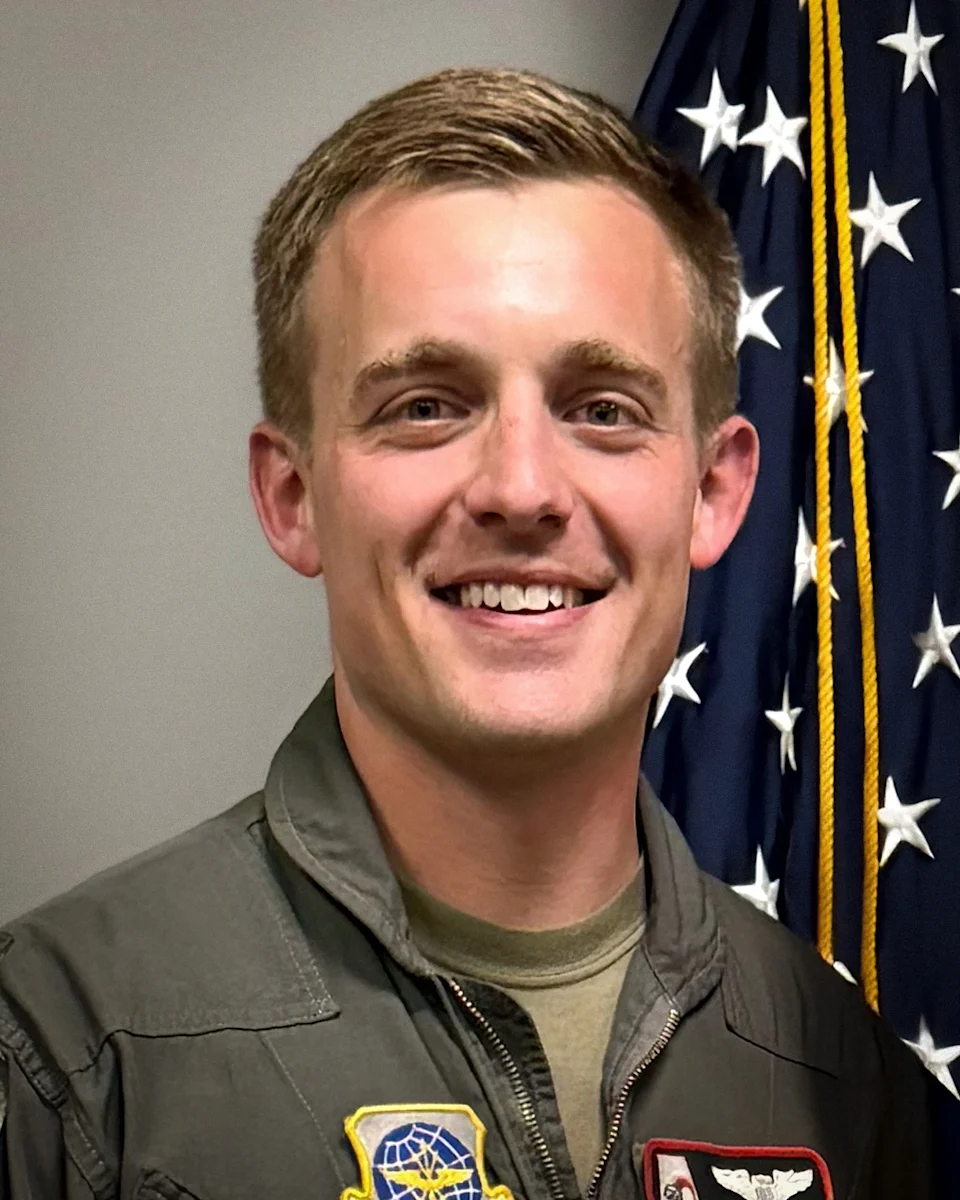
- Major Alex Klinner, 33: A resident of Birmingham, Alabama, Klinner had been promoted to major in January and was less than a week into his deployment when the crash occurred. An eight-year veteran and Auburn University alumnus, he is survived by his wife, Libby, and three young children, including seven-month-old twins.
- Capt. Ariana Savino, 31: A native of Covington, Washington.
- Tech. Sgt. Ashley Pruitt, 34: A native of Bardstown, Kentucky.
Alabama Governor Kay Ivey noted that although assigned to MacDill, the members of the 6th Wing were stationed in Birmingham as part of a joint regional presence.
The Fallen: 121st Air Refueling Wing (Rickenbacker ANGB)
The remaining three casualties were members of the 121st Air Refueling Wing based at Rickenbacker Air National Guard Base in Columbus, Ohio.
- Capt. Seth Koval, 38: An aircraft commander with 19 years of service. A Purdue University graduate, Koval previously served in the Indiana National Guard before transferring to the Ohio unit in 2017.
- Capt. Curtis Angst, 30: A pilot with a decade of service and a graduate of the University of Cincinnati.
- Tech. Sgt. Tyler Simmons, 28: A boom operator responsible for the precision task of midair fuel transfer. His family, in a statement released through local media, described him as a man whose “smile could light up any room.”
Investigation and Strategic Context
The KC-135 Stratotanker is the backbone of U.S. aerial dominance, providing the midair refueling necessary for long-range surveillance and strike capabilities. Without these “flying gas stations,” U.S. operations across the expansive Middle Eastern theater would be severely limited.
CENTCOM’s disclosure that the mission was “supporting operations against Iran” underscores the heightened state of readiness and the high-stakes environment in which these crews operate. While the crash occurred in western Iraq—territory considered secure from insurgent threats—the complexity of night-time refueling and multi-aircraft coordination presents inherent risks.
“Alex was one of those guys that had this steady command about him,” said James Harrill, Klinner’s brother-in-law. “He was literally one of the most kindest, giving people.”
The Air Force has not yet released a timeline for the completion of the accident investigation board’s findings. For now, the focus remains on repatriating the remains of the fallen and supporting the families left behind.