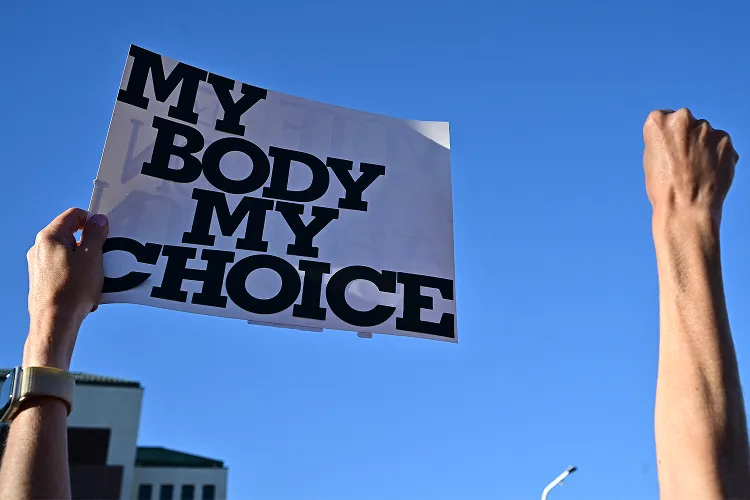

Governor Mark Gordon signed a restrictive “heartbeat ban” into law on March 9, making Wyoming the fifth U.S. state to prohibit abortion once cardiac activity is detected. The legislation, which effectively bans the procedure after approximately six weeks of pregnancy, arrives amid a wave of state-level restrictions following the 2022 reversal of Roe v. Wade.
Despite signing the bill (HEA 29), Governor Gordon issued a stark warning regarding its viability. In a letter to lawmakers and subsequent statements, the Republican governor characterized the act as a “fragile legal effort” likely to be overturned by the courts rather than establishing “durable policy.”
Key Provisions and Omissions
The new law restricts abortion at a stage before many individuals are aware of their pregnancy. While the legislation includes a narrow exception to “preserve the woman from an imminent peril” to her life or physical health, it notably excludes exceptions for pregnancies resulting from rape or incest.
Governor Gordon identified this lack of exceptions as an “unfortunate flaw,” noting that it deviates from his personal pro-life stance which typically supports protections for vulnerable populations in cases of sexual assault.
:max_bytes(150000):strip_icc():focal(749x0:751x2):format(webp)/Wyoming-Gov-Mark-Gordon-testifies-during-the-House-Natural-Resources-Committee-hearing-031126-63ee1d4b8e134ea492796679d8dc3af1.jpg)
A Growing National Divide
Wyoming now joins Florida, Georgia, Iowa, and South Carolina in implementing six-week bans. These states represent a middle tier of restriction compared to the 13 states—including Texas, Alabama, and Tennessee—that have enacted near-total bans on the procedure.
The move marks a significant shift in Wyoming’s legal landscape, which has seen repeated attempts to restrict reproductive rights since the Supreme Court’s Dobbs decision ended federal abortion protections.
Imminent Legal Challenges
Opponents of the ban have already signaled their intent to sue. Julie Burkhart, president of Wellspring Health Access, called the law an “attack on Wyomingites’ constitutional freedom.”
“It puts the health and well-being of our communities at risk,” Burkhart said in a statement. Her organization, which operates one of the few clinics in the region, confirmed it is prepared to challenge the constitutionality of the ban through the court system.
:max_bytes(150000):strip_icc():focal(749x0:751x2):format(webp)/woman-talking-to-doctor-031126-ce73a307c0574323ad4119fda03ef577.jpg)
Political and Constitutional Friction
Governor Gordon expressed regret that the issue was not settled by a direct vote of the people. He cited Article 1 of the Wyoming Constitution, asserting that governmental power derives from the citizens.
“I believe this Act very likely puts us back in the all too familiar and unfortunate territory of pro-life litigation,” Gordon stated. “Rather than finding a remedy that saves the unborn, I fear we have only added another chapter to the sad saga of repeatedly trying to force a specific solution that will not uphold the legal scrutiny of the courts.”
The law’s implementation remains precarious as legal teams on both sides prepare for a high-stakes battle in the state’s judicial system, a process that has previously stalled similar Wyoming legislation.