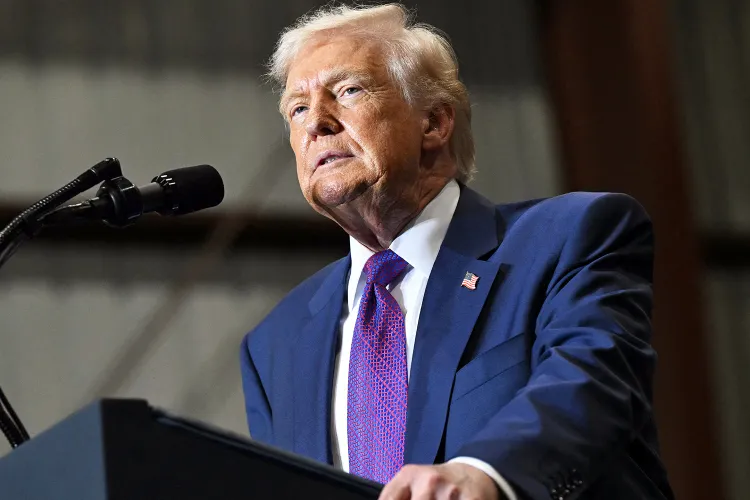

President Donald Trump stated Friday that his intuition, rather than a fixed bureaucratic timeline, will determine the conclusion of U.S. military operations in Iran. The remarks come amid an intensifying aerial campaign and internal discrepancies regarding the mission’s duration.
During a 33-minute interview on The Brian Kilmeade Show, the 79-year-old commander-in-chief suggested the conflict—initiated by joint U.S.-Israeli strikes on Feb. 28—is nearing its resolution. When pressed by Kilmeade on how he would define the mission’s end, Trump replied, “When I feel it. When I feel it in my bones.”
Conflicting Timelines and Objectives
The President’s reliance on “feeling” follows a series of varying estimates from high-ranking administration and military officials. This lack of a unified timeline has sparked questions regarding the specific benchmarks for success in the Middle East theater.
- The President’s Outlook: On March 1, Trump told The New York Times that the U.S. planned to sustain attacks for “four to five weeks.” By Wednesday, he told Axios the end would come “soon” because there is “practically nothing left” to target.
- Military Assessment: Gen. Dan Caine, Chairman of the Joint Chiefs of Staff, offered a more measured tone during a March 2 Pentagon briefing, stating that achieving the nation’s military objectives in Iran would “take some time.”
- Executive Authority: Trump remains firm that the final decision rests with the Oval Office. “Any time I want it to end, it will end,” he told Axios.
The White House Responds
White House Press Secretary Karoline Leavitt dismissed reports of strategic inconsistency, labeling them a “fake narrative” orchestrated by political opponents.
In a statement posted to X on March 11, Leavitt defended the administration’s transparency. “President Trump and his entire team have consistently laid out clear objectives to the American people about what the U.S. Military seeks to accomplish through these ongoing successful major combat operations,” she wrote.
A Collaborative Inner Circle
Despite his emphasis on personal intuition, Trump noted on Friday that his decision-making process involves a core group of advisors. He specifically praised the performance of Defense Secretary Pete Hegseth, Secretary of State Marco Rubio, and Vice President JD Vance.
“I deal with people. I have great people,” Trump said, specifically citing Gen. “Raizin” Caine and Hegseth, whom he described as a “star.”
As the campaign enters its third week, the discrepancy between the “four-to-five-week” window and the “soon” rhetoric suggests an administration weighing the tactical gains of continued strikes against the political desire for a swift conclusion. For now, the definitive exit strategy remains centered on the President’s personal assessment of the battlefield.