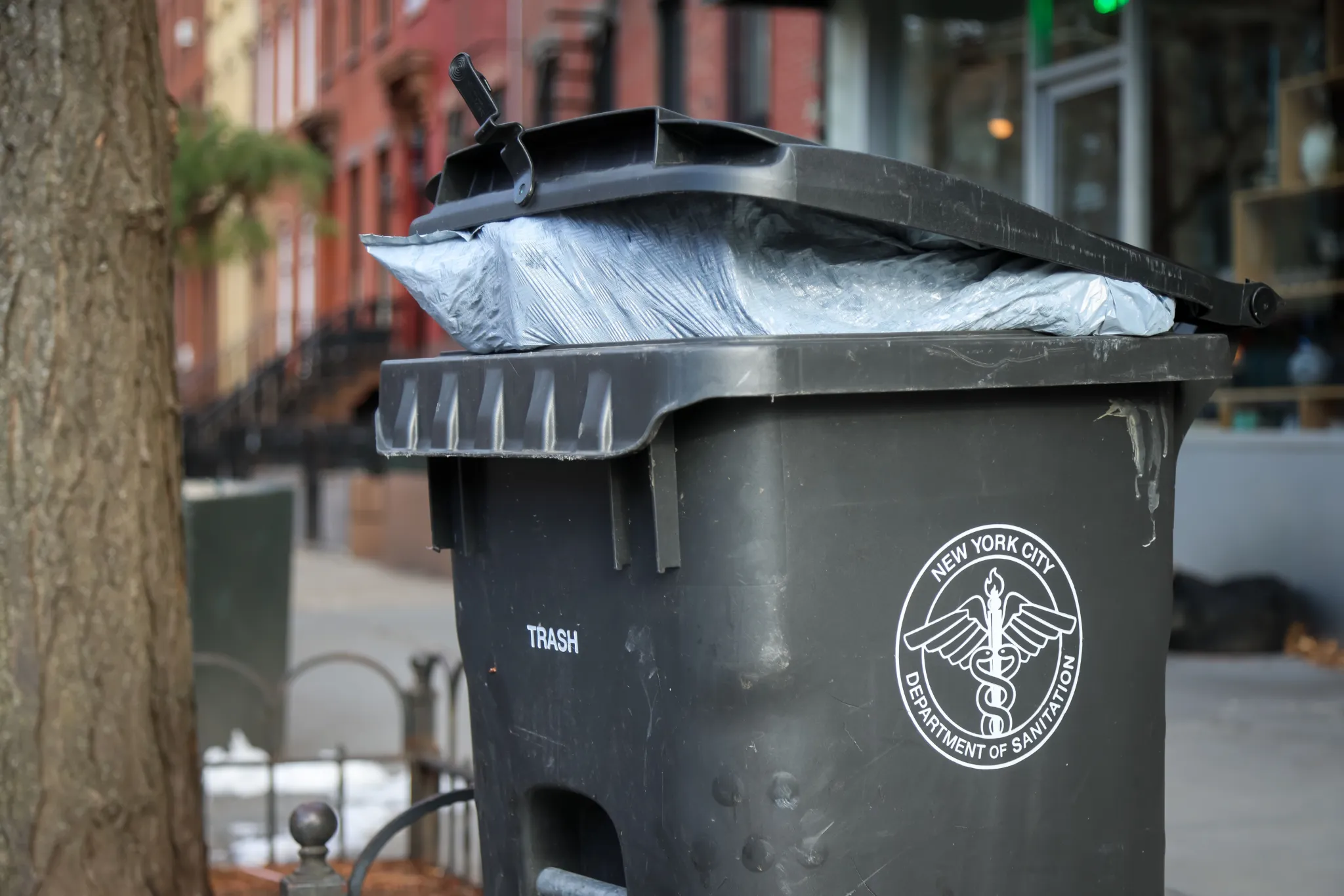

Homeowners in Reno will see a significant increase in their monthly utility bills starting April 1, following a City Council decision to nearly double franchise fees for waste collection. The move, aimed at stabilizing a looming $24 million budget deficit, marks the first major adjustment to the city’s sanitation contract in over a decade.
The Financial Impact on Homeowners
Under the new measures approved by the Reno City Council, the franchise fee paid by Waste Management—the city’s contracted sanitation provider—will jump from 8% of gross revenue to 14%. Because these costs are passed directly to the consumer, residents will experience a 6% surcharge on their existing service rates.
According to internal city documents, the monthly impact depends on the size of the resident’s collection cart:
- Standard Service: Estimated increase of $2.59 to $3.18 per month.
- Annual Total: Residents should expect to pay between $30 and $40 more per year, depending on their specific service tier and additional disposal options.
Bridging the Budget Gap
City officials defend the hike as a necessary fiscal correction. Reno is currently projecting a $24 million budget shortfall for the 2027 fiscal year. The 6% fee increase is expected to generate approximately $5.5 million in new annual revenue for the city’s general fund.
This revenue stream complements previous cost-cutting measures, including the freezing of 20 vacant city positions and various service reductions, which have already saved the municipality an estimated $16 million.
“The sanitation franchise fees were established in the 1990s,” noted Vicki Van Buren, Reno’s Director of Finance. “There were minor contractual changes in 2012, but essentially nothing since then. We use ten-year modeling to ensure the city remains solvent, and this adjustment is a part of that long-term strategy.”
A National Trend in Sanitation Costs
Reno’s price hike is not an isolated incident. Across the United States, municipalities are grappling with the rising costs of waste management driven by fuel inflation, labor shortages, and evolving environmental regulations.
- Organic Waste Mandates: Several jurisdictions began enforcing “SB 1383-style” regulations this year, requiring residents to manually separate organic waste from standard trash, often resulting in higher administrative fees.
- Infrastructure Delays: In other regions, residents have reported paying up to $50 for specialized bins required by new local ordinances, only to face months of delivery delays.
- Compliance Penalties: Some states have moved to link waste compliance with other government services, including refusing vehicle registration renewals for residents with unpaid sanitation debt.
As Reno prepares for the April 1 rollout, local advocacy groups have expressed concern regarding the cumulative impact of rising utilities on fixed-income households. The City Council has not yet announced if any low-income assistance programs will be expanded to offset the new sanitation costs.