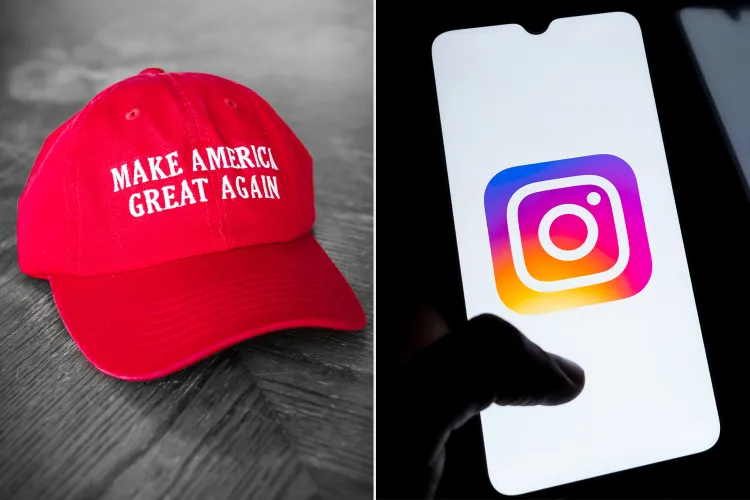

A 22-year-old medical student in India has successfully monetized American political polarization, generating thousands of dollars monthly through a fictional, AI-generated “MAGA” influencer.
The creator, operating under the pseudonym “Sam,” leveraged advanced generative tools to build “Emily Hart,” a synthetic persona designed to appeal to right-wing U.S. audiences. According to a report from WIRED, the scheme highlights the growing ease with which foreign actors can exploit domestic social media algorithms for financial gain.
“Emily Hart” was presented to social media users as a pro-Christian, pro-gun registered nurse. The persona’s feed consisted of AI-generated images featuring the fictional woman firing weapons, ice fishing, and wearing “anti-woke” apparel.
Sam converted this engagement into a lucrative revenue stream by:
- Selling MAGA-themed merchandise with partisan slogans.
- Offering subscriptions for softcore and nude AI-generated content.
- Soliciting direct tips from followers through private interactions.
“I haven’t seen any easier way to make money online,” Sam told investigators, noting that he spent as little as 30 minutes a day maintaining the facade. He claimed the “Emily Hart” persona generated income far exceeding local professional salaries, which he intends to use to fund a future medical career in the United States.
:max_bytes(150000):strip_icc():focal(999x0:1001x2):format(webp)/Maga-hat-042326-aaff9e157b674cd0bb9713e5af7408c4.jpg)
The student’s strategy was not accidental. Sam reportedly consulted Google’s Gemini AI for niche marketing advice. The AI identified the conservative demographic as a “cheat code,” citing higher disposable income and brand loyalty among older men in the U.S.
While Sam attempted to launch a progressive counterpart to the Hart persona, the project failed to gain traction. He attributed this to a higher degree of skepticism regarding “AI slop” among left-leaning audiences, whereas he characterized his MAGA targets as significantly more susceptible to synthetic deception.
The “Emily Hart” accounts on Instagram and Facebook remained active until recently, despite Meta’s stated policies requiring the labeling of AI-generated content. Meta eventually removed the pages following the WIRED report.
:max_bytes(150000):strip_icc():focal(999x0:1001x2):format(webp)/man-looking-at-computer-042326-6faf5a3398d94fa68a971a95688c484e.jpg)
This incident occurs amid a broader surge in synthetic media within the American political landscape. Recent reports indicate that AI is increasingly being used to create hyper-partisan and often inflammatory content, ranging from deepfake translations of historical dictators to Messiah-like depictions of political figures.
As consumer AI tools become more sophisticated, the “Emily Hart” case serves as a definitive case study in the “gray market” of digital influence, where offshore creators weaponize domestic cultural grievances for personal profit.