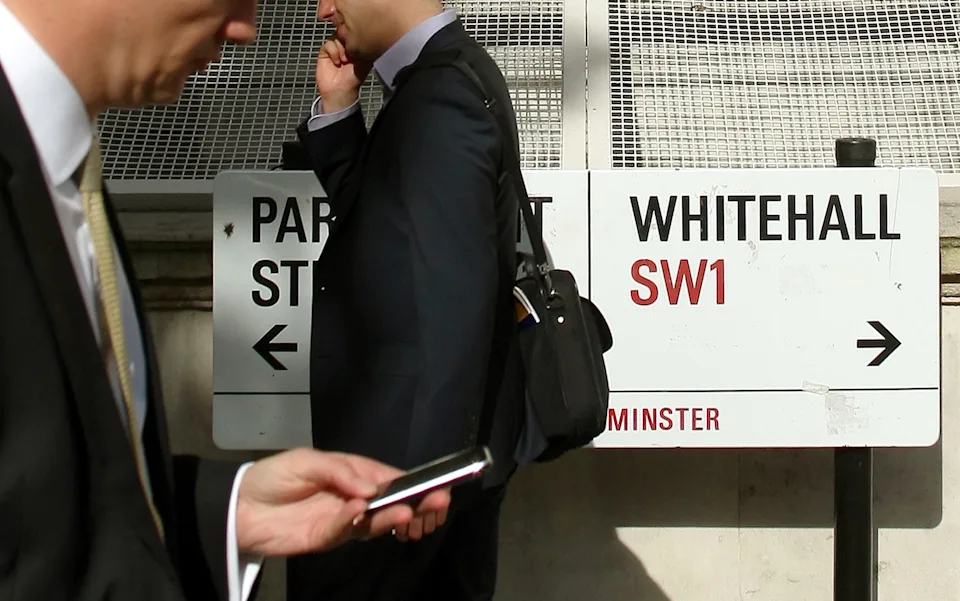

Public sector workers including nurses, doctors, and teachers could be offered higher salaries in exchange for lower pension contributions, under proposals being explored by officials inside Whitehall.
Catherine Little, the permanent secretary to the Cabinet Office and chief operating officer of the civil service, is reportedly leading internal discussions around potential changes to the current balance between pay and pensions, according to The Telegraph. While no formal proposal has been presented to ministers yet, ideas have been under review for more than a year.
The FDA union, which represents civil servants and public sector employees, confirmed that conversations have been ongoing, with Little previously signaling a need to re-examine pay and pensions. In December, she noted she was reviewing the balance between the two, and earlier had remarked on the wider pay challenges facing the civil service.
The discussions come amid growing pressure from public sector unions. Junior doctors — now officially called resident doctors — are set to strike for five days this month, demanding a 29% pay rise despite receiving a 22% raise last year. However, Health Secretary Wes Streeting has ruled out reopening pay talks, saying the government “couldn’t have been more generous,” and noting that doctors had received the highest raises in the public sector two years running.
The proposed trade-off — more take-home pay now for reduced long-term pension benefits — could mark a major shift for the public sector, where pensions are seen as one of the most generous benefits.
Under the NHS pension scheme, staff contribute between 5.2% and 12.5% of their salary, while the government contributes a hefty 23.7%. Teachers pay between 7.4% and 12%, with employers chipping in 28.7%.
These taxpayer-funded pension contributions cost the government £32.2 billion last year, with around two-thirds of the total going to NHS staff and teachers. On top of that, public sector pay rises — including 5.5% for teachers and nurses and 6% for doctors and dentists — added another £9 billion in costs.
Interestingly, some public sector workers are already opting out of these valuable defined benefit pension schemes. Last year, over 85,000 doctors and teachers chose to forgo pension contributions, potentially signaling a growing preference for more immediate income.
Ben Zaranko, of the Institute for Fiscal Studies, suggested that less generous pensions in exchange for better pay could be a smart, sustainable move.
“There’s a strong case for making the government’s pension offer less generous in return for higher pay,” he said. “This could make public sector roles more attractive — especially to younger staff who may prioritize short-term income over long-term benefits.”
The FDA’s general secretary, Dave Penman, echoed that sentiment: “Public sector workers often face short-term financial pressure. If someone is struggling to buy a home in their 30s, they might well prefer a bit more in their paycheck today, even if it means less in their pension decades from now.”
But not everyone agrees.
Sampson Low of Unison called the proposal “a bizarre case of robbing Peter to pay Peter,” warning that cutting pensions won’t fix public sector recruitment issues and could push staff further away.
Dr. Vishal Sharma of the British Medical Association was blunt: “Raiding pensions to fund pay rises is completely unacceptable.” He cautioned that younger doctors might be tempted by short-term gains, but would suffer significant financial losses over their lifetimes.
Sir Steve Webb, a former pensions minister and now a partner at LCP, also flagged a practical challenge: today’s pension contributions are being used to fund retirees who are already drawing benefits. Reducing those contributions now could create a funding shortfall — one that might require unpopular tax hikes to fill.
“Any move to reduce pension contributions risks leaving the government with a serious cash gap to plug in the near term,” he said.
In a brief statement, a government spokesperson said only: “We are focused on supporting the civil service with the necessary tools it needs to deliver change for working people.”