
Birthright citizenship makes anyone born in the US an American citizen, including children born to mothers in the country illegally.
Concord, N.H. — The legal battle over former President Donald Trump’s controversial order to end birthright citizenship is quickly heading toward a likely showdown at the U.S. Supreme Court.
On Thursday, a federal judge in New Hampshire issued a preliminary injunction halting Trump’s January executive order, which aimed to strip U.S. citizenship from children born to undocumented immigrants. The ruling blocks enforcement of the order across the country but includes a seven-day stay to allow for an appeal.
The decision comes just weeks after the Supreme Court limited the ability of lower courts to issue sweeping nationwide injunctions without first ruling on the underlying constitutional question. However, the Court also left room for nationwide blocks under certain conditions, such as in class-action lawsuits — which this case now qualifies as.
What Is Birthright Citizenship?
Birthright citizenship guarantees U.S. citizenship to anyone born on American soil, regardless of their parents’ immigration status. The principle stems from the 14th Amendment to the Constitution, ratified after the Civil War to grant citizenship to formerly enslaved people.
“All persons born or naturalized in the United States, and subject to the jurisdiction thereof, are citizens of the United States,” the amendment reads.
In 1898, the U.S. Supreme Court reaffirmed this right in the case of Wong Kim Ark, ruling that even children born to non-citizen parents — in this case, Chinese immigrants — are entitled to citizenship if born in the U.S.
Since then, birthright citizenship has remained a cornerstone of American immigration law, with rare exceptions, such as for children born to foreign diplomats.
Trump’s Executive Order and the Legal Challenge
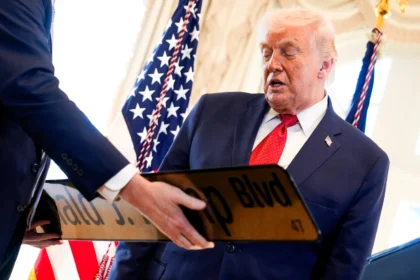
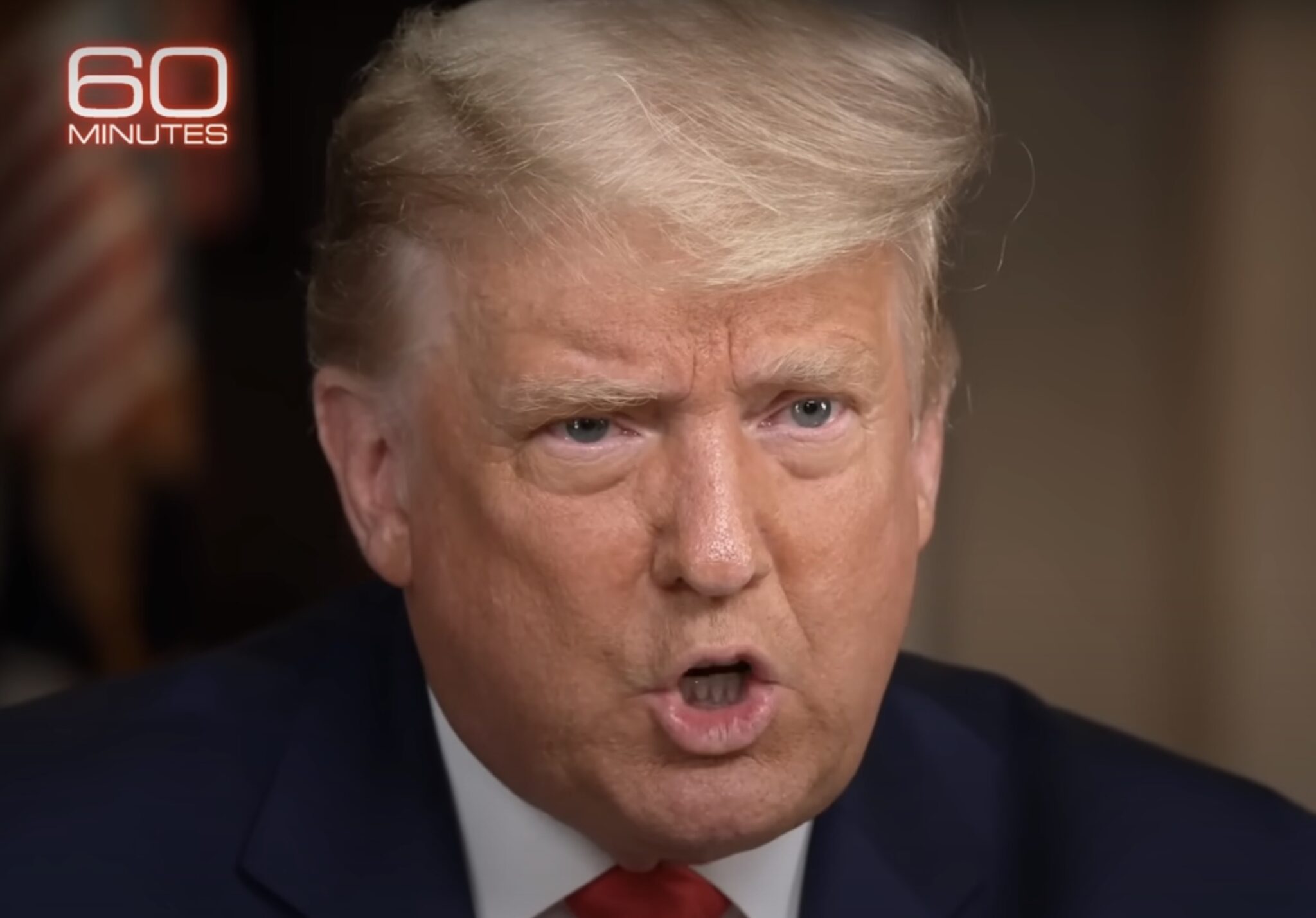
Trump signed the executive order in January, targeting children born in the U.S. to people living in the country illegally or on temporary visas. He argued that the phrase “subject to the jurisdiction thereof” in the 14th Amendment excludes such children from automatic citizenship — a view widely rejected by legal scholars and courts.
The order has faced a wave of legal challenges from states, civil rights groups, and immigrants’ rights advocates. In multiple cases, federal judges have blocked the policy from taking effect, arguing that it violates constitutional protections.
U.S. District Judge John Coughenour, presiding over one of the early challenges in Seattle, called the order “blatantly unconstitutional,” adding: “I’ve been on the bench for over four decades, and I can’t remember a clearer case.”
Supreme Court’s Role and What Happens Next
While the Supreme Court recently limited how lower courts issue nationwide injunctions, it didn’t weigh in on the constitutionality of Trump’s order. The decision was seen as a win for the Trump administration, which had argued that individual judges were overstepping their authority by halting national policies.
However, the Court’s ruling left open the door for plaintiffs to achieve the same effect through class-action lawsuits, such as the one certified in Thursday’s New Hampshire ruling by Judge Joseph Laplante.
Lawsuits challenging the order are progressing in courts across the country, including Maryland and New Jersey, where state attorneys general argue that a nationwide pause is still justified under the Supreme Court’s latest guidance.
Daniel Kanstroom, an immigration law professor at Boston College, believes the issue is almost certain to land before the nation’s highest court.
“The stakes in this case couldn’t be higher,” Kanstroom said. “It impacts millions of people, the entire foundation of our immigration system, and it touches on lingering questions of how this country has reckoned with slavery and civil rights.”
A Broader Battle Over Immigration
Trump has long targeted birthright citizenship, calling it a “magnet for illegal immigration.” The executive order is part of his broader push for more aggressive immigration policies — many of which have sparked fierce legal and political debates during and after his presidency.
For now, the future of birthright citizenship — a right enshrined for over 150 years — remains uncertain, with the courts likely to play the final role in deciding whether it endures or is redefined.