
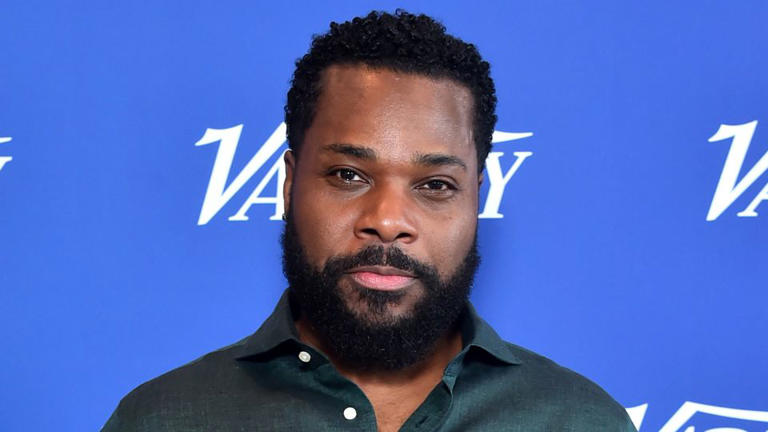

The passing of Malcolm-Jamal Warner is a heartbreaking loss — one that hits especially hard for those of us who grew up Black in America during the 1980s.
To us, he wasn’t just an actor. He was family. He was a mirror. He was a symbol of hope.
Long before Barack and Michelle Obama brought Black excellence to the White House, we had the Huxtables. And before college tours and job fairs shaped our futures, we had Theo. For me — and for so many other young Black boys — Theo was the first person on television who looked like us, talked like us, and lived like us. He wasn’t a sidekick or a stereotype. He was expected to succeed not despite being Black, but with his full Blackness intact.
When The Cosby Show premiered, it changed the game. Not because it had a Black cast — shows like Good Times and The Jeffersons had come before — but because it portrayed a Black family that was thriving. Cliff Huxtable was a doctor. Clair was a lawyer. Their kids were smart, funny, and ambitious. And in the center of it all was Theo: imperfect, funny, relatable — learning, stumbling, growing.
That meant something.
Because for decades, TV gave us only narrow images of Black life: maids, butlers, criminals, addicts, comic relief. Theo was none of that. He was a teenager with dreams and dignity, raised in a household where excellence was the expectation. That was revolutionary. That visibility, that normalcy, helped reshape the American imagination.
It also shaped mine.
I grew up with two professional parents. My life didn’t look like Sanford and Son. It didn’t mirror The Jeffersons. But it looked a lot like the Huxtables. And when I saw Theo, I saw myself. I didn’t feel like an anomaly. I felt seen.
But Malcolm-Jamal Warner was never just Theo. He grew beyond the sitcom spotlight and carved out a career marked by integrity, creativity, and purpose. He never chased tabloid attention. He didn’t trade his values for applause. Instead, he used his voice to speak out about mental health, about the complexity of Black identity, about grace and vulnerability in a culture that often demanded stoicism.
That kind of steady, grounded presence — especially from a child star — is rare. Malcolm didn’t just survive Hollywood. He grew in it. And he gave back. Through his acting, his Grammy-winning music, and his podcasting, he reminded us that Black life is rich, layered, and worthy of deep reflection.
His death feels personal. For many of us now in our 40s, 50s, even 60s, this feels like losing a brother. He was a part of our collective memory — a time when families gathered around the TV, not just to be entertained, but to see something affirming and groundbreaking.
And yes, we cannot ignore the shadow cast by Bill Cosby’s downfall. The Cosby Show is more complicated now. But the legacy of its cast — especially the younger stars — remains. Lisa Bonet. Tempestt Bledsoe. Keshia Knight Pulliam. And Malcolm. They carried forward that show’s legacy with quiet strength and lasting impact. They lived the excellence the show promised.
We shouldn’t be afraid to grieve this loss loudly. It’s not “playing the race card” to say how powerful it once was to see a Black teen on national TV who wasn’t defined by trauma or trouble. That mattered. That was a revelation.
Malcolm-Jamal Warner gave us that gift. And then he kept giving.
Let us remember him not just as Theo, but as the artist, the thinker, the man who showed us what dignity and depth could look like in public life. Let’s honor him by continuing the work he started — the conversations, the truths, the human stories he told.
Rest well, brother. You soared — and brought us with you.


