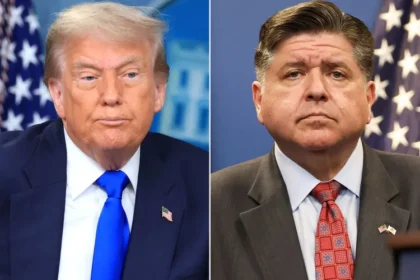

WASHINGTON — A landmark Supreme Court ruling has stripped the White House of its perceived authority to bypass Congress on trade taxes, yet the decision has sparked a secondary fiscal crisis: a $133 billion “black hole” in corporate refunds.
While the 6-3 majority opinion in U.S. v. Costco confirmed that President Trump exceeded his legal mandate under the International Emergency Economic Powers Act (IEEPA), the Court’s refusal to outline a repayment process has left thousands of American businesses facing a multi-year battle to recoup their capital.
The Constitutional Ceiling: Why the Tariffs Fell
The Supreme Court upheld lower court findings that the 25% emergency duties imposed on Canada and Mexico were unconstitutional. Chief Justice John Roberts, writing for the majority, clarified that the power to levy taxes and duties resides exclusively with Congress.
The administration had argued that “economic emergencies” granted the Executive Branch broad leeway to adjust trade barriers. The Court, however, drew a firm line, categorizing these specific levies as a form of taxation rather than a diplomatic or security measure.
“The silence from the bench regarding the $133 billion already collected is the most significant part of this ruling for the private sector,” said Jeff Harvey, a trade litigation specialist at Bradley. “We have a verdict of ‘illegal,’ but no roadmap for ‘restitution’.”
The $133 Billion Refund “Mess”
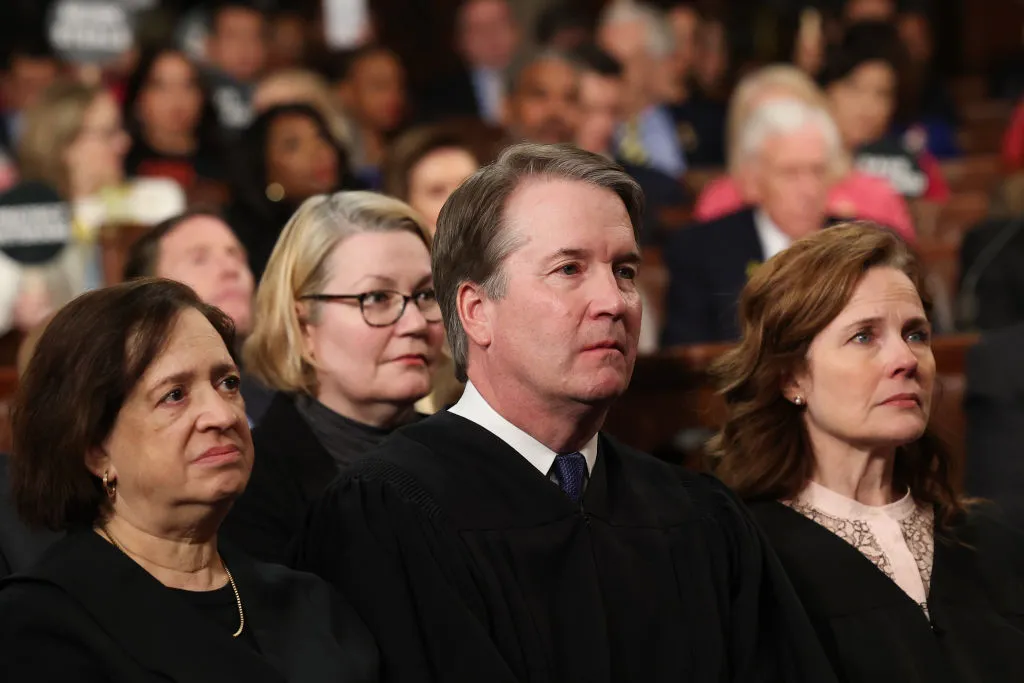
The dissenting opinion, led by Justice Brett Kavanaugh, warned that the Court’s failure to mandate a refund protocol would result in a “mess.” Legal experts now anticipate the following hurdles for U.S. importers:
The Liquidation Trap: U.S. Customs and Border Protection (CBP) typically has a 310-day window to “liquidate” or finalize duty amounts. Once liquidated, funds are absorbed into the Treasury, making them significantly harder to recover without proactive litigation.
Administrative Resistance: While the administration initially hinted it would not block refunds, recent rhetoric suggests the White House may fight repayments to avoid a massive hit to the federal budget.
The Injunction Gap: Despite the ruling, CBP is expected to continue collecting these tariffs until the Court of International Trade (CIT) issues a formal injunction—a process that could take weeks and face further appeals.
Costco’s Preemptive Strike: A Blueprint for Recovery
Not all companies are entering this vacuum unprepared. Retail giant Costco led a wave of “protective” litigation as early as December. By filing preliminary suits before the Supreme Court’s decision, Costco and approximately 1,000 other firms effectively froze the “liquidation” clock.
“Costco’s strategy was surgical,” explains Lizbeth Levinson, an attorney at Fox Rothschild. “By challenging the finality of the payments before the ruling, they’ve blocked the government from claiming the funds are already ‘settled’ and untouchable.”
What’s Next: A 10% Global Countermove
The legal victory for free-trade advocates may be short-lived. Following the ruling, the President attacked the Court’s decision and immediately signaled an intent to leverage alternative statutes to reimpose trade barriers.
The White House has proposed a new 10% “global tariff,” likely to be pursued under Section 232 or Section 301 of the Trade Act. While these pathways require more rigorous investigation and public comment periods than the IEEPA, they represent a continued shift toward protectionist policy that could offset any relief gained from the Supreme Court’s ruling.
For the 1,000+ companies with active lawsuits, the path to a refund now returns to the Court of International Trade. For those who did not file early, the window to reclaim their share of the $133 billion is rapidly closing.