
Communities across the Mid-Atlantic are beginning to feel the financial strain of rising electricity prices as AI data centers rapidly multiply in the region.
In Baltimore, one resident saw her electricity rate jump by 20% in just a month — despite using significantly less power, CNN reported. Baltimore Gas and Electric (BGE) customers experienced rate increases of about $32 per month on average in September. The added cost is linked largely to the growing demand from data centers in northern Virginia.
“We shouldn’t be subsidizing [the AI companies]. They have enough money,” the resident said.
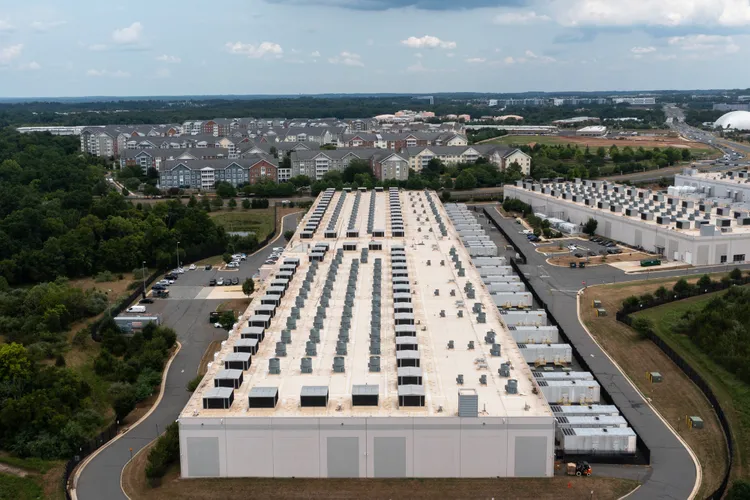
The issue extends beyond Maryland. Northern Virginia is now the world’s largest data center hub, housing 13% of global operational capacity, according to the Joint Legislative Audit and Review Commission (JLARC). While these facilities provide economic benefits and jobs, their massive electricity needs are driving up costs for consumers in neighboring states, CNN noted.
The additional charges are not itemized on bills. Instead, they appear within supply fees, making the cause harder to pinpoint. And data centers are only part of the puzzle — natural disasters and fluctuations in natural gas pricing have also contributed to rising rates, according to research in The Electricity Journal.
:max_bytes(150000):strip_icc():focal(995x732:997x734):format(webp)/Major-Cluster-Of-Data-Centers-Inhabit-Northern-Virginia-111425-2-74acd003a1b84ab88bcef1519759f895.jpg)
Data centers affect bills in two significant ways: their enormous power demand and the infrastructure required to support it. A 2024 U.S. Department of Energy report estimated that facilities used 4.4% of total U.S. electricity in 2023 and could require 6.7% to 12% by 2028.
“This is just the tip of the iceberg,” said Marina Domingues of Rystad Energy in an interview with CNN. “There’s so much more to come because of that increased need for power and upgrades.”
Though current policy requires data centers to fund the power they consume and the infrastructure attributed to their operations, JLARC warned that their growing presence will likely increase costs for all customers. Meeting their rising demand will require major new generation and transmission projects, which utilities must recoup through rate increases.
In a recent analysis, Domingues suggested that the full impact on consumers may not be realized until 2030 — and that effects could be even greater in regions with less resilient power grids.
The political landscape has already shifted in response. Virginia Gov.-elect Abigail Spanberger campaigned on holding data center operators accountable for their share of power costs, and New Jersey Gov.-elect Mikie Sherrill vowed to take emergency action over electric bills, CNBC reported.
Companies have pushed back on the idea that residents are footing the bill. A Microsoft spokesperson said the company pays for the electricity it uses and for related infrastructure, and supports clear cost allocation that protects local communities.
Maryland and Washington, D.C., rely on PJM Interconnection — a regional grid operator preparing for escalating demand. Since 2023, PJM has proposed more than $11 billion in transmission upgrades, much of it tied to new data center capacity.
Despite policy debates and reassurances, residents like those in Baltimore are already paying more.
“You feel like you’re doing the right thing,” one resident said. “But there’s no reward.”