
The White House is encouraging Americans to consider blue-collar work as rapid advances in artificial intelligence raise concerns about the long-term security of many office and corporate roles.
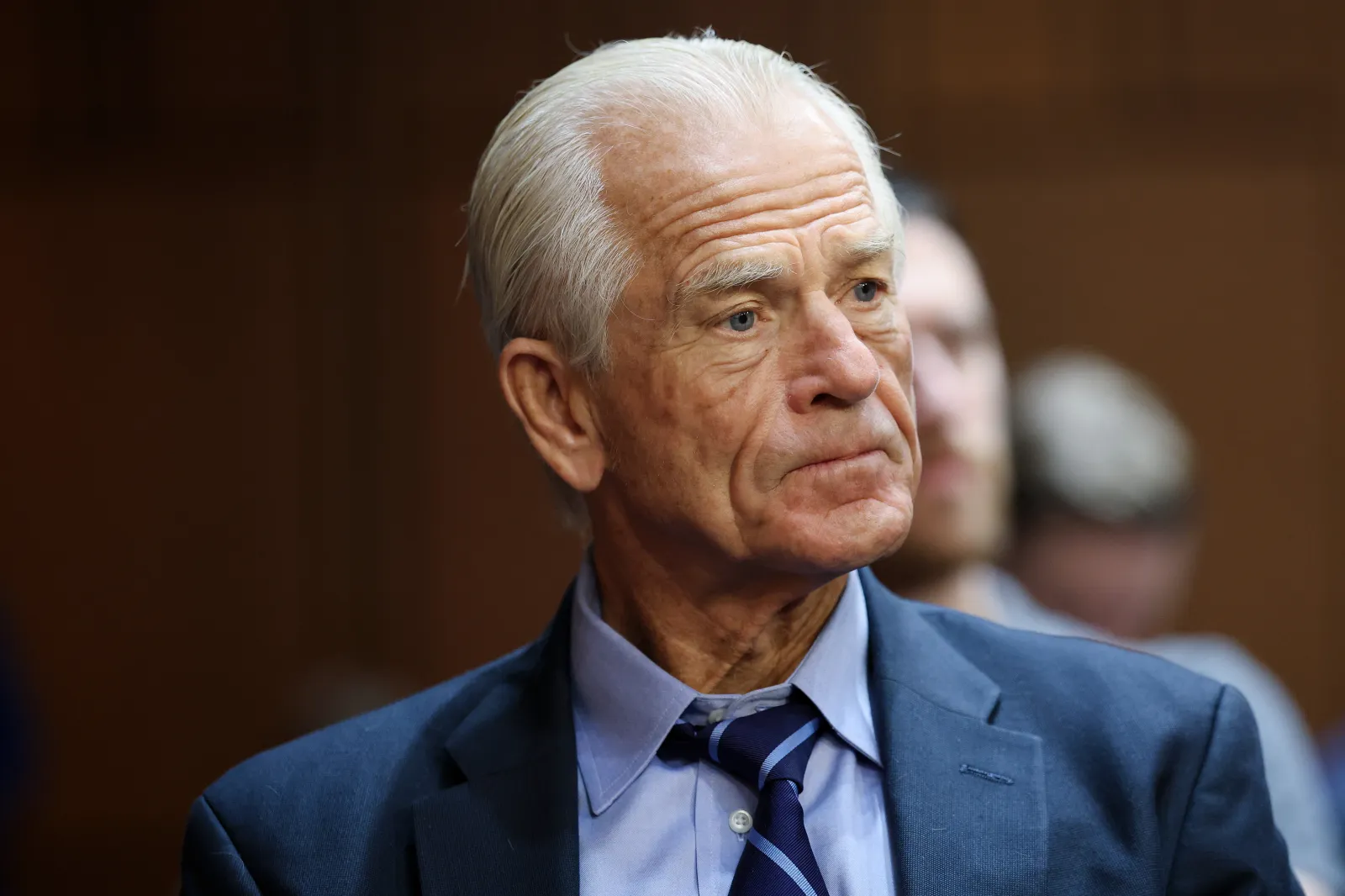
“In an age of AI, where all the white-collar jobs are going away pretty damn quick, I think maybe it’s a good time for people to think about having good blue-collar jobs,” Peter Navarro said on CNBC on Tuesday.
Navarro, President Donald Trump’s senior counselor for trade and manufacturing, argued that the U.S. once thrived with a broad blue-collar middle class—and that a similar model could return “in a new package” driven by new technology and productivity gains.
Why It Matters
The U.S. economy has heavily invested in AI, with spending on the technology and related infrastructure contributing meaningfully to this year’s GDP growth. Market value has also become increasingly concentrated in large companies seen as leaders in AI.
The administration has committed billions toward AI and energy investments, with Trump repeatedly expressing a goal of making the U.S. the “undisputed world leader in artificial intelligence.”
Still, the enthusiasm hasn’t yet produced an economy-wide transformation. It has also been accompanied by worries about a potential AI-driven bubble and the possibility that widespread adoption could displace significant numbers of workers.
What To Know
Speaking on CNBC’s Squawk Box, Navarro referenced a recent opinion piece he wrote for The Wall Street Journal defending tariffs as a key lever in what he described as a long-term effort to “reindustrialize” the U.S.
“Tariffs aren’t a press release,” Navarro wrote. “They’re an instrument that reshapes bargaining leverage, investment math, and supply-chain location decisions.”
He also acknowledged constraints on that strategy, including “labor availability.” On Tuesday, he suggested that people who pursue blue-collar paths could benefit from a manufacturing upswing if reindustrialization succeeds—while also avoiding some of the employment shock he expects from AI adoption in white-collar workplaces.
AI has already been tied to some corporate workforce reductions this year. Amazon, for instance, highlighted the technology’s “transformative” potential while announcing plans to cut 14,000 corporate jobs.
A recent Massachusetts Institute of Technology study concluded that AI could already replace 12 percent of the U.S. workforce—representing about $1.2 trillion in wages across sectors such as technology, finance, and health care.
Meanwhile, an October Senate report warned that AI could “destroy nearly 100 million U.S. jobs in a decade,” and noted that some blue-collar roles—such as fast-food service, warehouse jobs, and logistics work—could also be exposed to automation.
What People Are Saying
Navarro told CNBC: “In an age of AI, where all the white-collar jobs are going away pretty damn quick, I think maybe it’s a good time for people to think about having good blue-collar jobs. I mean, that used to be how America prospered—the middle class, the blue-collar middle class—because they had good wages at the time, back in the days when Detroit was king. That was a beautiful age. It can come back again in a new package with all this new technology and productivity.”
Economic analyst Le Dong Hai Nguyen said in September: “Entry-level white-collar roles are heading for a reckoning as routine work gets automated. The apprenticeship model for young college graduates is cracking as firms favor lean, expert-led teams enabled by AI. But that also raises a hard question: without training new talent, where do future experts come from?”
White House Press Secretary Karoline Leavitt, defending Trump’s move in May to freeze federal funding to Harvard, said: “The president is more interested in giving that taxpayer money to trade schools, and programs, and state schools, where they are promoting American values. But most importantly, educating the next generation based on skills that we need in our economy and out society—apprenticeships, electricians, plumbers—we need more of those in our country and less LGBTQ graduate majors from Harvard.”
What Happens Next
Trump’s tariffs are now under review by the Supreme Court after a lower court ruled earlier this year that the president exceeded his authority in imposing them.
A decision is expected in early 2026. The administration has argued that reversing the tariffs would cause an economic “disaster,” including the complicated process of refunding importers who have paid the duties to date.