
Ever wondered if your family tree could brush up against British royalty? A new list from genealogy site MyHeritage highlights 35 surnames that have historic ties to royal and aristocratic lines. If your last name is on it — especially one that’s common in the United States — it might be a fun clue worth exploring.
Why it matters
The British monarchy has fascinated Americans for generations. Discovering a surname that appears in royal history can make that interest feel personal, and it can open a door to learning more about migration patterns, cultural roots, and how European dynasties shaped family lines on both sides of the Atlantic.
What to know
MyHeritage’s roundup includes a wide spread of royal and noble names. Some trace back to medieval English houses such as Plantagenet, Lancaster, York, and Tudor. Others come from major European dynasties like Habsburg, Romanov, and Orange-Nassau. The list also features long-standing English aristocratic families, including Spencer, Howard, and Percy.
The full list of 35 surnames
- Stuart (Stewart)
- Spencer
- Plantagenet
- Lancaster
- York
- Tudor
- Savoy (Savoia, Savoie)
- de Medici (Medici)
- Capet
- Valois (de Valois)
- Bourbon (de Bourbon)
- Orléans (d’Orléans, de Orléans)
- Howard
- Seymour
- Percy
- Habsburg
- Bruce
- Orange-Nassau
- Oldenburg
- Glücksburg
- Romanov
- Baskerville
- Darcy (d’Arcy)
- Neville
- Astley
- Capell (Capel)
- Grey
- FitzAlan
- Courtenay
- Manners
- Russell
- Cavendish
- Talbot
- Hanover
- Windsor (Mountbatten-Windsor)
Names that show up a lot in the U.S.
Using the most recent relevant U.S. Census surname data (2010), several of these names are far from rare in America. Stewart appears especially often, along with Howard, Russell, and Spencer — all names that have traveled widely over centuries and settled into everyday use.
Some surnames are less frequent but still present in notable numbers, including Bruce, York, Lancaster, and Seymour.
A handful remain extremely rare in the U.S., such as Cavendish, Astley, and Romanov. For those hoping for a more direct-sounding connection, Windsor shows up in the Census data too, but only in a small number of cases compared to more common names.
Celebrities with “royal” surnames
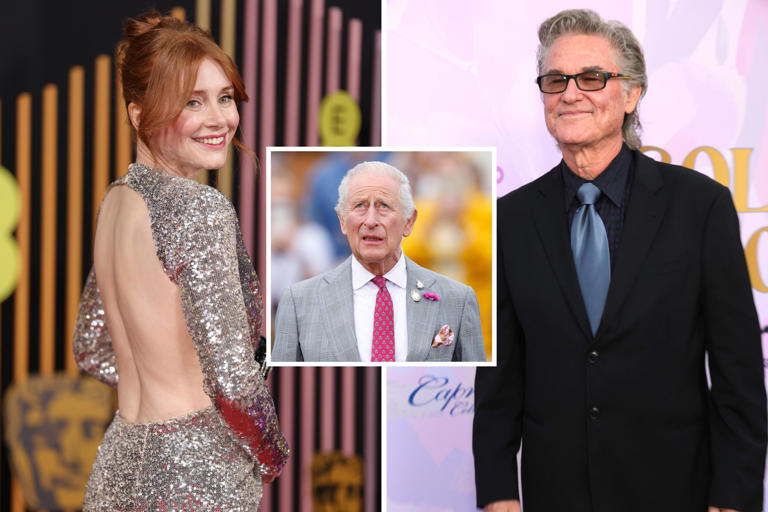
Plenty of well-known Americans share last names that appear on the MyHeritage list. Think of people like Bryce Dallas Howard, Kristen Stewart, or Kurt Russell. Of course, having the surname doesn’t automatically mean a proven bloodline — but it’s a reminder of how these names spread through time.
What happens next
A shared last name is only a starting point, not evidence of royal ancestry. Over centuries, many unrelated families adopted the same surnames, and names often changed or evolved as people migrated.
If you’re curious, the best next move is to build your family tree step by step. Start with what you know, verify each generation with documents, and work backward carefully. The deeper you go, the faster the tree expands — after just 10 generations, you’ll have more than a thousand direct ancestors. Historical records like censuses, marriage certificates, and birth/death documents can help confirm real connections, and genealogy platforms such as MyHeritage can make that research easier to organize.