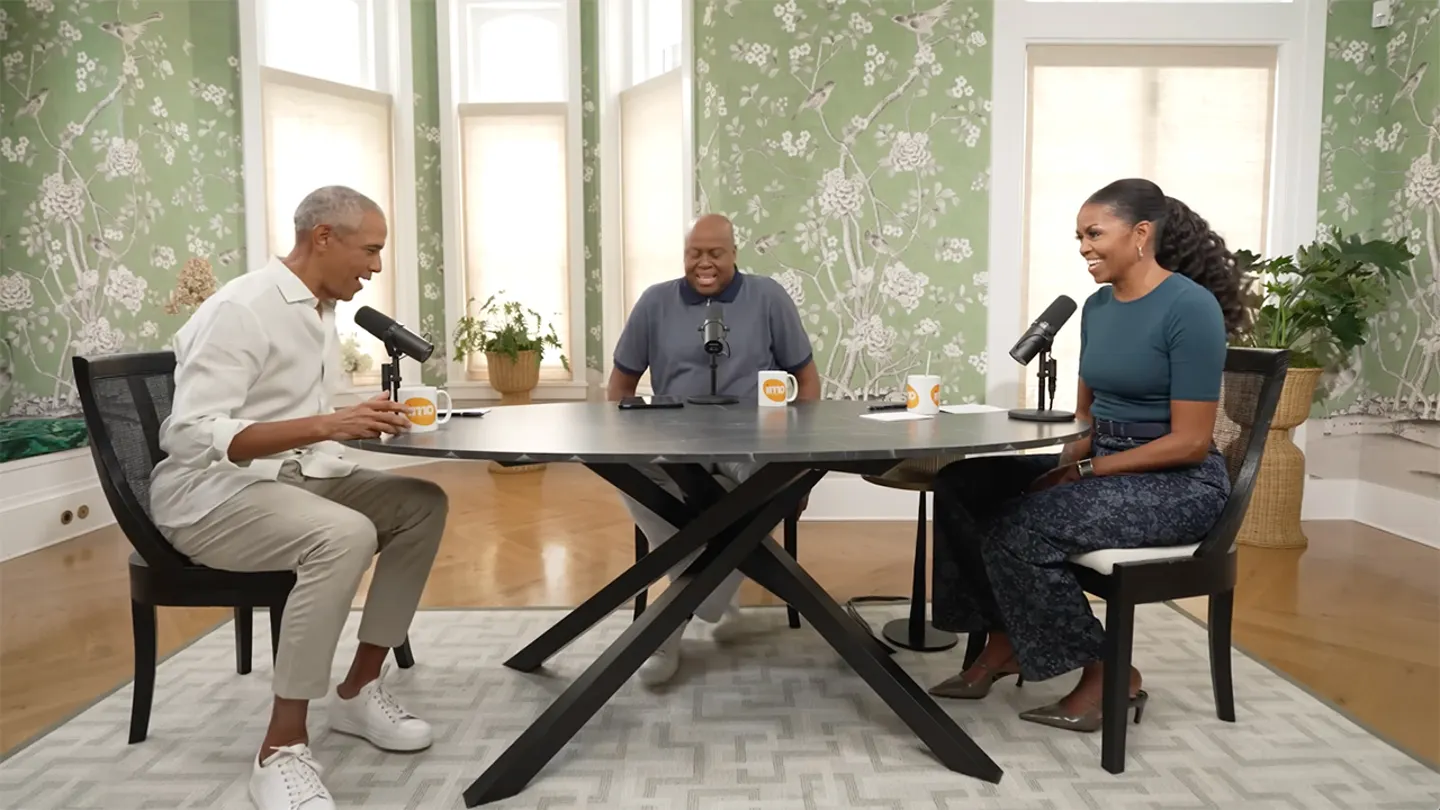

Former President Barack Obama emphasized the importance of diverse male role models—particularly gay friends—in shaping emotionally intelligent boys during a recent appearance on the “IMO” podcast hosted by Michelle Obama and her brother, Craig Robinson.
In the July 16 episode, Obama reflected on his own upbringing and experiences, stressing that boys need more than just their fathers as role models. “No matter how good the dad, he can’t be everything,” he said. “Sometimes boys need someone else who can even give them a little perspective on their own dad.”
He recalled how enriching it was to witness the wide range of male influences in Michelle’s family when they first began dating, each offering a different expression of masculinity.
One of Obama’s key points was the role of LGBTQ individuals in broadening young men’s emotional perspectives. He shared that one of his favorite college professors was openly gay and would challenge him on his assumptions. “He would call me out when I said something ignorant,” Obama noted.
Encouraging men to form friendships with LGBTQ individuals, Obama said doing so helps instill values like empathy and kindness in children—and prepares fathers to support their kids if they identify as gay or non-binary. “You need that person in your circle so that your child knows they’re not alone,” he explained. “That’s how you build community, even if it sounds corny.”
Obama also criticized progressive rhetoric that, while rightly advocating for girls, has often overlooked the struggles of boys. “We’ve made mistakes in how we talk about boys,” he admitted. “It’s important to recognize what’s right with them, not just what’s wrong.”
While praising younger generations for embracing new definitions of masculinity, he cautioned against abandoning positive traits from traditional manhood, like chivalry. “There’s value in some of the old models too,” he said.
The episode offered a candid and wide-ranging conversation on fatherhood, masculinity, and inclusivity—touching on how men can foster stronger communities by embracing empathy and diversity in their own lives.