
On a bleak, cold Monday afternoon, Jan. 5, Caroline Kennedy said goodbye to her daughter, Tatiana Schlossberg, who died at 35.
Wearing a black wool suit, Kennedy arrived at St. Ignatius Loyola in New York City with her husband, Edwin Schlossberg, and their children, Rose and Jack. Ahead of them were Tatiana’s husband, George Moran, and the couple’s two young children — 3-year-old Edwin, dressed in a small blue blazer, and 1-year-old Josephine, whom Kennedy later held gently in her arms.
Six days earlier, the family announced Tatiana’s death in a statement calling her “beautiful” and saying she would “always be in our hearts.” Cousin Maria Shriver praised Tatiana’s resolve, saying she “fought like a warrior,” and described her as a devoted daughter, sister, mother, and friend.
For the Kennedy family, Tatiana’s death marked another profound loss — not only the death of a young mother leaving behind two small children, but also another blow for Caroline Kennedy, 68, who has endured a lifetime shaped by public tragedy and private grief.
In a deeply personal essay published in November in The New Yorker, Tatiana wrote about sadness, generational trauma, and the weight she felt trying to protect her famously private mother. She described her fear that her illness had added another tragedy to her family’s life — and her helplessness at being unable to change it. Historian Steven M. Gillon noted that the accumulation of loss in Caroline Kennedy’s life is hard to fathom, calling this moment potentially the most painful yet.
:max_bytes(150000):strip_icc():focal(999x0:1001x2):format(webp)/Tatiana-Schlossberg-with-husband-George-Moran-and-children-010526-e7dfe8c6ab5141699ec9f63c04d49ea0.jpg)
Tatiana, an environmental journalist and author, gave birth to Josephine on May 25, 2024, at Columbia Presbyterian Hospital. Soon afterward, doctors flagged a dramatic rise in her white blood cell count and diagnosed her with acute myeloid leukemia, along with a rare mutation known as Inversion 3. Leukemia specialist Dr. Courtney DiNardo of MD Anderson Cancer Center, who was not involved in Tatiana’s care, has said the mutation is found in a very small percentage of cases and is more commonly seen in older patients.
Tatiana wrote that the diagnosis felt impossible. She described herself as healthy and active — someone who regularly ran long distances in Central Park — and said she was overwhelmed by the thought of leaving her son and newborn daughter.
The months that followed became an exhausting cycle of treatment: repeated rounds of chemotherapy, stem cell transplants (including one donation from her sister Rose and another from an anonymous donor), infections, and clinical trials. When she lost her hair, she wrote about covering her head with scarves and grieving a small part of her former life. In a gesture of solidarity, her brother Jack shaved his head as well.
As Tatiana’s condition worsened, her husband and children moved into her parents’ Park Avenue apartment. She wrote about how weakened she became — losing significant weight and facing such a high infection risk that she couldn’t safely do basic things like bathe or feed her baby. She also wrote with particular anguish about memory: whether her young son would later blend his few memories of her with photographs and stories, and whether her daughter would ever truly know who she was.
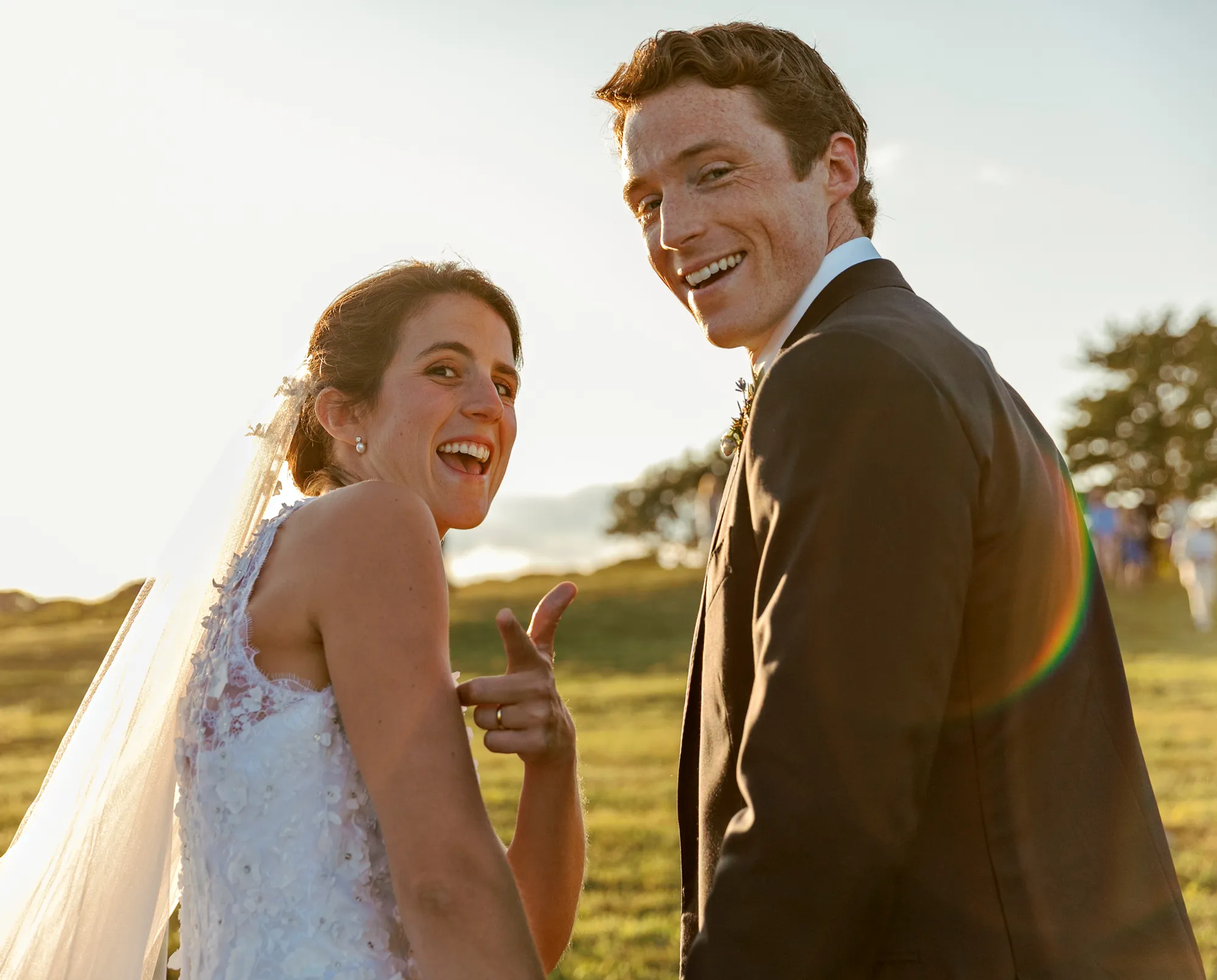
:max_bytes(150000):strip_icc():focal(999x0:1001x2):format(webp)/Tatiana-Schlossberg-and-George-Mora-wedding-010526-3-f287c6160ce94e42a295c1fc1aeaef36.jpg)
Now, those who know the family say Caroline Kennedy will help keep Tatiana present in her children’s lives — much as her mother did in the aftermath of earlier family tragedies. A family friend said she has “the playbook” for ensuring grandchildren grow up with a vivid sense of the parent they lost. Gillon observed a painful echo of history: Tatiana’s son is about the same age Caroline’s brother John was when he lost his father.
Friends and colleagues also emphasize that Tatiana’s life cannot be reduced to her last name. Raised largely away from the spotlight, she attended private schools in Manhattan and, by many accounts, was shy and intensely private. After studying history at Yale — where she edited the student newspaper and met George Moran — she earned a master’s degree from Oxford and began reporting for The Record in New Jersey. Former colleague Stephanie Akin recalled how difficult it was for Tatiana when strangers recognized her before she had even introduced herself.
In 2014, she joined The New York Times as a climate reporter, covering stories that ranged from winter tradition on Coney Island to troubling wildlife deaths along the Atlantic. She later wrote that the work changed her, turning her into someone who sought the outdoors and tested her own limits — including a grueling 50-kilometer cross-country ski race in Wisconsin that took her seven and a half hours to finish. Friends remember her as exceptionally sharp, funny, and precise on the page.
Tatiana also wrote and spoke publicly about the environmental values she felt were woven into her family’s summers on Martha’s Vineyard. In a 2019 interview about her book Inconspicuous Consumption: The Environmental Impact You Don’t Know You Have, she said those summers made nature feel essential — and she credited her husband as a steady source of encouragement for her writing, even as he carried the demands of a medical career.
Near the end of her life, Tatiana wrote what New Yorker editor David Remnick called an unusually candid account of illness, time, and love — including her frustration with a close relative, Robert F. Kennedy Jr., whom she criticized over research cuts she believed could affect cancer patients.
Before her diagnosis, she had planned a second book focused on climate change and the world’s oceans — long a source of comfort for the Kennedy family. Instead, she wrote that her remaining time narrowed to what mattered most: her children. She described small, vivid details — her son matching her head scarf during hospital visits, her daughter’s bright rain boots and costume pearls around the house — and her effort “to fill my brain with memories,” hoping she could hold on to them.