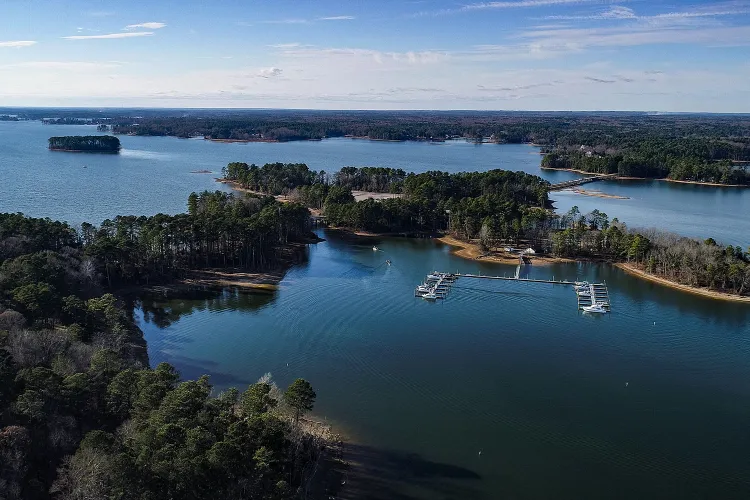

A child in South Carolina has died from a rare brain infection caused by Naegleria fowleri, commonly known as a brain-eating amoeba, after likely being exposed while swimming in Lake Murray earlier this month.
The South Carolina Department of Public Health (DPH) confirmed that the child was exposed to the deadly organism during the week of July 7. While officials can’t say with absolute certainty that Lake Murray was the source, they noted the amoeba occurs naturally in many warm freshwater lakes, rivers, and streams.
The child was treated at Prisma Health Children’s Hospital–Midlands, where the hospital confirmed the patient’s death on July 22.
:max_bytes(150000):strip_icc():focal(749x0:751x2):format(webp)/brain-eating-amoeba-072325-889da810ea2443aaa36d485d2cea1ea6.jpg)
Naegleria fowleri is a microscopic single-celled organism that causes primary amebic meningoencephalitis (PAM), a fast-moving and nearly always fatal brain infection. According to the CDC, only four of 154 known U.S. cases from 1962 to 2021 have survived.
“This is not a threat to the general public,” said Dr. Linda Bell, South Carolina’s state epidemiologist, during a statement to WIS10. “About 10 cases occur per year in the U.S., which tells us that water-based recreation remains overwhelmingly safe.”
This is South Carolina’s first confirmed case of the brain-eating amoeba since 2016. Health officials are now urging the public to be aware of the risks and to practice safe habits while enjoying warm freshwater environments.
The amoeba thrives in warm lakes, rivers, hot springs, and poorly chlorinated pools, where it feeds on bacteria. Infection occurs when contaminated water enters the body through the nose, often while swimming or diving. It does not spread through drinking water.
Symptoms typically begin 1 to 9 days after exposure and progress rapidly. Early signs include headache, fever, nausea, and vomiting, followed by confusion, stiff neck, seizures, and coma. Most victims die within 18 days of symptom onset, and diagnosis is often made after death due to the disease’s swift progression.
Because there’s no reliable way to eliminate the amoeba from natural water sources, the CDC advises caution rather than alarm. The best prevention is avoiding warm freshwater activities, or using nose clips and keeping your head above water to prevent water from entering the nose.