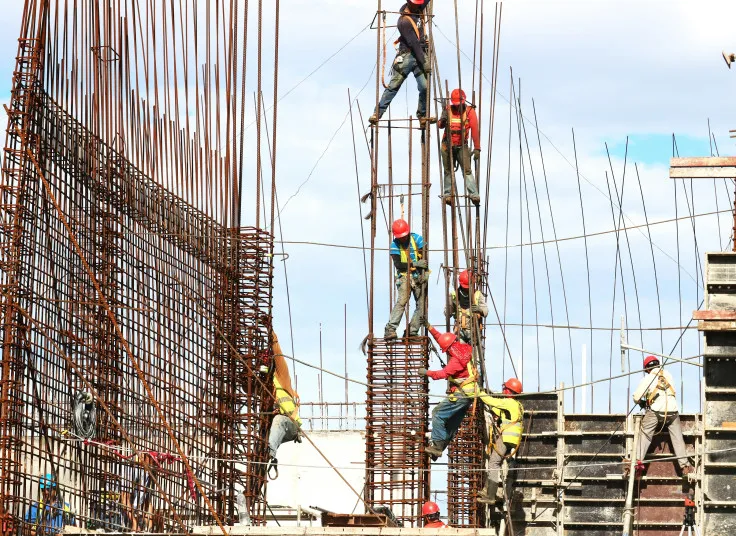

Construction leaders across South Texas warn that intensified immigration enforcement is driving workers away from job sites and into the shadows, slowing projects and potentially pushing housing costs higher, according to reporting by The Texas Tribune.
Mario Guerrero, executive director of the South Texas Builders Association, said fear spread rapidly after videos circulated this fall showing Immigration and Customs Enforcement agents detaining workers at construction sites in the Rio Grande Valley.
Since President Donald Trump took office, ICE has arrested more than 9,100 people in South Texas—nearly one-fifth of all such arrests statewide—based on ICE data obtained through a public records request and reported by The Texas Tribune.
Guerrero said many workers are now staying home, including those with legal authorization, leaving contractors struggling to staff projects. “Our people are hurting, our businesses are hurting. There’s no labor,” he said in a video posted to the association’s Facebook page, urging local officials to address the issue.
Data from the Federal Reserve Bank of Dallas show construction employment in the region fell by about 5% in the third quarter, the steepest decline among major sectors. Builders and suppliers say the slowdown is rippling outward. Ronnie Cavazos, the association’s board president, told a November meeting of industry leaders that business is “down significantly” and warned that continued raids could force some companies to shut down.
Workers report sharp income losses as well. A 42-year-old construction worker who asked to be identified only as Jesus said he now earns about 60% less than before the raids began. “We’re afraid to go out into the street,” he said. “The government controls these things.”
Economists say the trend is familiar. Research on the Obama-era Secure Communities program found that deportations reduced construction labor by 2% to 3% nationwide and cut new home construction by nearly 6%, contributing to higher prices. “Given the current pace of deportations, it is reasonable to expect that shortages in construction labor and housing will become more severe,” said Dayin Zhang, an assistant professor at the Wisconsin School of Business.
Similar concerns are surfacing elsewhere. A recent analysis cited by CNBC found that in California—where more than 60% of construction workers are foreign-born and roughly a quarter are undocumented—continued removals could significantly slow building activity and shave billions from the state’s economy.