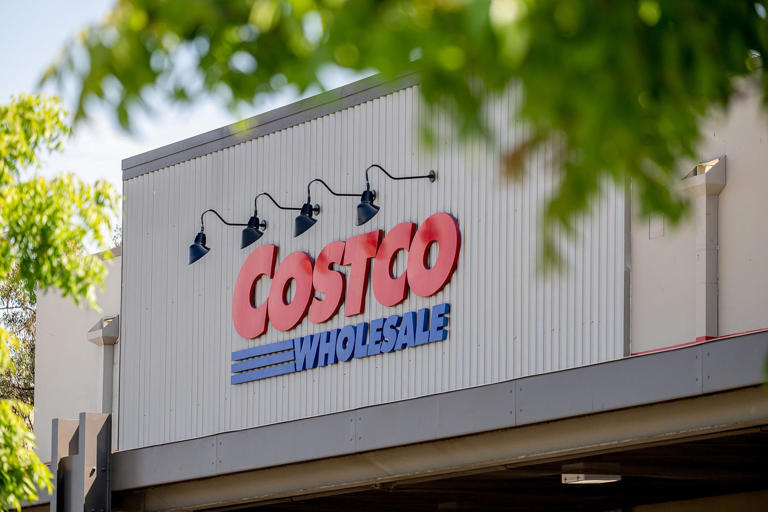

Costco Wholesale has filed a lawsuit against the Trump administration in the U.S. Court of International Trade, arguing that all tariffs collected under the International Emergency Economic Powers Act (IEEPA) are unlawful.
In its Nov. 28 filing, the retailer says it is seeking a “full refund” of all IEEPA duties it paid as a result of former President Donald Trump’s executive order imposing what he described as “reciprocal” tariffs.
“Because IEEPA does not clearly authorize the President to set tariffs… the Challenged Tariff Orders cannot stand and the defendants are not authorized to implement and collect them,” Costco’s attorney states in the complaint.
The lawsuit comes as the Supreme Court is already weighing the broader legality of Trump’s tariff program. During oral arguments in early November, several justices sounded doubtful about the government’s position, pressing U.S. Solicitor General D. John Sauer with pointed questions. While skepticism came from both conservative and liberal justices, some conservatives appeared more open to his defense of the policy.
Trump was the first president to invoke IEEPA as a tool to impose import duties. Lower courts previously ruled against the administration’s interpretation of the law but allowed the tariffs to remain in effect while appeals moved forward.
Costco’s filing does not specify how much it has paid in duties under the tariffs. Overall, importers have paid nearly $90 billion under IEEPA-based tariffs through late September, according to U.S. Customs and Border Protection data.
On a May earnings call, Costco chief financial officer Gary Millerchip told investors that roughly one-third of the company’s U.S. sales come from imported goods, and that products imported from China account for about 8% of its total U.S. sales.
Millerchip said tariffs had a direct impact on some imported fresh foods from Central and South America, but the company chose not to raise prices on certain staples “because they are key staple items” for customers. He cited items such as pineapples and bananas, explaining that “we essentially held the price on those to make sure that we’re protecting the member.”
By September, Millerchip told analysts that Costco was “continu[ing] to work closely with our suppliers to find ways to mitigate the impact of tariffs, including moving the country of production where it makes sense and consolidating our buying efforts globally to lower the cost of goods across all our markets.”
Through the end of October, the U.S. government had collected a total of $205 billion in tariffs.
With its new lawsuit, Costco joins a growing list of major companies seeking refunds in court. Global cosmetics brand Revlon, eyeglass maker EssilorLuxottica, motorcycle manufacturer Kawasaki, canned food company Bumble Bee, Japanese auto parts supplier Yokohama Tire and numerous smaller firms have all filed similar legal challenges.