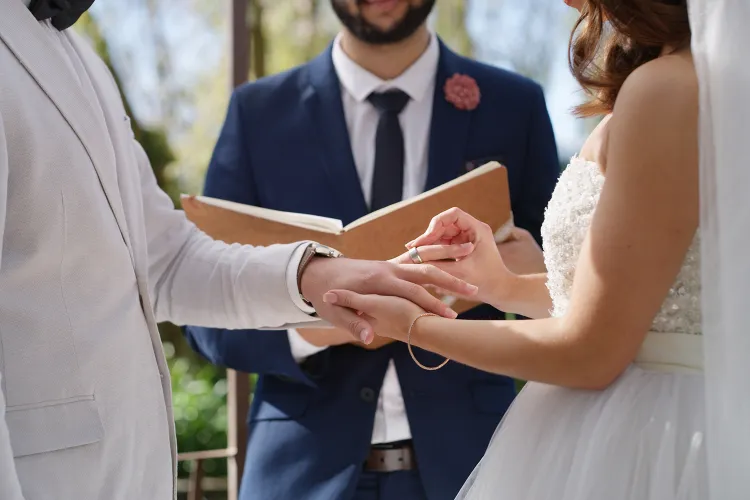

A wedding ceremony in the Netherlands is being retroactively removed from the official record after a judge ruled that the couple’s vows didn’t meet the country’s legal requirements — because the officiant relied on a speech generated by ChatGPT.
The ceremony took place on April 19, 2025. But in a Jan. 5 court decision, a court in Zwolle determined that the words spoken during the civil ceremony failed to include a legally required declaration of consent. As a result, the marriage will be removed from the Zwolle city registry, according to Reuters.
“The court understands that the date in the marriage deed is important to the man and woman, but cannot ignore what the law says,” the judge said in the ruling.
Dutch law requires that both parties explicitly consent to marriage in front of a civil registrar and witnesses by stating two things: that they accept one another as spouses, and that they will faithfully fulfill the duties connected to marriage under the law.
In this case, the judge found that the couple never made that required commitment during the ceremony, Reuters reported.
:max_bytes(150000):strip_icc():focal(796x209:798x211):format(webp)/groom-reading-vows-wedding-081525-ef80360472cb4cc7bbd86fa04d1c3294.jpg)
The couple, based in Zwolle, had wanted a more informal civil wedding and asked a friend to officiate. That friend reportedly used ChatGPT to draft more personal vows, according to Gulf News. However, the generated wording did not include the specific legal language required for a valid marriage declaration.
Instead, the ceremony focused on casual and affectionate promises. The officiant asked whether the couple would keep “supporting each other, teasing each other and embracing each other, even when life gets difficult,” and even described them as “a crazy couple,” according to vows quoted by the court.
After the ruling, the couple asked the court to preserve their original wedding date as their legal marriage date, arguing that they fully intended to marry and that the date carried emotional weight. But the court declined, concluding the vows did not satisfy statutory requirements.
The ruling stated that the ceremony’s wording meant the marriage certificate had been recorded incorrectly in the civil registry: “This means that the marriage certificate was erroneously recorded in the civil registry.”