
In recent weeks, several Republican lawmakers who have taken bold, high-profile stands—directly opposing key figures or core policies within their party—are facing steadily intensifying opposition, both from party leadership and constituents alike.
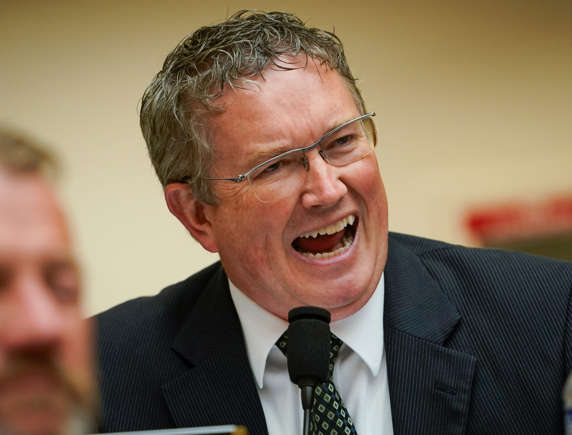
Rep. Thomas Massie (R-Kentucky): Locked in a Political Crossfire
Rep. Thomas Massie, a long-serving libertarian-leaning Congressman, has emerged as a notable thorn in the side of Trump-aligned GOP leadership. His vocal condemnation of President Trump’s decision to conduct airstrikes on Iran without congressional consent—and his open criticism of the administration’s sweeping tax and immigration legislation—have prompted a fierce response from MAGA-aligned operatives. Trump’s acolytes have initiated efforts to unseat Massie through a 2026 primary challenge, with a super PAC already mobilized to support his primary opponent. Yet Massie remains undeterred, leaning on his constitutional message and grassroots support, with Senator Rand Paul publicly rallying behind him in defiance of party leadership.
House Republicans in Revolt: Budget Turmoil Shakes Party Unity
Inside the House, unrest is swelling among conservative Republicans. A fierce internal revolt has erupted over a Senate-approved budget proposal that includes as much as $2 trillion in spending cuts. Despite intense lobbying from House Speaker Mike Johnson and Trump himself, dozens of GOP lawmakers—such as Reps. Chip Roy and Andy Harris—have publicly wavered or outright opposed the framework. This resistance signals a major challenge to the party’s cohesiveness, throwing key legislative strategies into jeopardy. Meanwhile, in Nebraska, Rep. Mike Flood faced a hostile crowd during a town hall where he defended unpopular Medicaid and tax provision cuts in the president’s signature bill—highlighting the growing discomfort among voters in traditionally GOP districts.
A Broader Picture of GOP Fractures
These incidents represent more than isolated flashpoints—they underscore a wider fissure within the Republican Party, where ideological purity, personal conviction, and electoral pragmatism often clash. The fallout from defying party orthodoxy is increasingly tangible, whether through primary challenges, organized funders, or constituent ire. For some lawmakers, like Massie, the repercussions are a test of resolve; for others, like Flood, they are a stark reminder of the shifting sentiments of the electorate.
As the 2026 midterm elections approach, the fate of these defiant Republicans may well become a bellwether for the party’s future direction and its capacity to manage internal dissent.