
President Donald Trump is facing sharp backlash from Democrats after he demanded the arrest of several Democratic lawmakers he labeled “seditious” for releasing a video that urged military and intelligence personnel to refuse unlawful commands. In a social media post, Trump said the lawmakers’ actions were “punishable by death.”
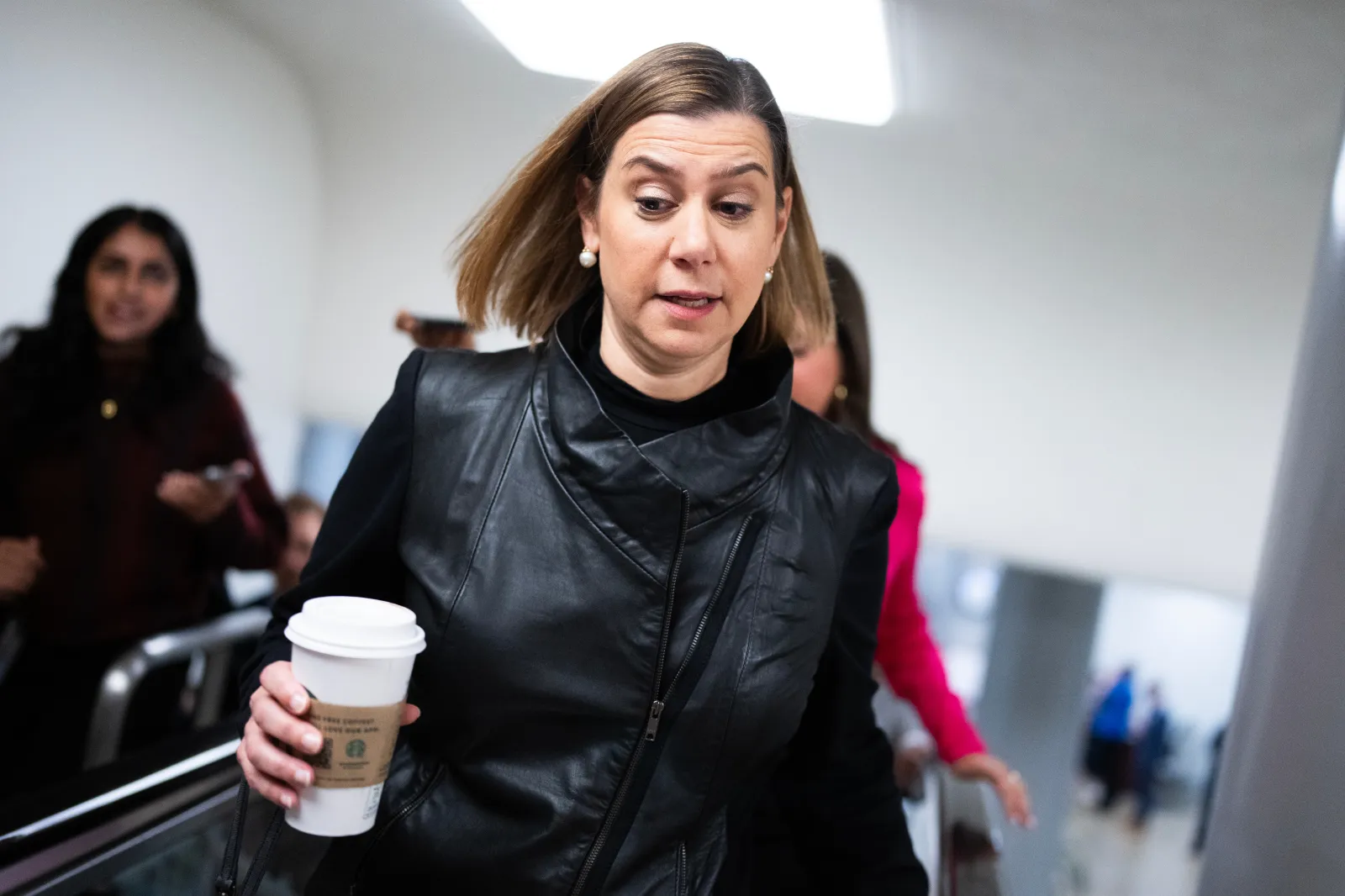
The lawmakers—Sen. Elissa Slotkin of Michigan, Sen. Mark Kelly of Arizona, Reps. Chris Deluzio and Chrissy Houlahan of Pennsylvania, Rep. Maggie Goodlander of New Hampshire, and Rep. Jason Crow of Colorado—are all veterans or former national security officials. Their 90-second video called on service members to follow the Constitution and decline “illegal orders,” arguing that the oath to the country comes before politics.
In a joint response, the group said Trump’s comments would not intimidate them. They described themselves as “veterans and national security professionals” who swore to defend the Constitution for life and insisted that “no threat, intimidation, or call for violence” would stop them from restating the law and supporting troops who follow only lawful orders.
They added that the controversy was bigger than any one politician or party, calling on Americans to condemn political violence and reject threats against elected officials. The statement closed with a rallying cry: “Don’t Give Up the Ship!”
Why the clash erupted
The lawmakers’ video came amid disputes over recent military activity, including strikes on suspected drug-smuggling vessels in the Caribbean and Pacific, and domestic operations tied to immigration enforcement. In the video, they warned that the administration was putting uniformed personnel at odds with civilians and stressed that U.S. law allows—and requires—service members to disobey clearly illegal orders.
Defense Secretary Pete Hegseth and other Trump allies condemned the video, arguing it encouraged insubordination and could endanger national security. Trump went further, describing the message as rebellion against the government.
Legal and military experts note that “sedition” is a serious charge but is not ordinarily associated with the death penalty, and that troops are expected to obey orders presumed lawful—while also being obligated to refuse orders that are manifestly illegal. The gray area, experts say, is that refusing orders later judged lawful can still bring penalties under military law.
Democrats warn of escalating threats
Top Democratic leaders in the House accused Trump of stoking violence and endangering members of Congress. They pointed to his role in the January 6, 2021, Capitol attack and said his current rhetoric fits a long pattern of inflammatory language. They also said they were coordinating with Capitol security to protect the targeted lawmakers and their families.
White House press secretary Karoline Leavitt later said Trump was not literally calling for the lawmakers’ execution. She argued that urging troops to defy the chain of command could put lives at risk, and insisted that orders from the commander in chief are lawful.
What people are saying
The conflict prompted a flood of reactions across the political spectrum. California Gov. Gavin Newsom wrote that Trump had called for the deaths of Democratic lawmakers. Sen. Chris Murphy urged Republicans to take a clear stand against the president’s language. Meanwhile, several Republican senators argued the Democrats’ video was itself extreme or destabilizing.
What happens next
It remains unclear whether any criminal case could—or would—be pursued against the lawmakers. For now, the episode has intensified a broader national debate about civil-military norms, constitutional boundaries, and the rising temperature of American politics.