
Department of Justice prosecutors across the United States have encountered a series of setbacks in criminal cases accusing individuals of “assaulting” or “impeding” federal officers.
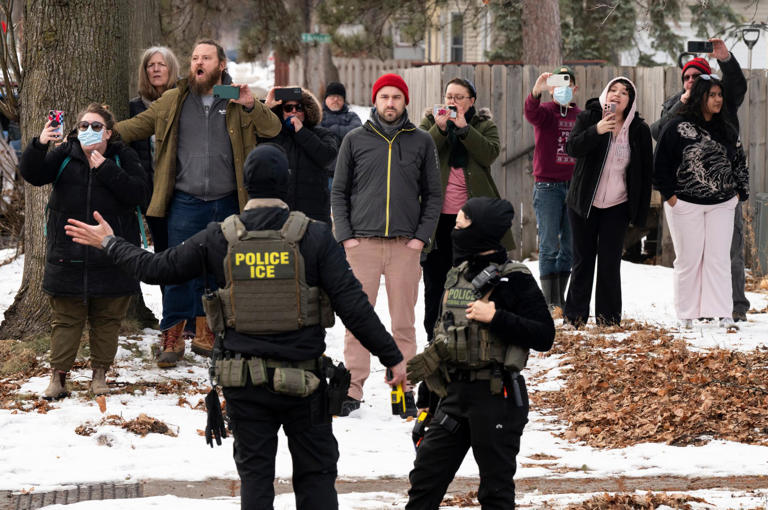
In recent months, federal authorities have pursued numerous prosecutions involving protesters, government critics, immigrants, and others arrested during immigration enforcement operations. Many defendants were accused of physically attacking officers or interfering with official duties.
However, a growing number of these cases have been dismissed or have resulted in not guilty verdicts.
Several high-profile prosecutions unraveled after courts examined statements from Department of Homeland Security (DHS) officers that lacked supporting evidence or were contradicted by video footage. In some instances, recordings appeared to directly conflict with officers’ sworn accounts.
Criminal defense attorneys say the volume and nature of the charges are unusual. While minor confrontations with law enforcement are common, lawyers note that federal prosecutors traditionally focus on more serious offenses. They also describe the repeated courtroom defeats across multiple jurisdictions as rare.
Despite dismissals, defendants often faced significant consequences. Many had booking photos publicly circulated, while others spent weeks or months in custody awaiting resolution.
Minneapolis Case Dismissed
One recent example emerged in Minneapolis, where prosecutors dropped felony assault charges against two Venezuelan men accused of attacking an Immigration and Customs Enforcement (ICE) officer during a January incident.
Following the arrests, DHS officials described the men as violent offenders and alleged they had assaulted an officer with household objects. One individual was shot in the leg during the encounter.
But prosecutors later moved to dismiss the charges “with prejudice,” citing newly discovered evidence that was “materially inconsistent” with the allegations. Such dismissals prevent the government from re-filing the case.
ICE leadership subsequently confirmed that an internal investigation had been opened after videos raised concerns that officers may have provided inaccurate testimony — an uncommon acknowledgment.
Defense attorneys involved in the case argued that early official narratives often framed defendants as aggressors before full evidence was reviewed. They also emphasized the lasting reputational harm caused by initial accusations.
Legal experts say the influx of similar prosecutions has strained federal court resources, potentially diverting attention from complex criminal matters.
Broader Legal Challenges
Comparable outcomes have surfaced elsewhere.
In Chicago, most arrests tied to allegations of assaulting or impeding federal officers have not resulted in convictions. In Los Angeles, federal public defenders have secured acquittals in multiple protest-related trials — a notable departure from typical federal conviction patterns.
Nationally, acquittals in federal criminal trials remain rare, with prosecutors historically maintaining high success rates.
Juries have also issued not guilty verdicts in cases involving protest-related charges in cities including Seattle, Louisville, and Washington, DC.
Disputed Testimony
Defense lawyers have frequently cited discrepancies between officer testimony and video evidence.
In Los Angeles, one defendant spent several months in jail before a judge dismissed his case with prejudice. Court proceedings highlighted inconsistencies in the government’s account, as well as credibility concerns involving officer disclosures.
Attorneys argue that some prosecutions continued even after evidence cast doubt on initial allegations, raising broader questions about charging decisions.
Government Response
Justice Department officials maintain that they will aggressively pursue cases involving threats or violence against federal officers.
In a statement, a DOJ spokesperson said the department would “continue to seek the most serious available charges against any individual who puts federal agents in harm’s way.”
Officials also emphasized that violence against law enforcement would not be tolerated.
Meanwhile, defense attorneys contend that prolonged prosecutions, even when dismissed, can have chilling effects on constitutionally protected activity.