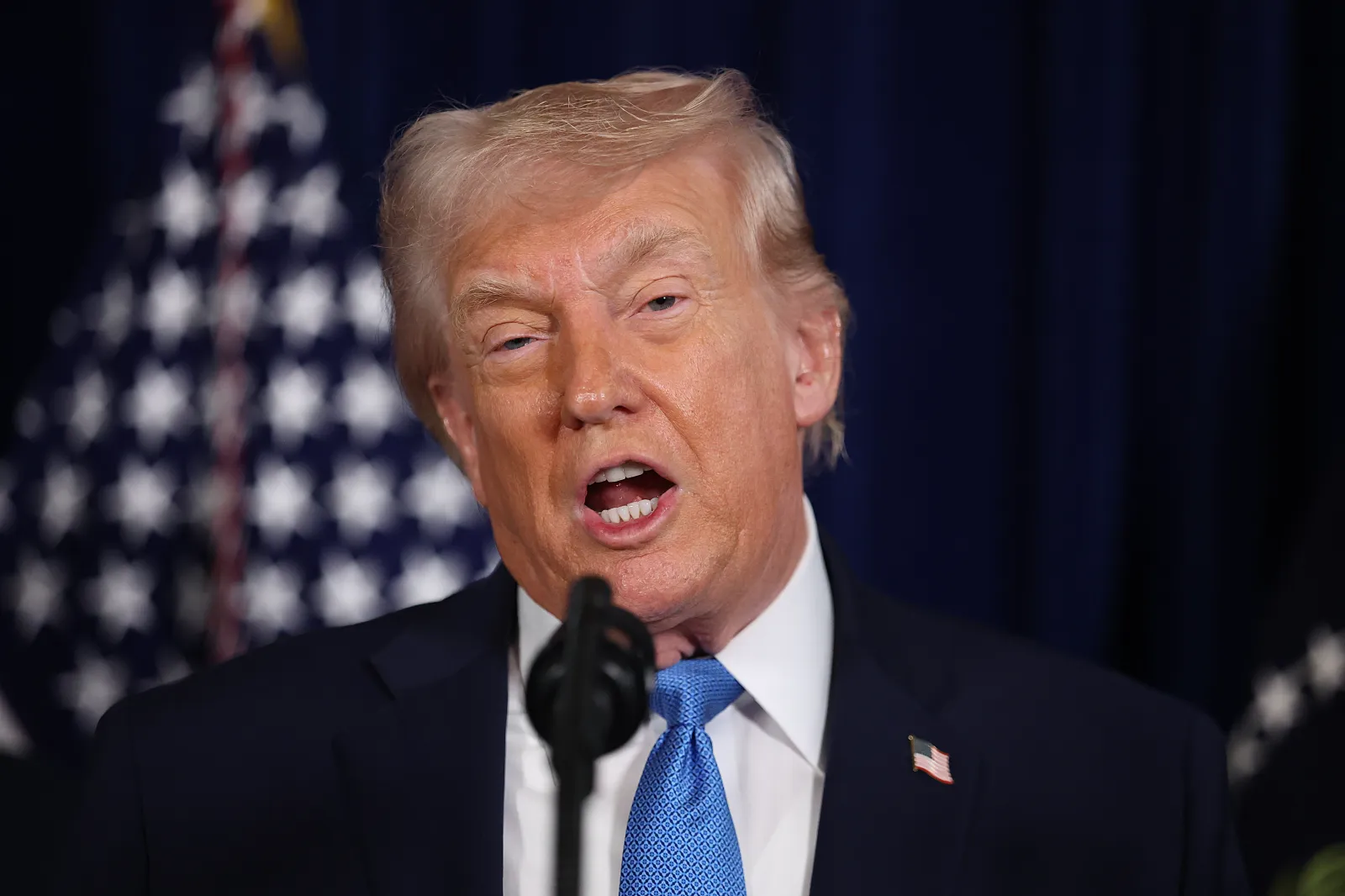

President Donald Trump has called for a one-year federal cap of 10 percent on credit card interest rates, arguing that Americans are being “ripped off” by lenders charging far higher borrowing costs.
Why It Matters
Credit cards are a cornerstone of everyday spending for millions of Americans. The Federal Reserve Bank of New York reported in March 2025 that 74 percent of Americans have at least one credit card, and that credit cards make up 70 percent of retail spending.
Meanwhile, the Federal Reserve Bank of St. Louis reports that average credit card rates are above 20 percent, meaning a federally enforced 10 percent cap would represent a major drop in borrowing costs—at least temporarily.
What to Know
In a post on Truth Social, Trump wrote that credit card companies have been charging “20 to 30 percent, and even more,” and said his administration would no longer allow the public to be “ripped off.”
He added: “AFFORDABILITY!” and said he is calling for a one-year cap on credit card interest rates of 10%, effective January 20, 2026.
Trump did not specify how he would implement the proposal, including whether he intends to pursue legislation or attempt executive action. The White House was contacted for comment via email outside regular working hours.
Growing Bipartisan Interest in Rate Caps
Interest-rate limits have drawn attention from lawmakers across party lines. In the Senate, Bernie Sanders and Josh Hawley have previously introduced bipartisan legislation to cap credit card interest rates at 10 percent for five years, requiring issuers to comply as part of broader consumer relief measures.
In the House, Alexandria Ocasio-Cortez and Anna Paulina Luna have also proposed legislation calling for a 10 percent cap on credit card interest rates.
Trump has floated a similar idea before, including during the 2024 campaign when he proposed a temporary 10 percent cap. Shortly before Trump’s latest post, Sanders criticized him on X for not following through on that earlier pledge.
Pushback From Banks and Industry Groups
The proposal has drawn criticism from the banking sector, with industry leaders warning that a strict cap could lead lenders to tighten approvals and reduce access to credit—especially for borrowers with lower credit scores.
In a joint statement, the Bank Policy Institute, American Bankers Association, Consumer Bankers Association, Financial Services Forum, and Independent Community Bankers of America said they share the goal of making credit more affordable, but warned that a 10 percent cap could “reduce credit availability” and harm families and small business owners who rely on credit cards.
Hedge fund manager Bill Ackman wrote on X that lenders need to charge rates that cover losses and provide a reasonable return. He argued that if rates are capped too low, lenders may cancel cards for millions of consumers, potentially pushing some borrowers toward higher-cost, riskier alternatives. Ackman said that boosting innovation and competition—along with regulatory changes to enable new entrants—would be a better path to lowering rates.
Related Policy Context
The Trump administration last year scrapped a proposed $8 cap on credit card late fees that had been introduced under the Biden administration. At the time, the Consumer Financial Protection Bureau estimated the rule could save families more than $10 billion per year by reducing average late fees to around $32.
What Happens Next
Trump says he wants the 10 percent cap in place by January 20. Whether it becomes policy—and by what mechanism—remains unclear.