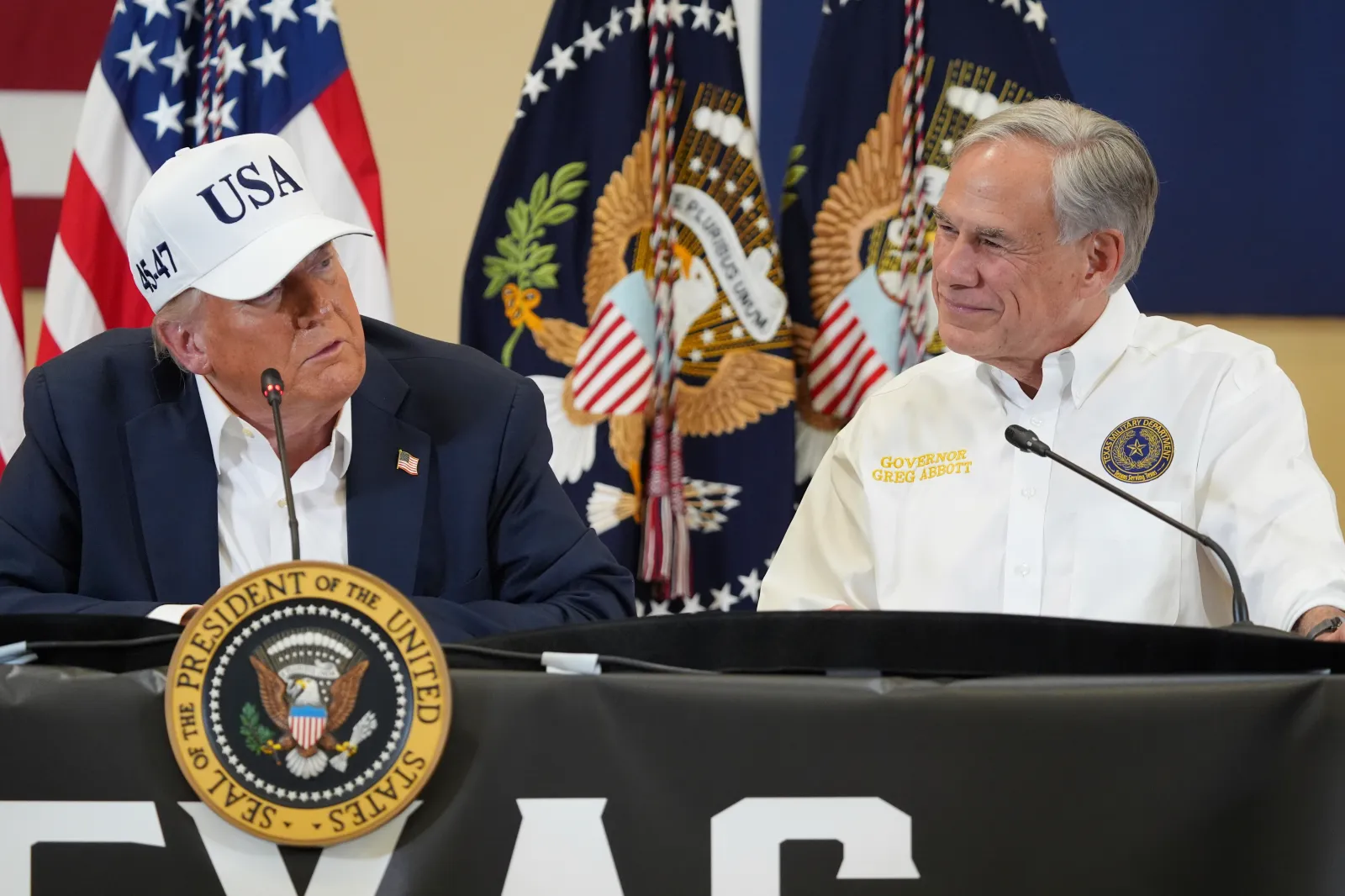

The U.S. Supreme Court on Thursday allowed Texas to proceed with its newly drawn congressional map for next year’s elections, handing a major win to state Republicans and former President Donald Trump even as a lower court concluded the plan was likely crafted to weaken the voting power of Black and Latino residents.
In an unsigned order issued in response to an emergency appeal, the justices put on hold a 2–1 lower-court ruling that had blocked the map. Texas officials had pressed the Court to act quickly, stressing that candidate filing for the March primaries was already underway.
Why the Ruling Is Significant
Because of the Supreme Court’s intervention, Texas voters will cast ballots under the challenged map in the upcoming election cycle unless the justices later change course. That reality could carry substantial consequences for the battle over control of the U.S. House of Representatives.
The decision fits a pattern: in recent years, the Court has frequently stepped in to pause lower-court rulings on redistricting disputes when election deadlines are close, including in cases out of Alabama and Louisiana.
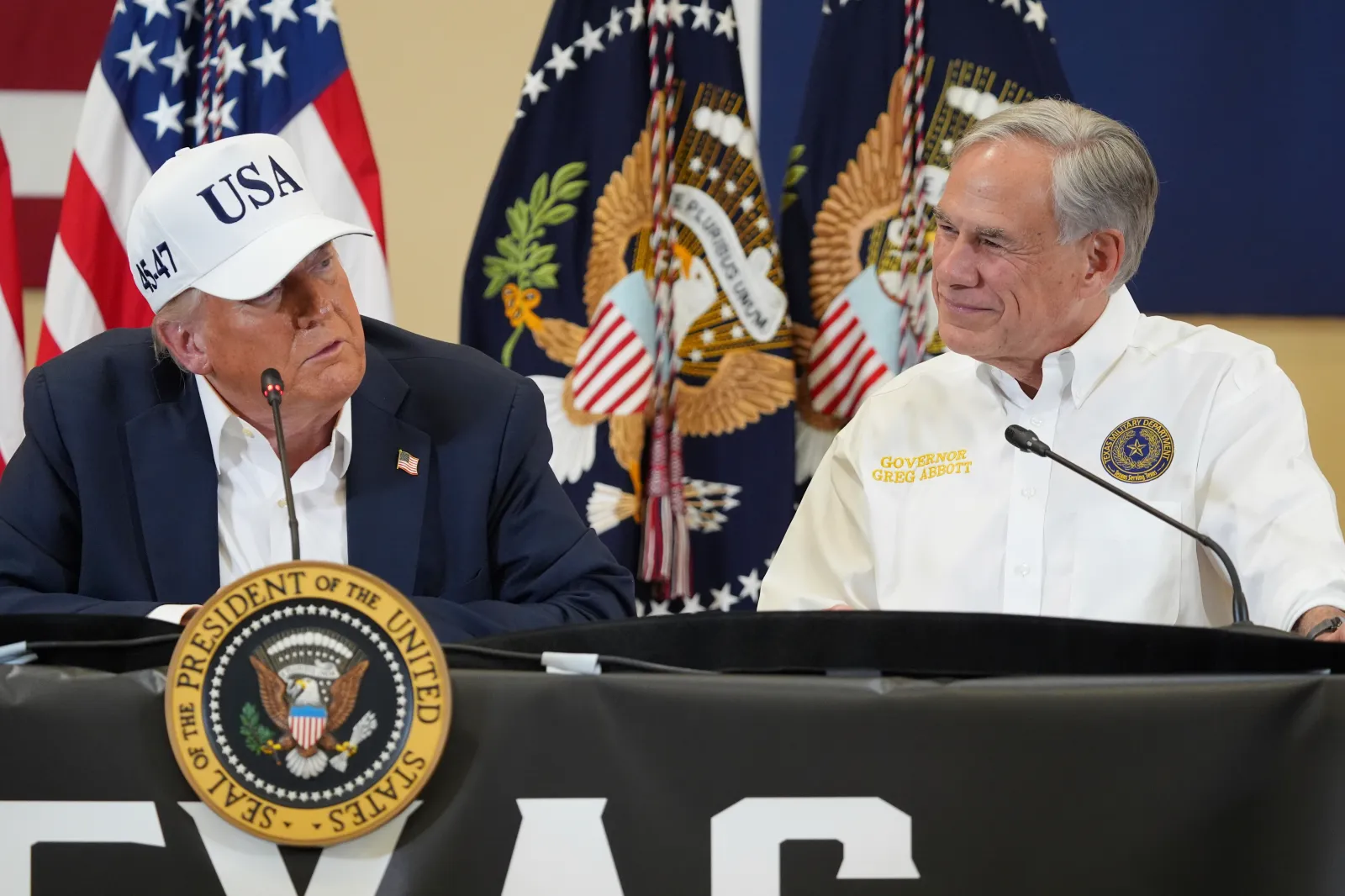
The Texas map, adopted last summer at Trump’s urging, was engineered to give Republicans five additional House seats and has become a central flashpoint in a nationwide struggle over political boundaries ahead of the 2026 elections.
Texas was the first to answer Trump’s call for aggressive partisan remapping, and several states quickly followed. North Carolina and Missouri approved maps expected to gain Republicans an extra seat each, while California voters backed a ballot initiative projected to deliver Democrats five new seats. All of those maps, like Texas’s, face legal challenges.
A three-judge panel has permitted North Carolina to use its new districts in 2026, while litigation continues in California and Missouri. The Trump administration is suing to block California’s changes but asked the Supreme Court to keep Texas’s map in place while appeals move forward.
Ongoing Legal Battles Over Race and Redistricting
The justices are also weighing a separate case from Louisiana that could further restrict how race may be considered under Section 2 of the Voting Rights Act, a ruling that could influence redistricting fights across the country.
For now, however, the Texas map remains operative despite a forceful opinion from two lower-court judges who said the plan likely violates the Constitution by diluting the voting strength of minority communities.
U.S. District Judges Jeffrey V. Brown and David Guaderrama concluded that state mapmakers engaged in racial gerrymandering when they drew the new districts. Brown, appointed by Trump, acknowledged that partisan politics clearly shaped the process but said “it was much more than just politics,” finding that extensive evidence showed intentional discrimination. Guaderrama, appointed by President Barack Obama, joined the opinion.
Their ruling drew an unusually heated dissent from Judge Jerry Smith, a Reagan appointee on the three-judge panel. Smith accused Brown of “pernicious judicial misbehavior” for issuing the decision before, in his view, sufficient deliberation had taken place.
On the substance, Smith blasted the majority’s conclusions as so unfounded that they “would be a candidate for the Nobel Prize for Fiction.” He argued that “the main winners” from blocking the map would be liberal donor George Soros and California Governor Gavin Newsom, while “the obvious losers are the People of Texas and the Rule of Law.”
Reaction From Officials and Legal Experts
Texas Attorney General Ken Paxton hailed the Supreme Court’s move, saying the order “defended Texas’s fundamental right to draw a map that ensures we are represented by Republicans.” He added: “Texas is paving the way as we take our country back, district by district, state by state. This map reflects the political climate of our state and is a massive win for Texas and every conservative who is tired of watching the left try to upend the political system with bogus lawsuits.”
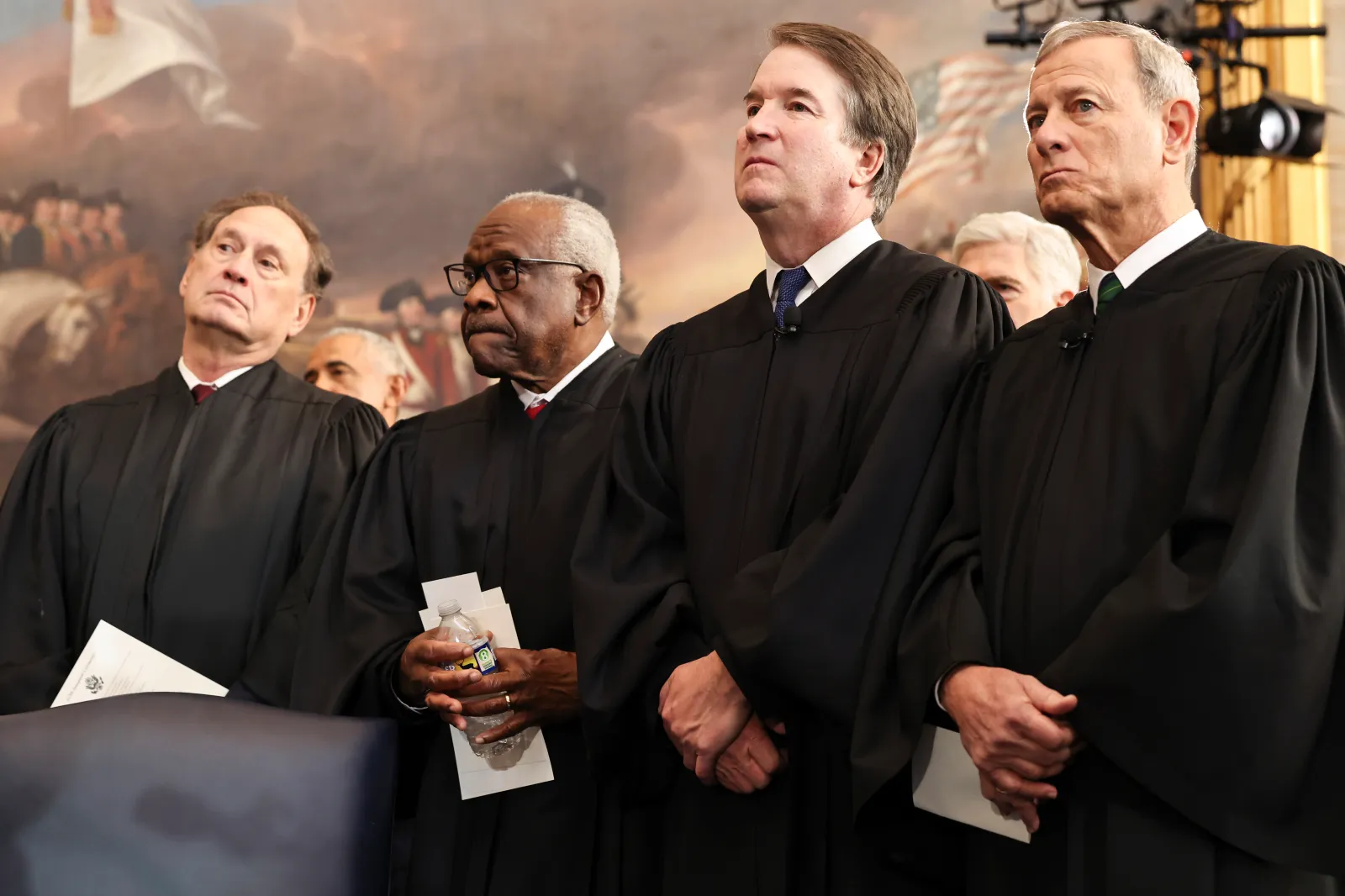
Justice Elena Kagan, joined by the Court’s three liberal justices, dissented from the decision to intervene at this stage. Stepping in now, she wrote, “ensures that many Texas citizens, for no good reason, will be placed in electoral districts because of their race. And that result, as this Court has pronounced year in and year out, is a violation of the Constitution.”
Democratic National Committee Chair Ken Martin sharply criticized the order, saying in a statement: “Today’s decision by the Supreme Court to allow Texas Republicans’ rigged, racially gerrymandered maps to go into effect is wrong — both morally and legally. Once again, the Supreme Court gave Trump exactly what he wanted: a rigged map to help Republicans avoid accountability in the midterms for turning their backs on the American people. But it will backfire. Texas Democrats fought every step of the way against these unlawful, rigged congressional maps and sparked a national movement. Democrats are fighting back, responding in kind to even the playing field across the country. Republicans are about to be taught one valuable lesson: Don’t mess with Texas voters. The DNC stands committed to building power in Texas, no matter the maps in play, one election at a time.”
Richard Hasen, an election law scholar at the University of California, Los Angeles, wrote on the Election Law Blog that the Court’s move “is a green light for there to be even more re-redistricting, and a strong message to lower courts to butt out.”
What Comes Next
Thursday’s order does not resolve whether the Texas map ultimately passes legal muster. Instead, it temporarily freezes the lower court’s ruling so that the map can be used in the upcoming elections.
The case now returns to the Supreme Court’s regular docket. The justices must decide whether to grant full review with briefing and oral argument later this term or to issue a summary decision based solely on the written filings.
That means the core issue — whether Texas unconstitutionally diluted the electoral power of Black and Latino voters — remains unsettled. The timing is crucial: unless the Court later reverses course, the stay issued now ensures that the GOP-drawn lines will control the 2026 races even as broader redistricting fights continue to play out in courts nationwide.